The observable universe: log scale graphic
Below is a great example of deep-space connection, similar to that which we try to access through processes such as “earth as peppercorn”. Thanks to relativity, the image is also touching on …

deep ecology
practices for awakening and resilience in a changing world
Below is a great example of deep-space connection, similar to that which we try to access through processes such as “earth as peppercorn”. Thanks to relativity, the image is also touching on …
This post displays a visual version of the “Cosmic walk” group process, a journey that spirals through deep time from the birth of the cosmos to the present day. This process is intended to guide …
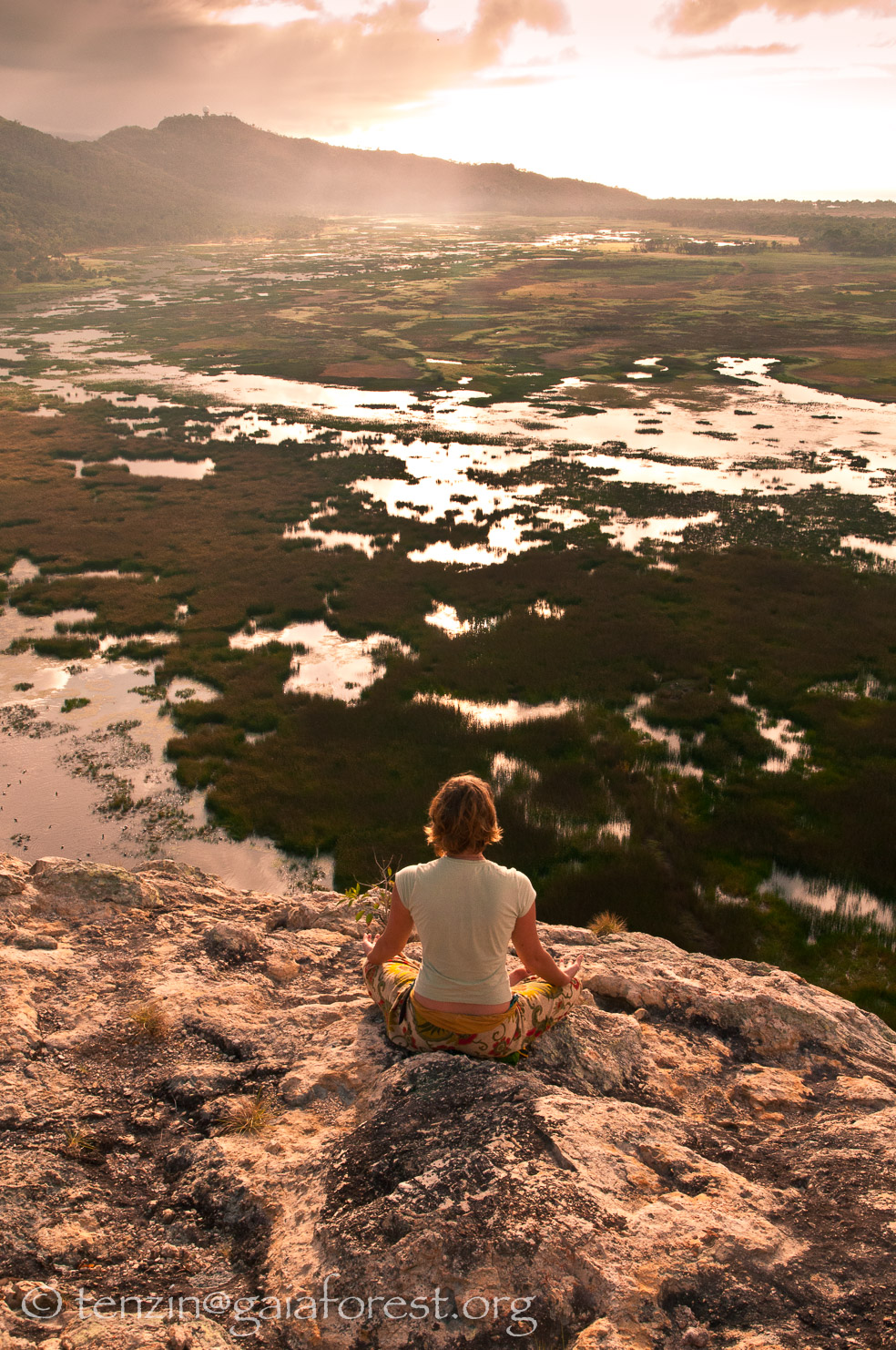
Today The Story of the Universe is being told as our sacred Story. The Flaring Forth continues as this moment, as us, as one. Cosmic Walker says “And this is MY story” Part of the Cosmic Walk …
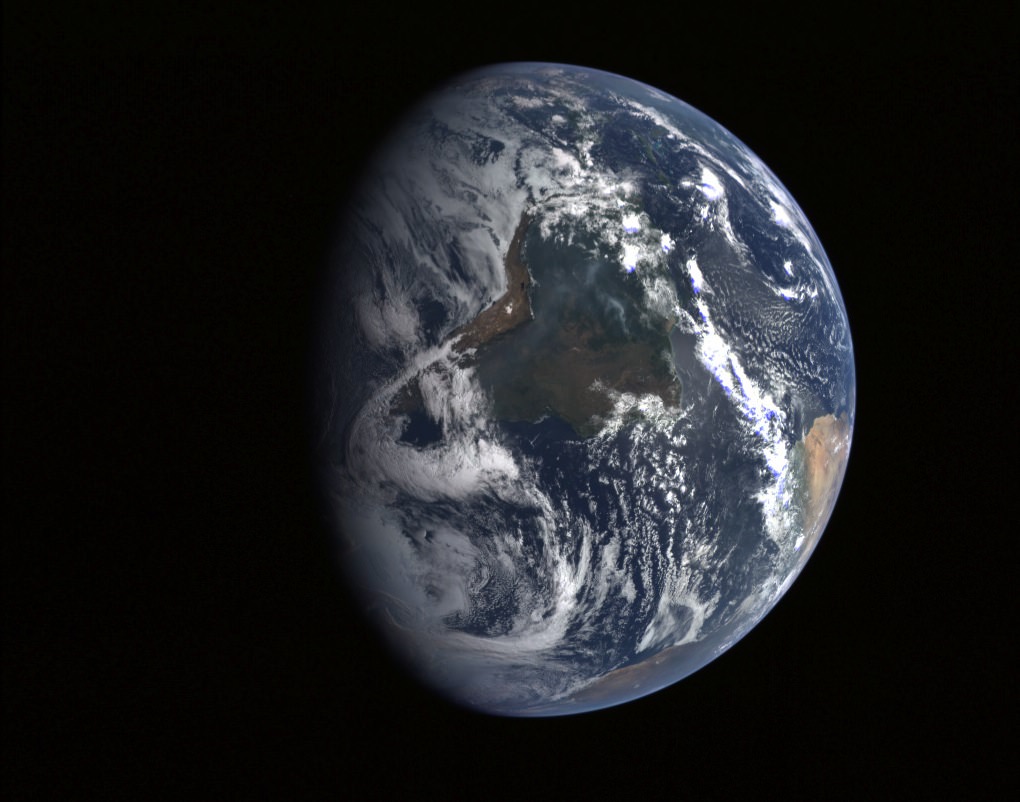
52 years ago Earth is seen as Whole from space. The Earth becomes complex enough to witness her own integral beauty. Part of the Cosmic Walk timeline — a walk through 13.7 billion years of cosmic and …
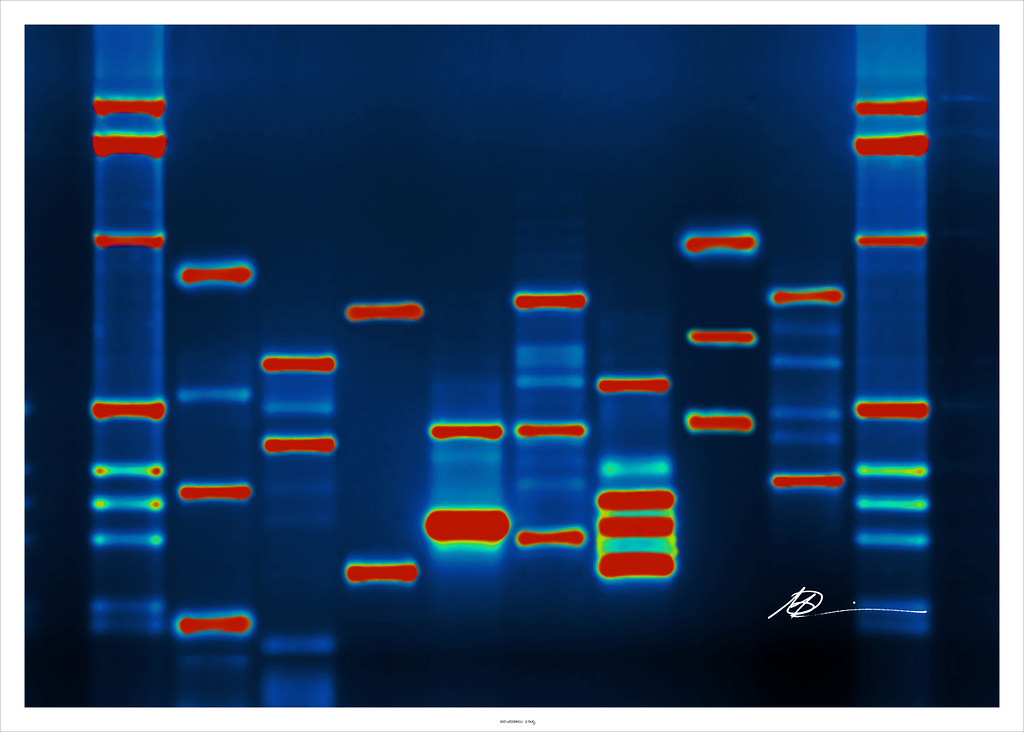
60 years ago, humans discover DNA, life’s common language. Part of the Cosmic Walk timeline — a walk through 13.7 billion years of cosmic and Earth history.
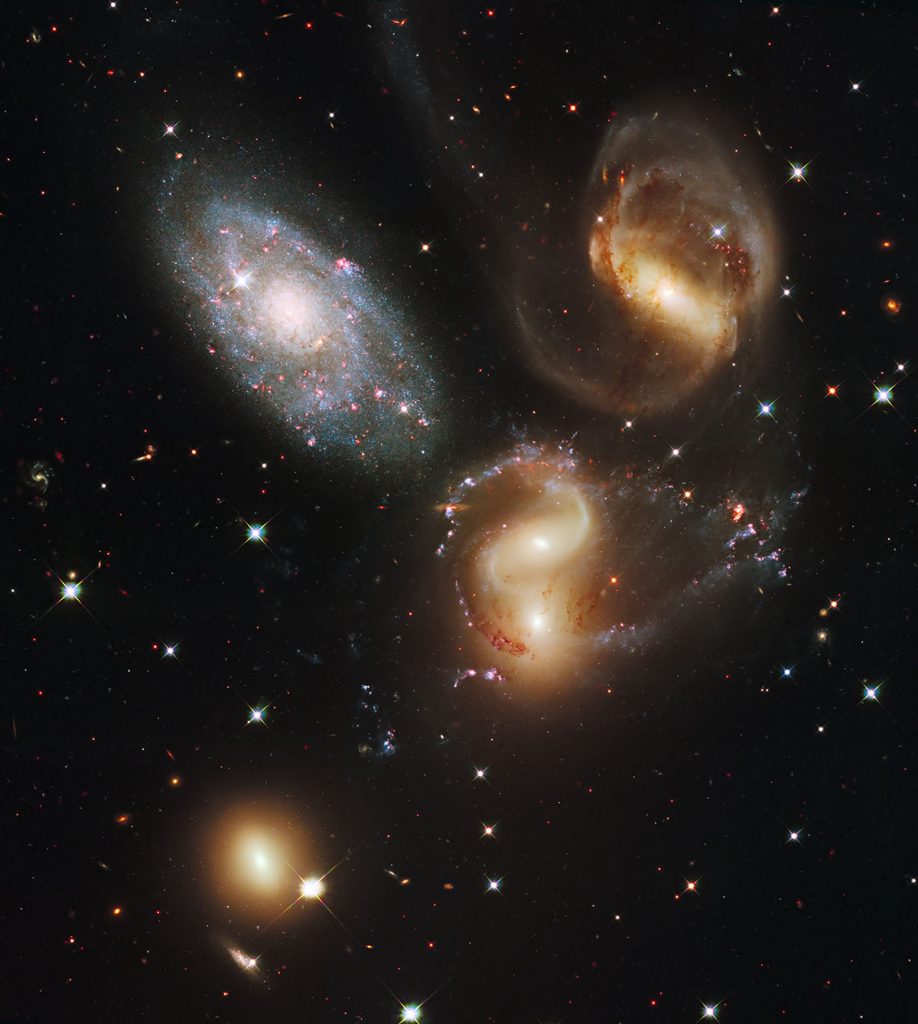
85 years ago, empirical evidence of an Expanding Universe is discovered. For the first time humans are aware they live in a developing universe. Part of the Cosmic Walk timeline — a walk through 13.7 …
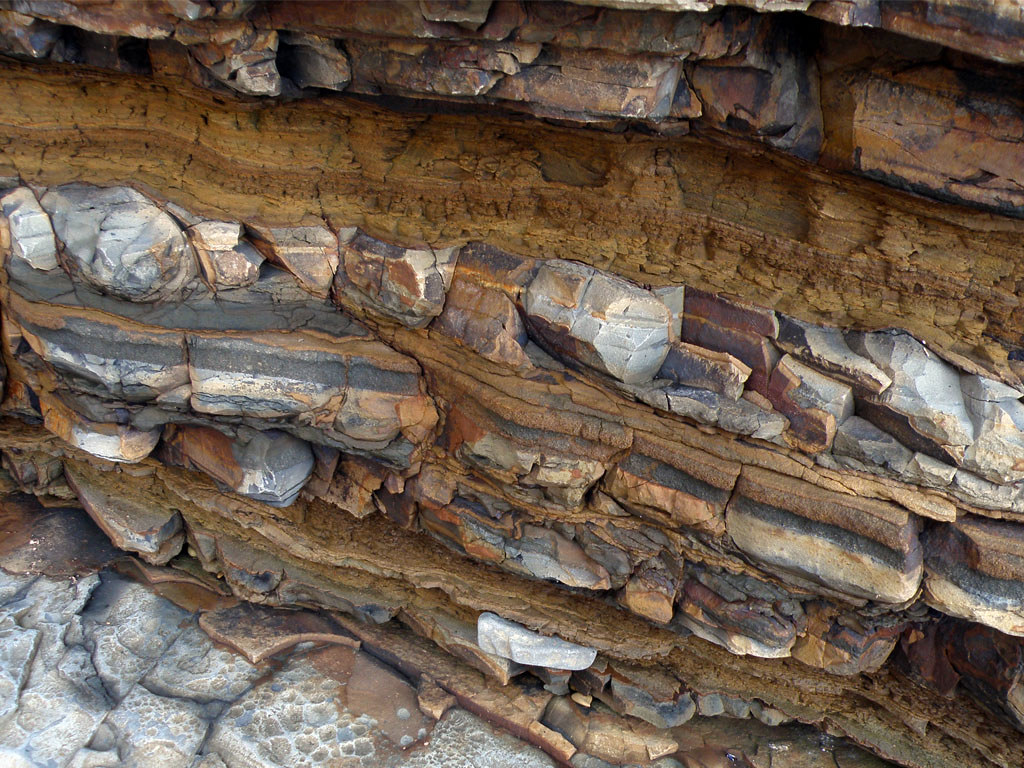
250 years ago, scientists begin to calculate the Age of the Earth. Humans try to understand how old the Earth is through empirical observations. Part of the Cosmic Walk timeline — a walk through 13.7 …
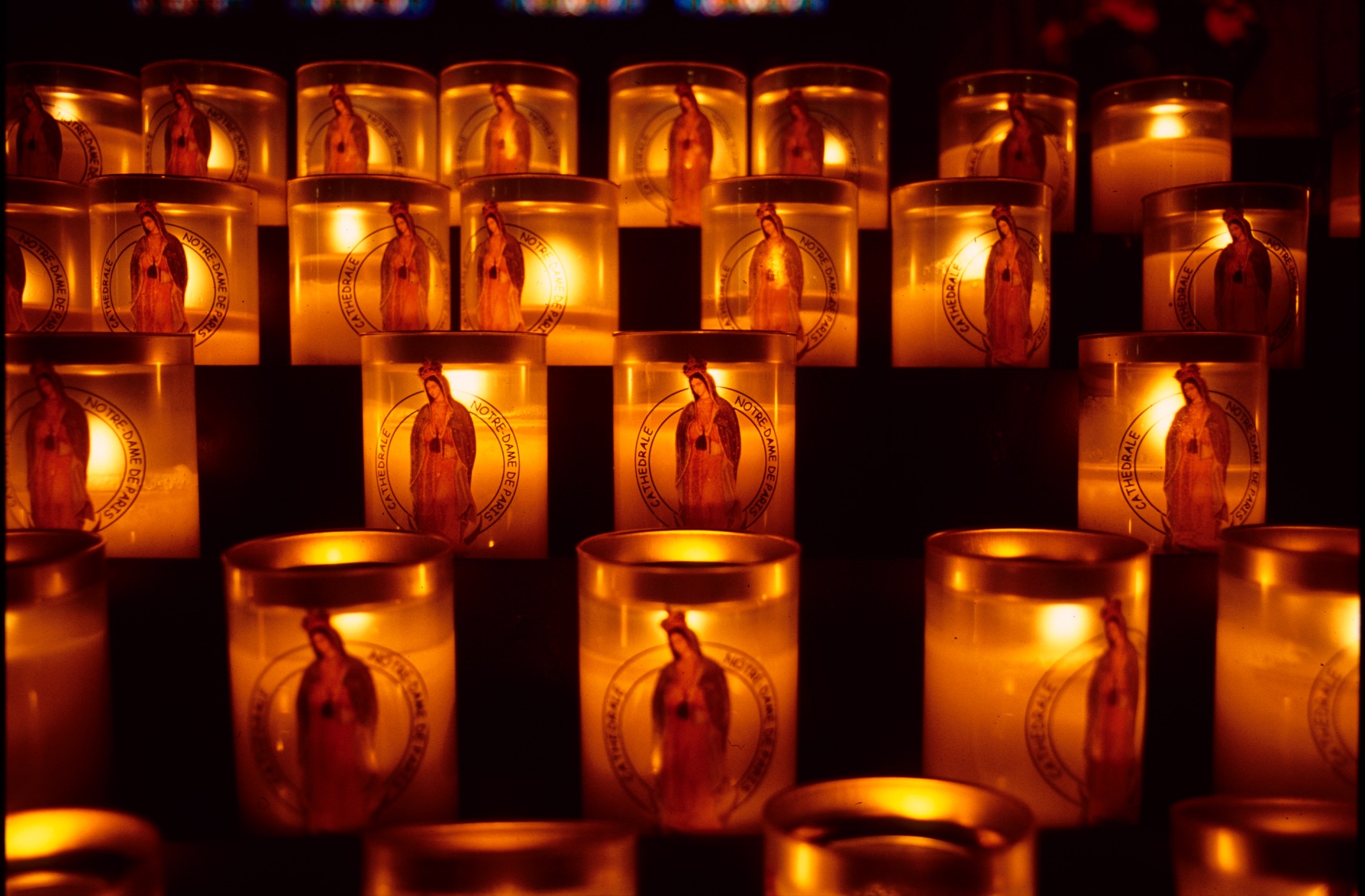
3000 years ago, Classical Religions emerge. Hinduism, Confucianism, Judaism, Buddhism, Christianity, Islam. Each of these traditions holds a story of the creation of the cosmos and The Earth, which …
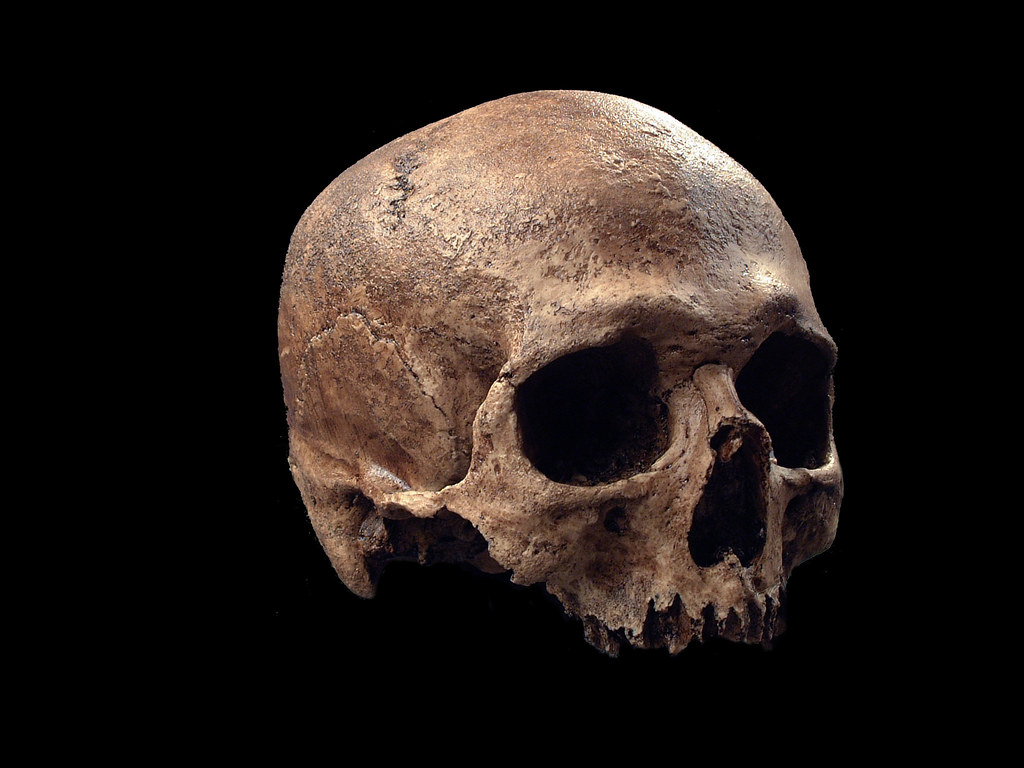
100 thousand years ago, Modern Humans emerge. Language, shamanic and goddess religions, and art become integral with human life. Part of the Cosmic Walk timeline — a walk through 13.7 billion years …
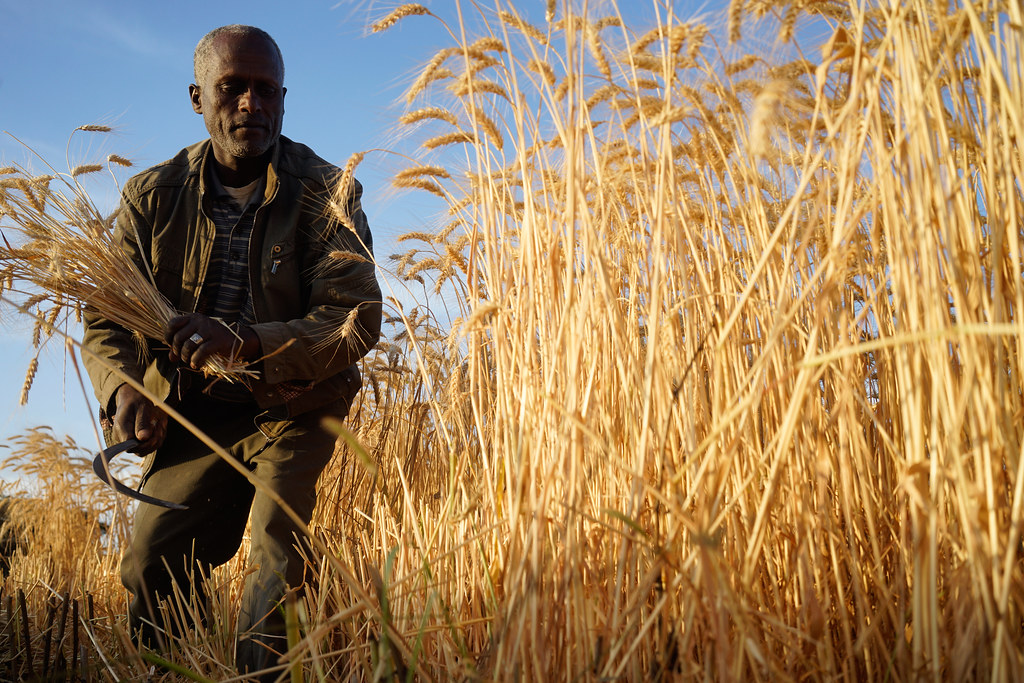
11000 years ago, Agriculture is invented. Humans begin to shape the environment. First thought to have arisen in the “Fertile Crescent” between the Tigris and Euphrates rivers in modern day Iraq. …
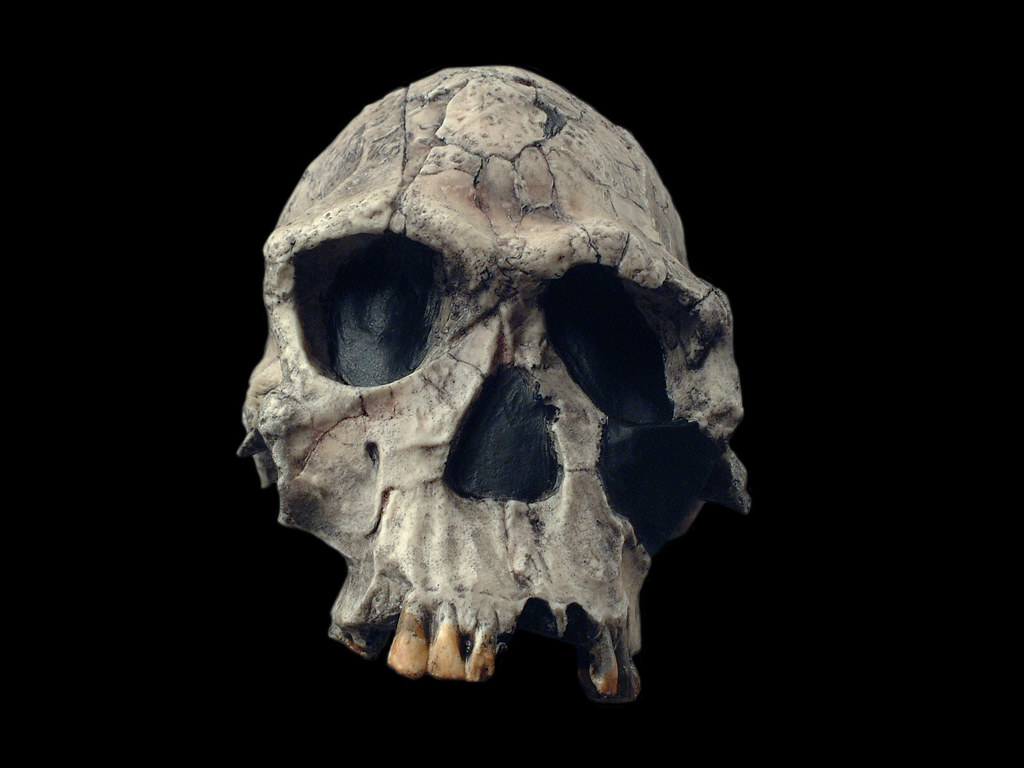
4 million years ago, Hominids leave the forest, stand up, and walk on two legs. The savannah offers the challenges and opportunities for these early creatures to evolve into humans. Part of the …
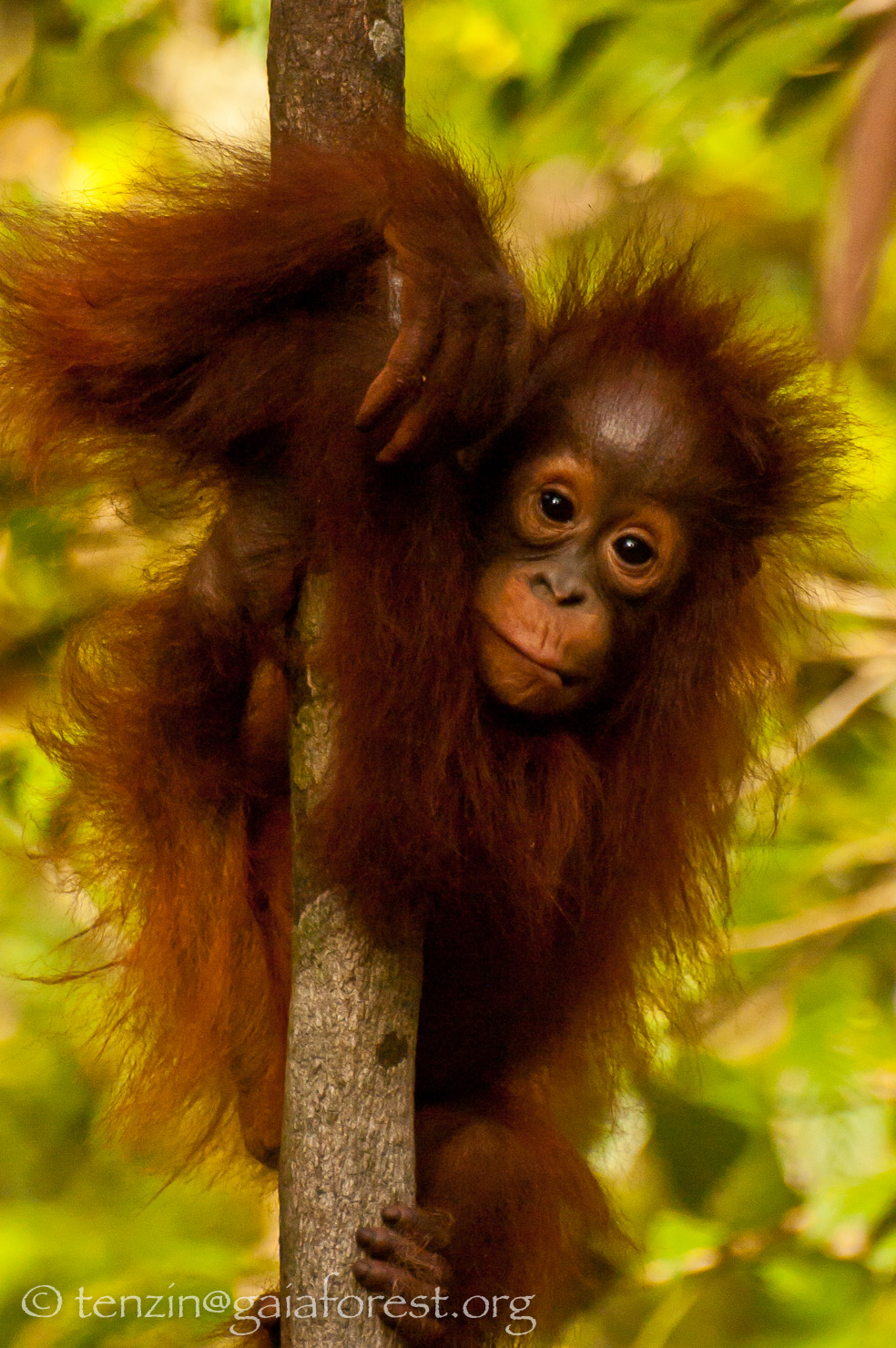
Over the course of the next 60 million years Earth greets rodents, whales, monkeys, horses, cats and dogs, antelopes, gibbons, grazing animals, orang-utans, gorillas, elephants, chimpanzees, camels, …
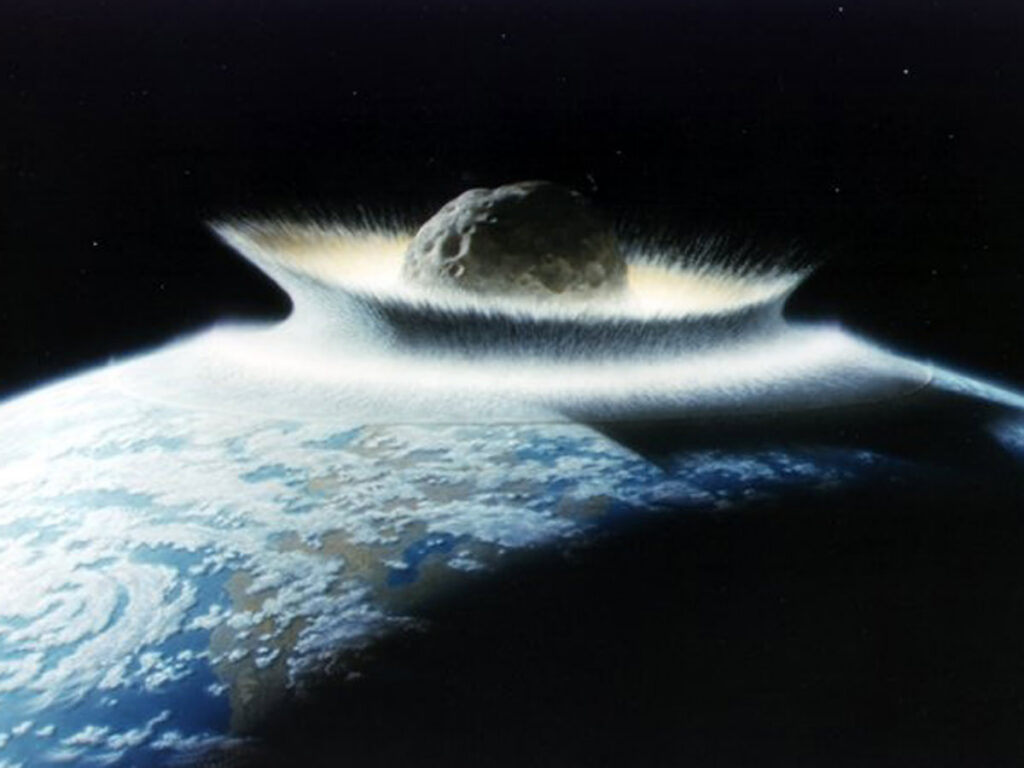
65 million years ago – Shortly after primates appear on the scene, the Cretaceous period ends with the 6th mass extinction after an asteroid 6 miles in diameter hits the Yucatan peninsula. The …
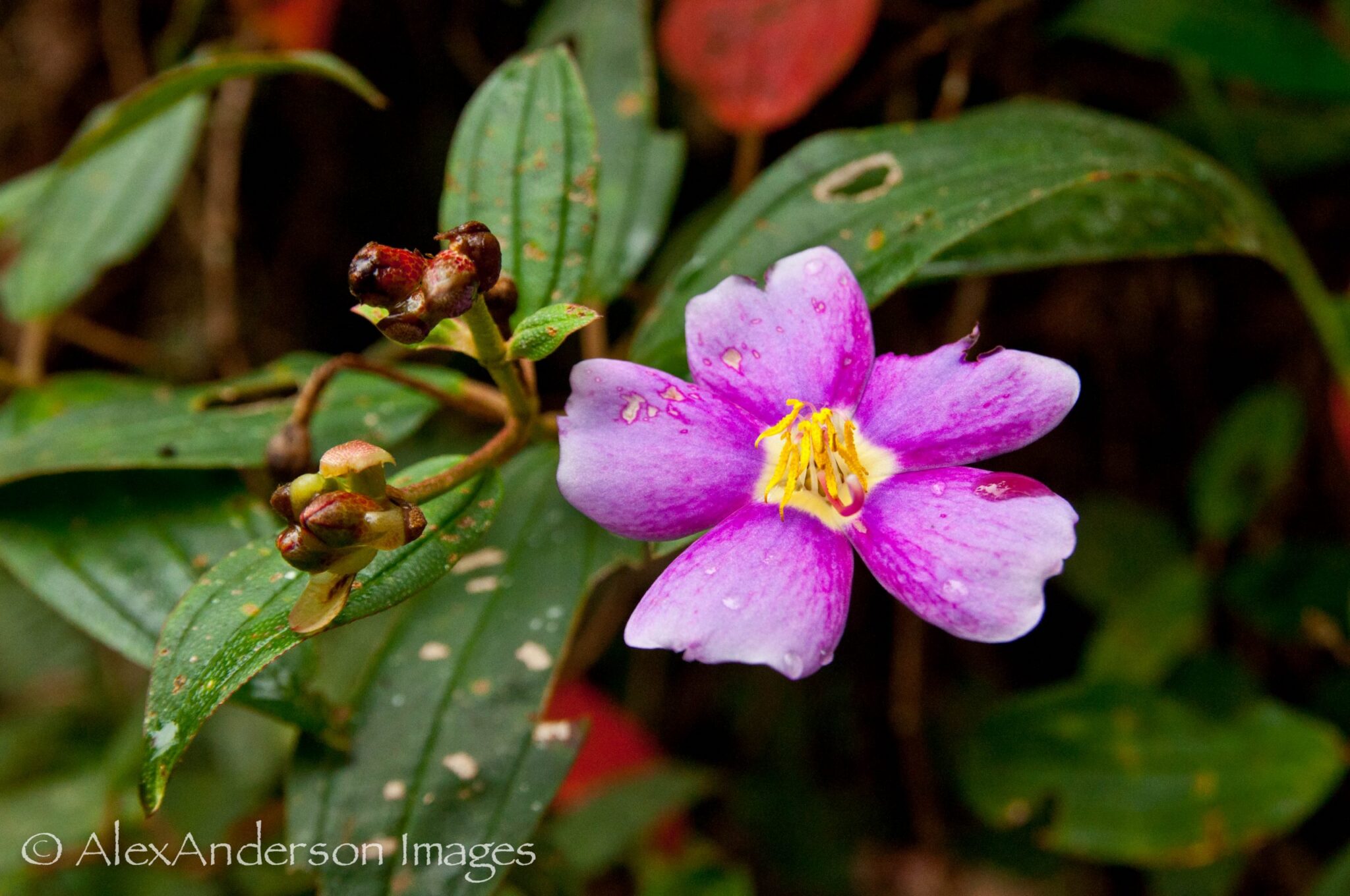
114 million years ago, Flowers evolve gorgeous and overt sexual organs, making themselves irresistible to insects by way of colours, perfumes, and delightful nectars. Insects, drawn to the nectar, …
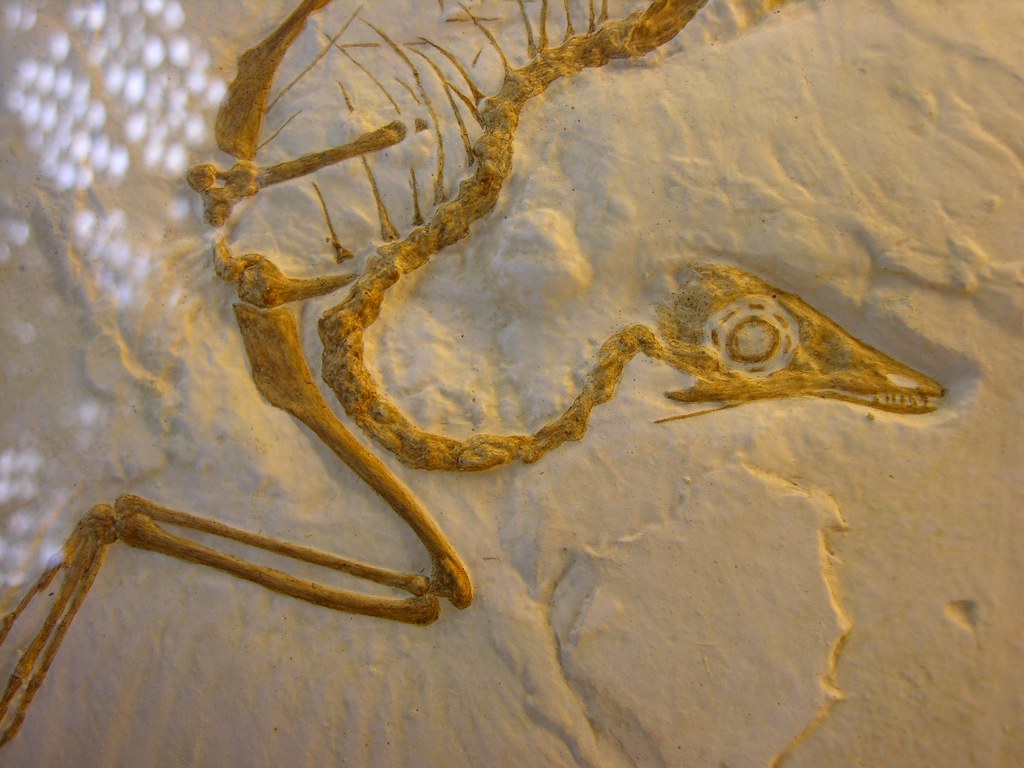
150 million years ago. Birds emerge, a direct descendant of the dinosaur as leg bones evolve into wing bones, jawbones into beaks and scales into feathers. Far larger than today’s birds, wing spans …
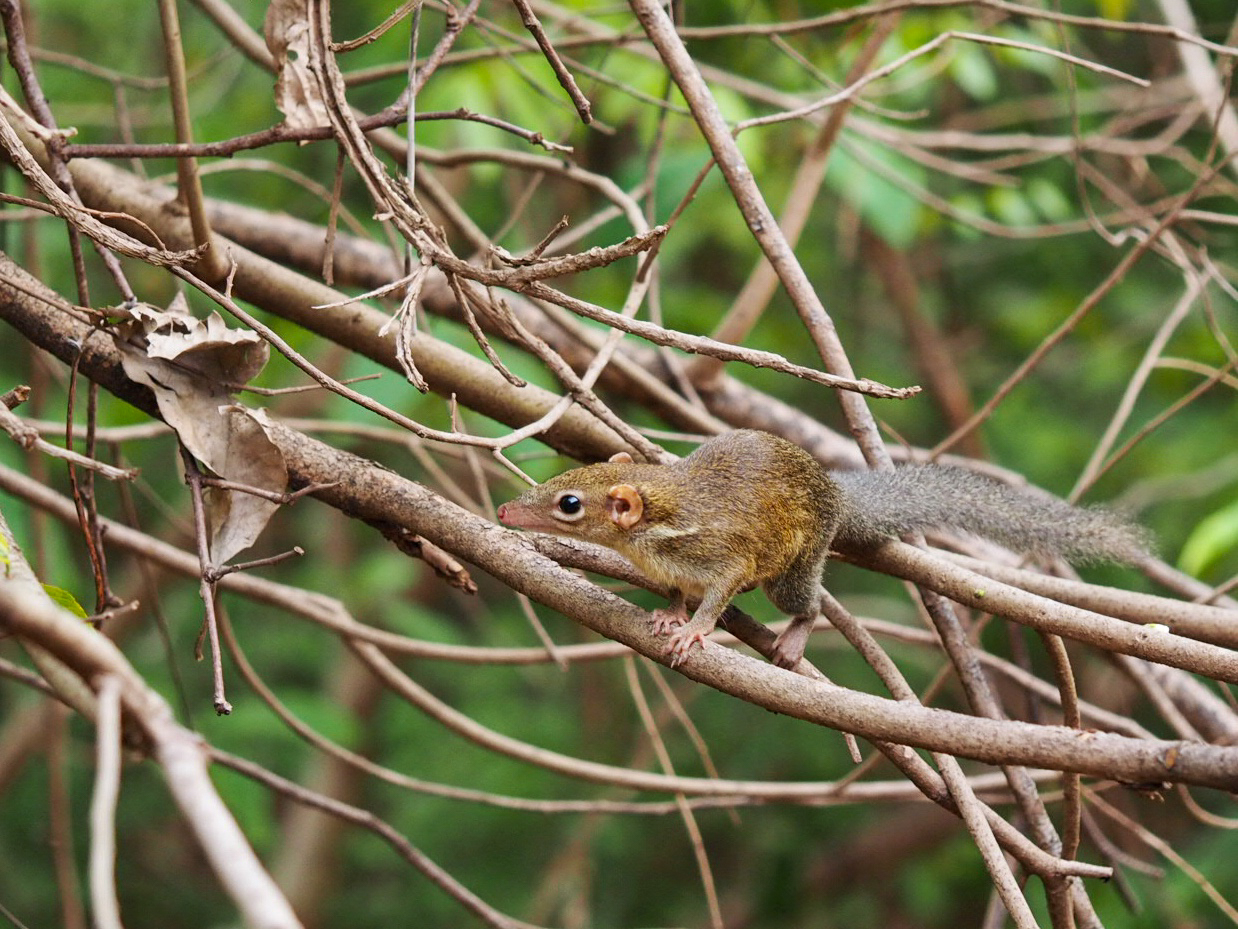
225 million years ago, the first mammals, small and nocturnal, jump, climb, swing, and swim through a world of giants. Some rodent-sized insect-eaters evolve lactation, enabling mothers to spend more …
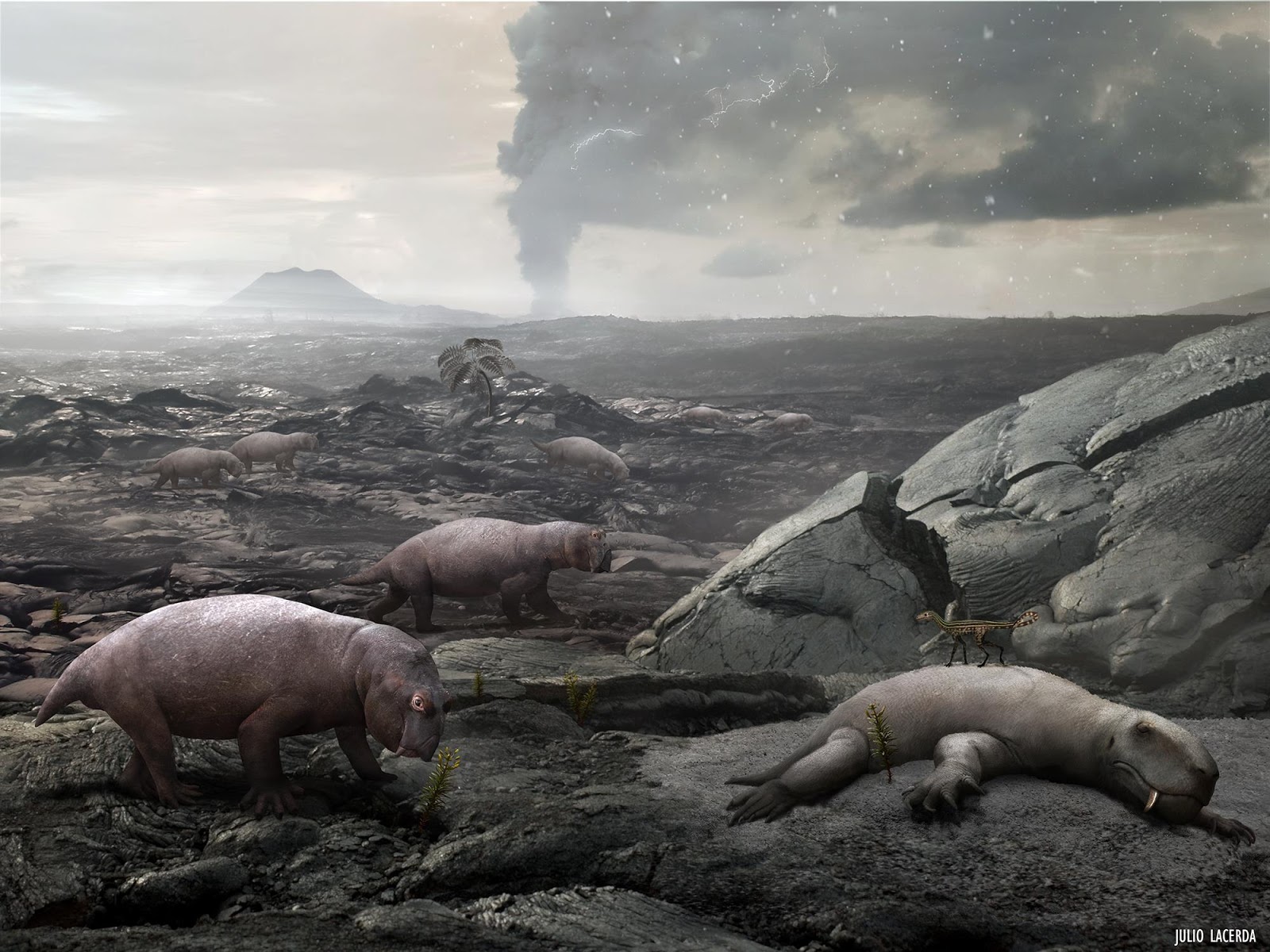
235 million years ago sees the end of the Permian period when the 4th and greatest mass extinction of life on Earth takes place. Trilobites and many other families of species disappear entirely and …
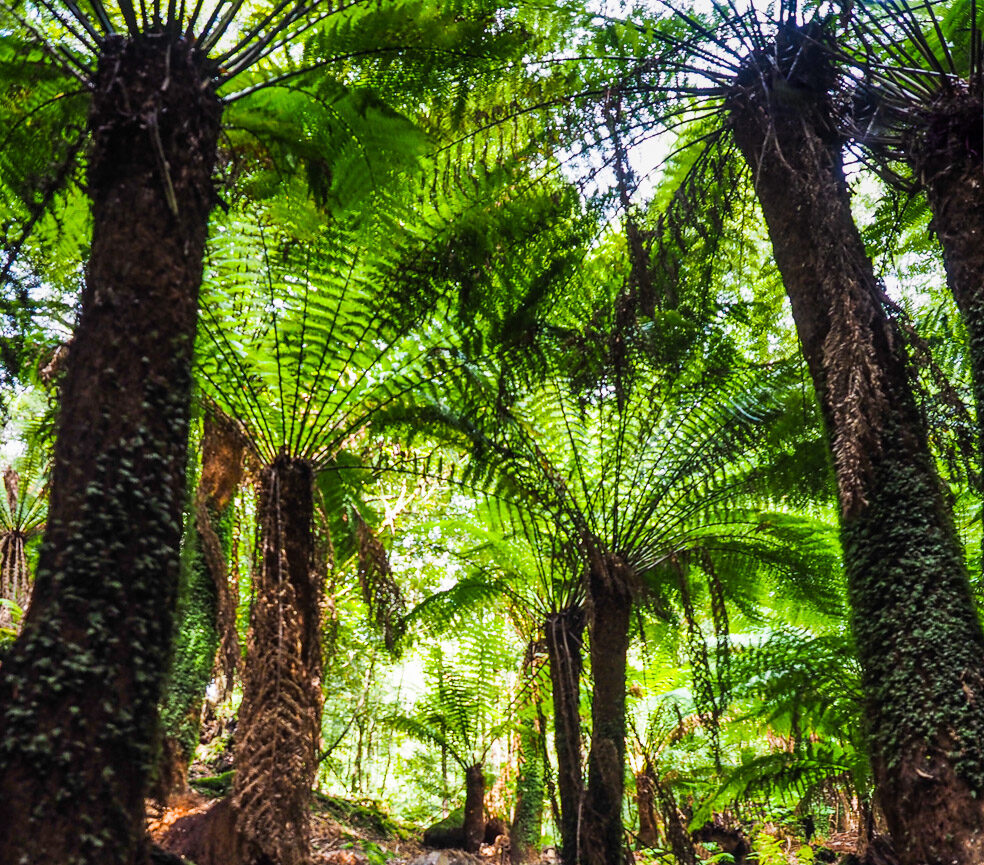
335 Million years ago, the first subtropical forests evolve. Over generations, these forests load themselves with carbon extracted from the atmosphere which later becomes fossilized as coal and oil. …
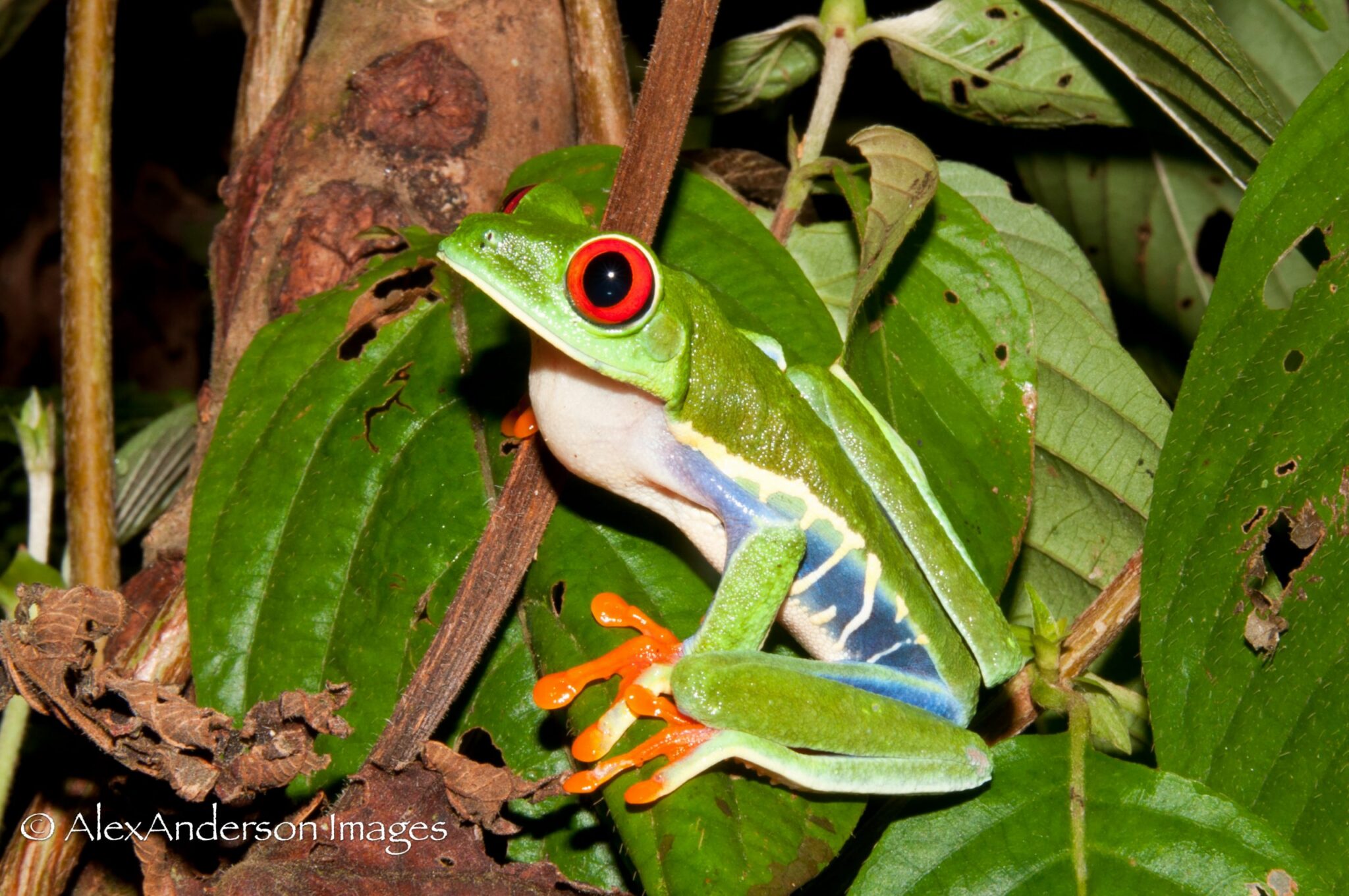
395 million years ago – The first amphibian animals hop and lumber onto land, trading in their gill slits for air-breathing lungs, transforming fins into stubby legs and continuing to return to the …
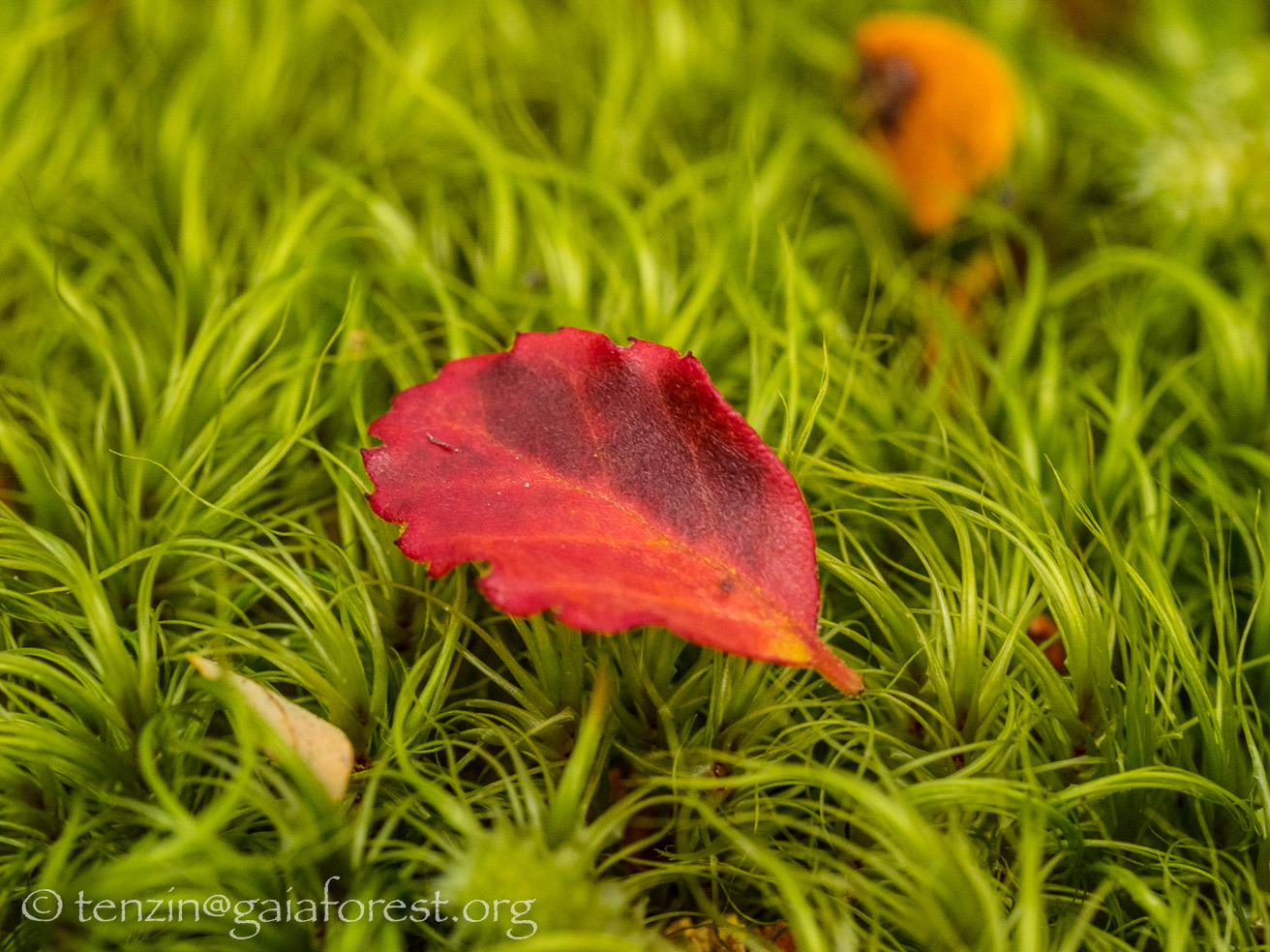
460 million years ago – Leaving the water, animals such as worms and mollusks and crustaceans seek the adventure of weather and gravity. Algae and fungi venture ashore as well. The first plants …
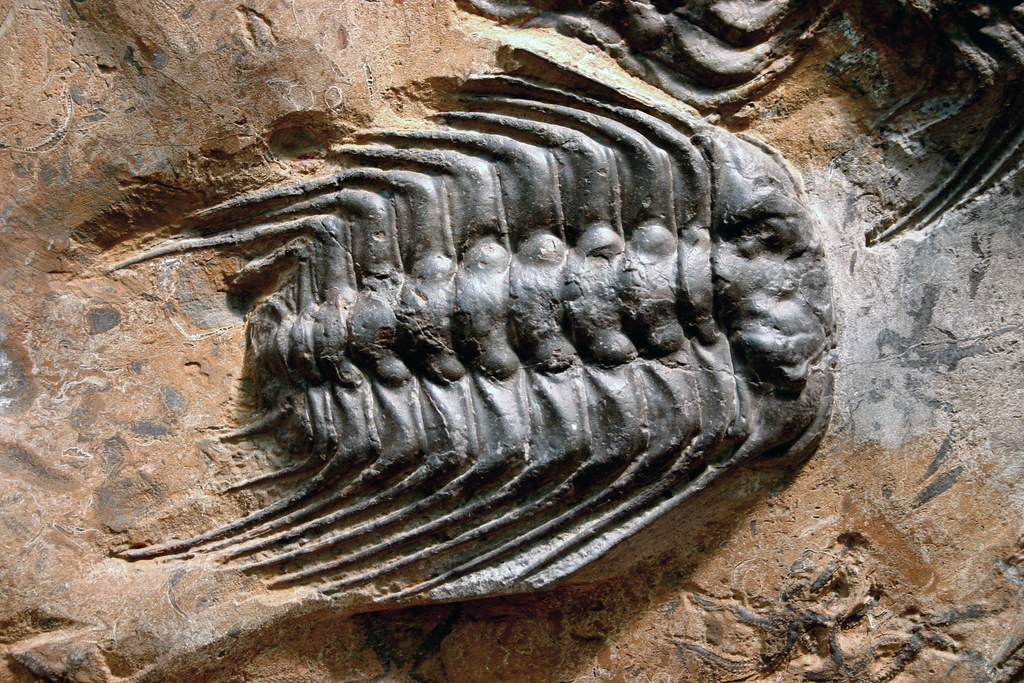
600 million years ago, light sensitive eyespots evolve into eyesight, perhaps in an ancestor of the trilobite. The Earth sees herself for the first time. Previously only soft-bodied animals evolve in …
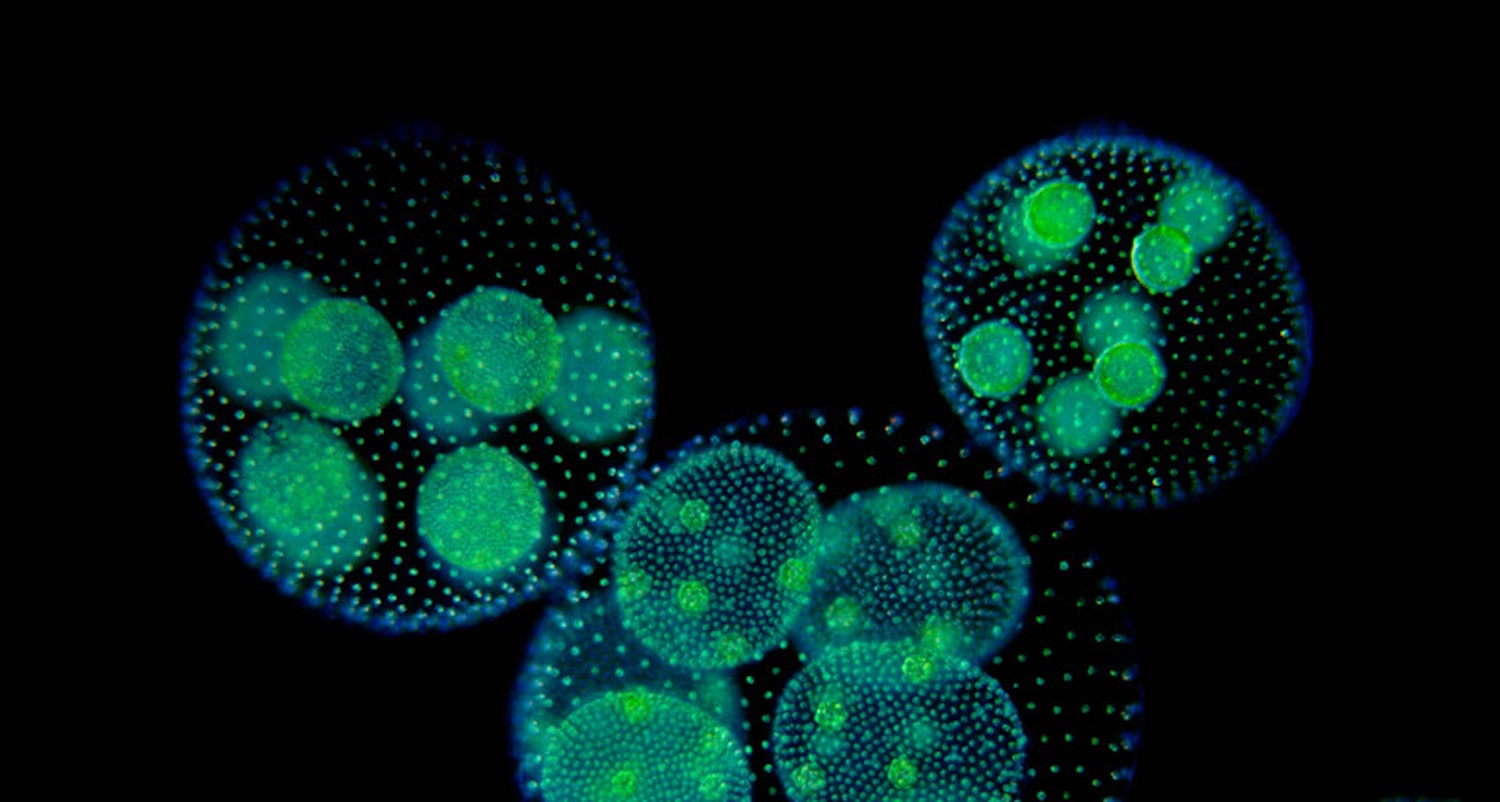
700 million years ago, the first Multicellular Organisms emerge. Some organisms begin living together in colonies, finding ways to communicate with each other using chemical messages. First their had …
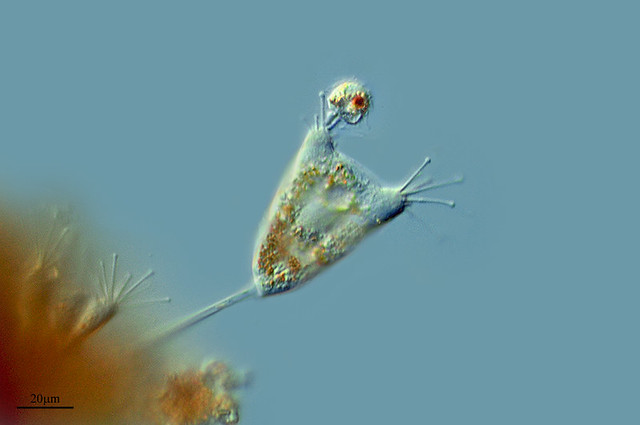
1 billion years ago, increasingly, predator organisms learn to use the complex biomolecules of their prey organisms, thereby saving themselves the effort of making their own. This quickens the …
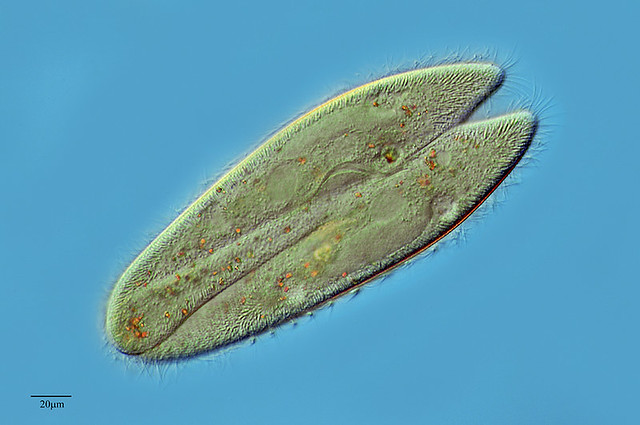
1.5 billion years ago, crisis conditions arise such as food shortages, lack of moisture and extreme temperatures. Hungry ancestral organisms learn to eat each other. Sometimes, these tiny cellular …
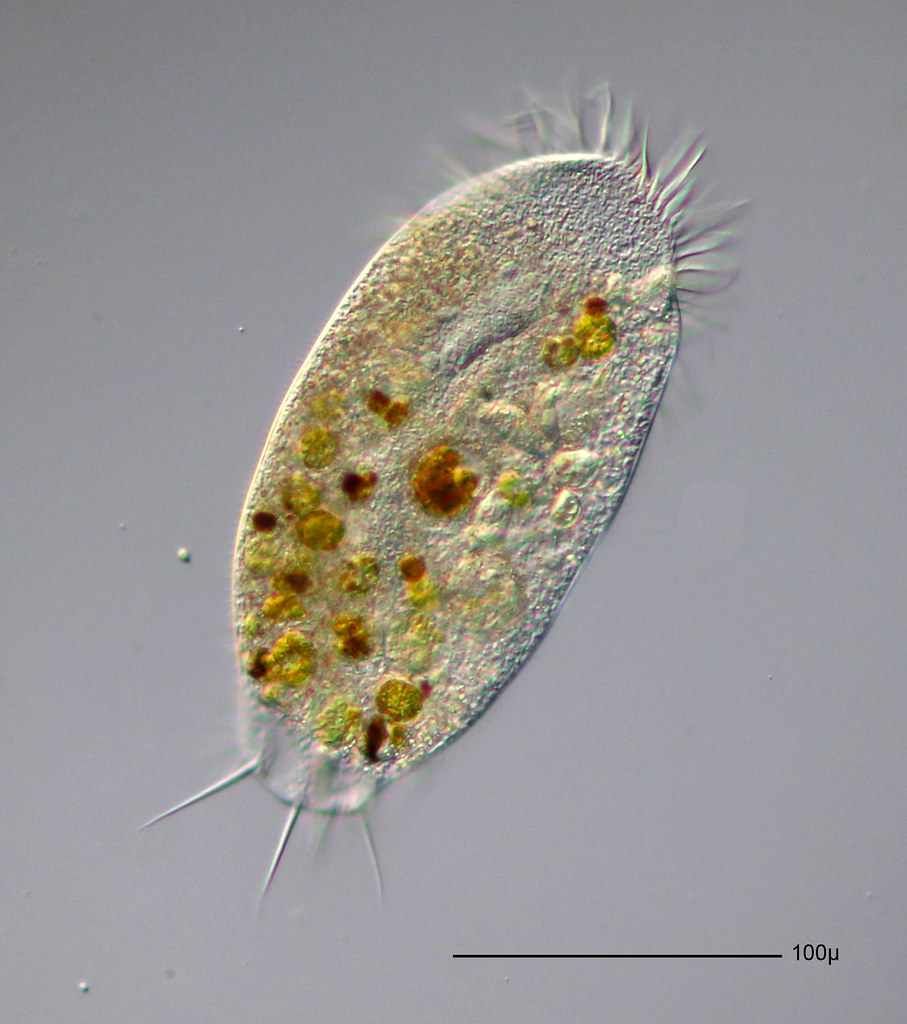
2 billion years ago, despite the enormous drag of its tidal seas the planet is still spinning fast. Each day – one revolution – lasts only about 18 hours. It is at this time that the first nucleated …
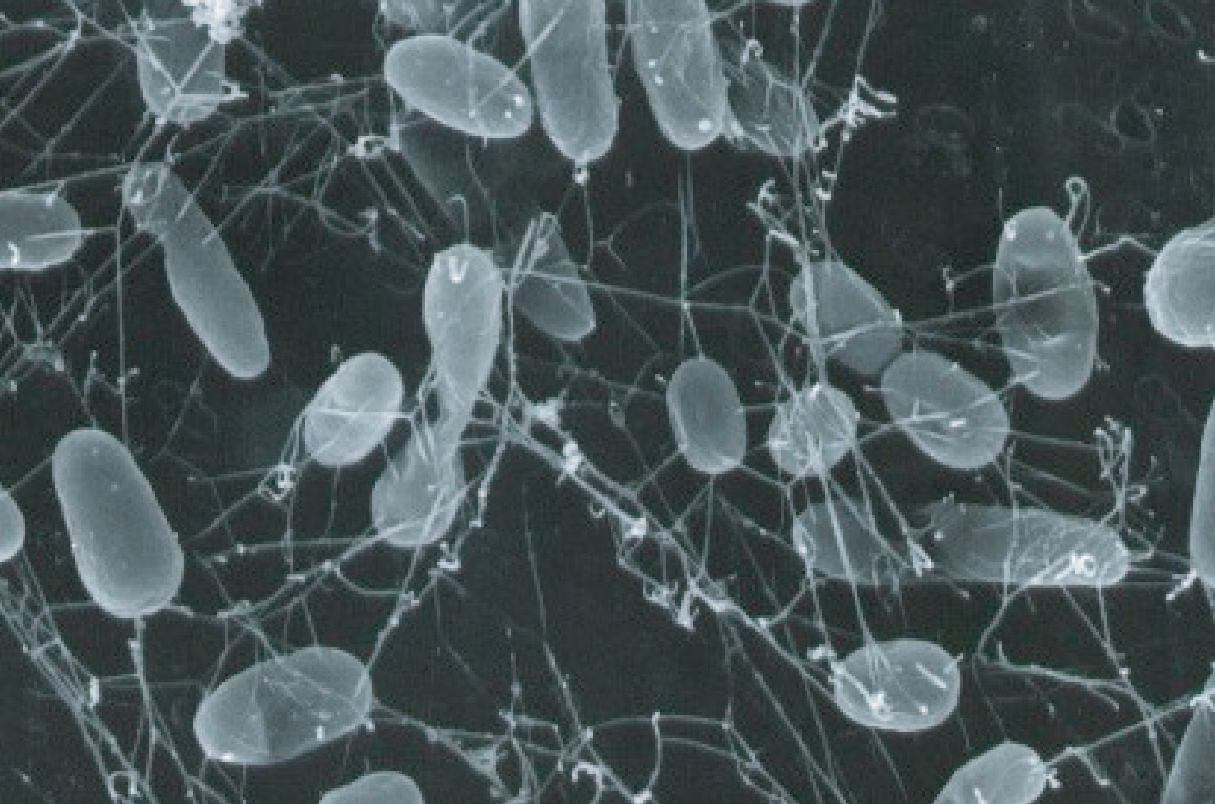
2.7 billion years ago, oxygen loving cells emerge! The first global environmental crisis is averted by the creativity of these tiny cellular creatures who invent a use for oxygen as they breathe it …
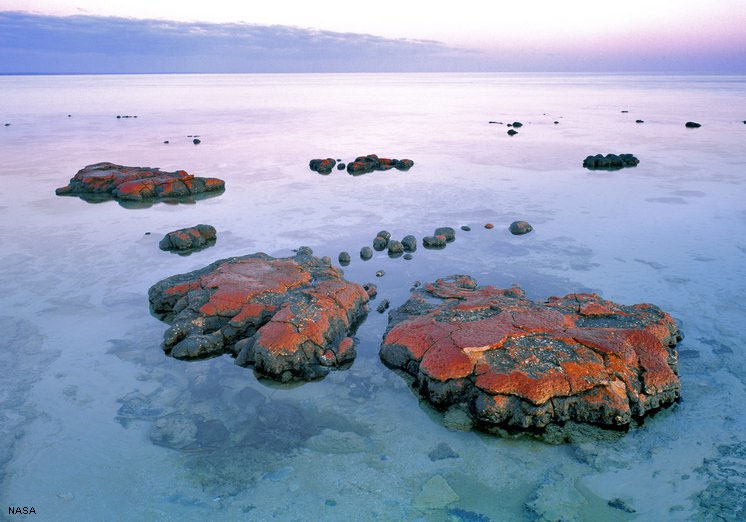
3.9 billion years ago, cells invent Photosynthesis. Small creatures learn to capture the sun and store the energy in chemical bonds. They are able to capture 18 times as much energy from their …
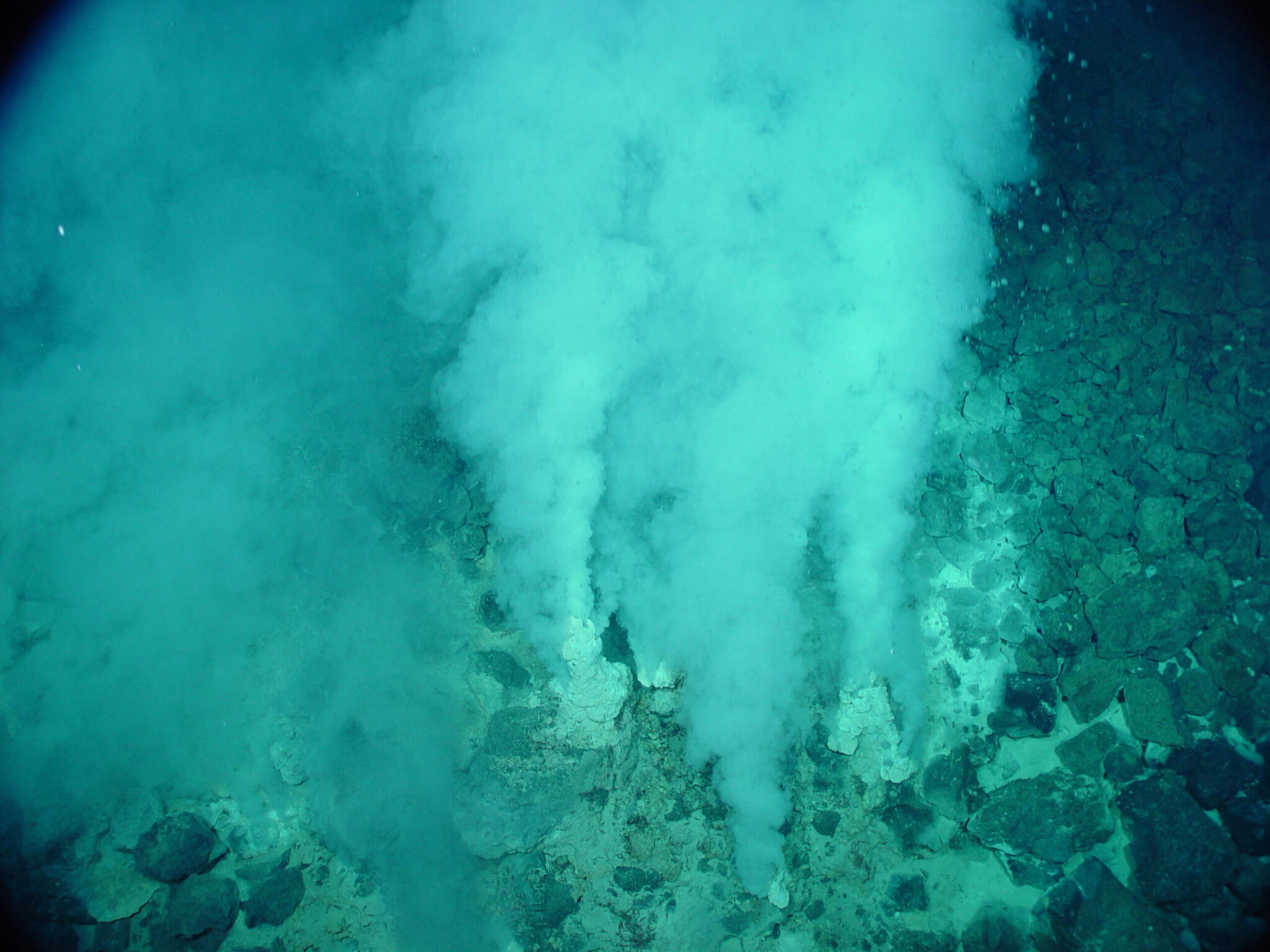
4.28 billion years ago, the rich chemical brew brings forth the wonder of life, as the First Cell emerges. Probably around hydrothermal vents in the seafloor A tiny being which draws sustenance from …
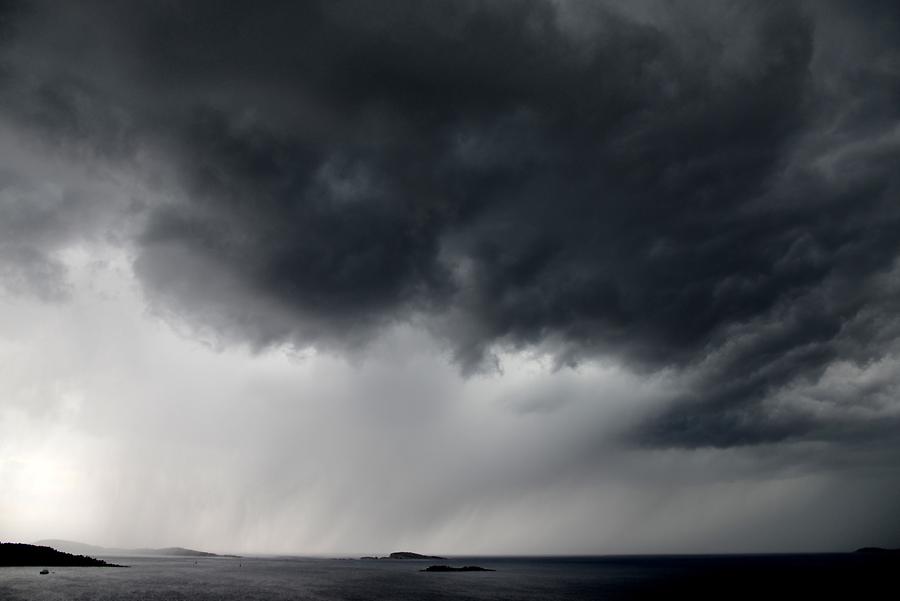
4.4 – 4.1 billion years ago – Exuberant volcanoes expel hotly agitated deep earth to the surface. Over hundreds of millions of years, Earth has grown from dust particles to a large, hot, molten rock. …
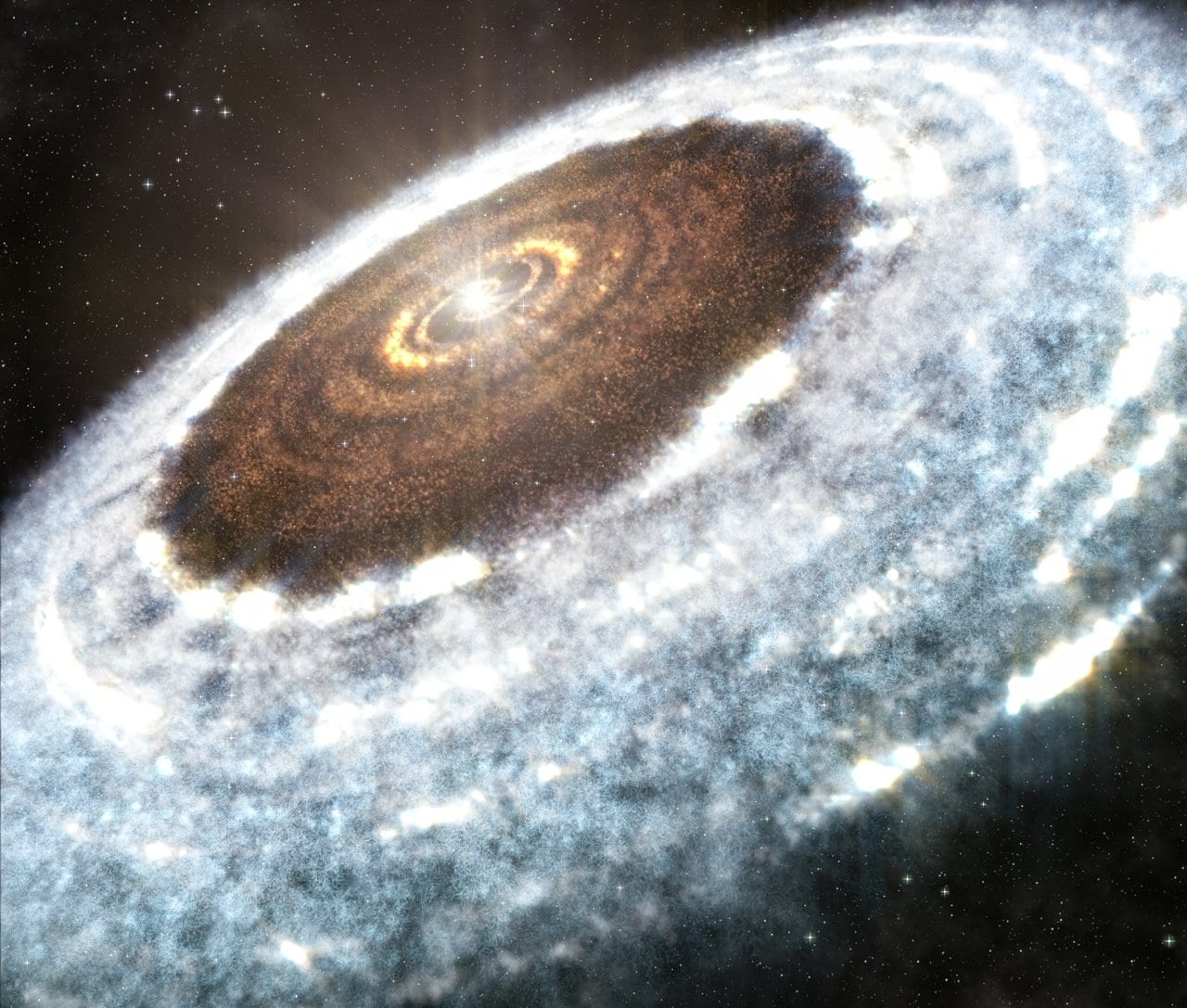
4.5 billion years ago, our Solar System forms from the remains of the supernova explosion.The sun and a great disk of matter emerge—all the planets and other members of our solar system family. Here …
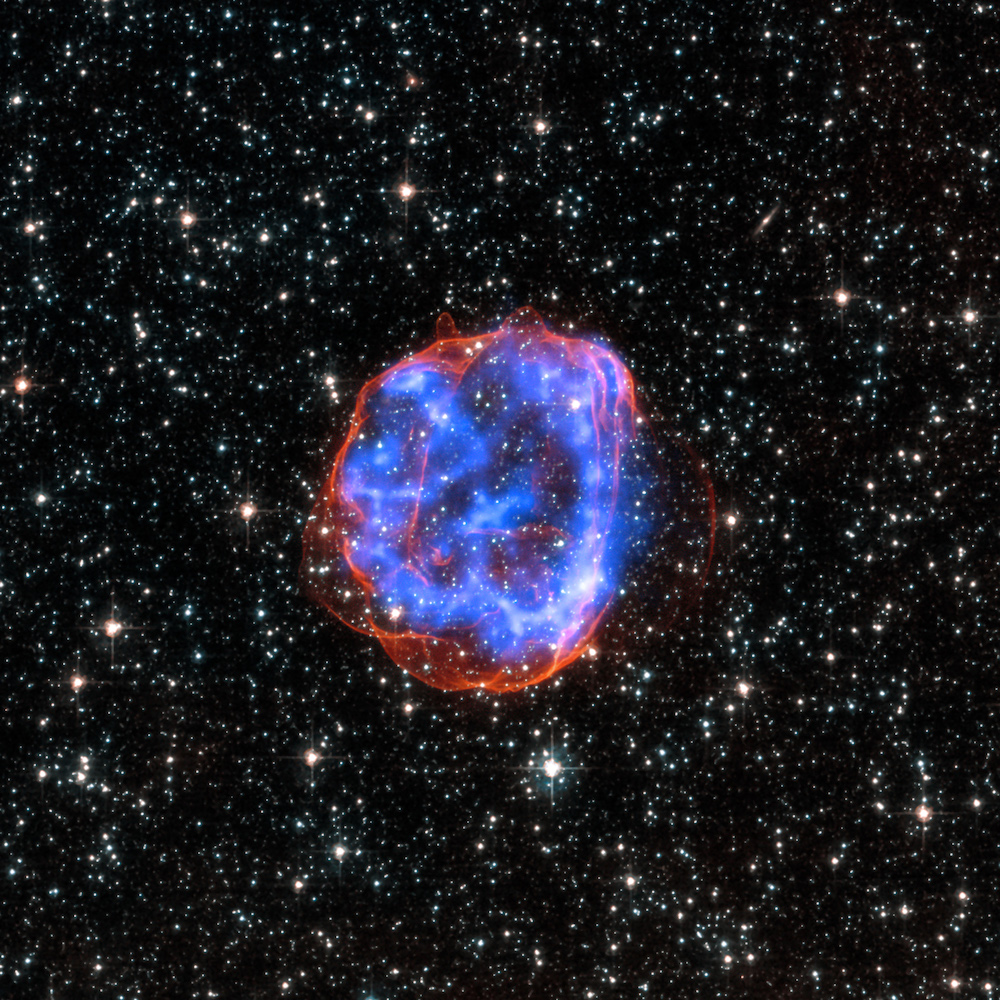
8 billion years later, 4.6 billion years ago, our Grandmother Star becomes a supernova.She gives up her life in an explosion of possibilities . She becomes a supernova giving rise to our Star, what …
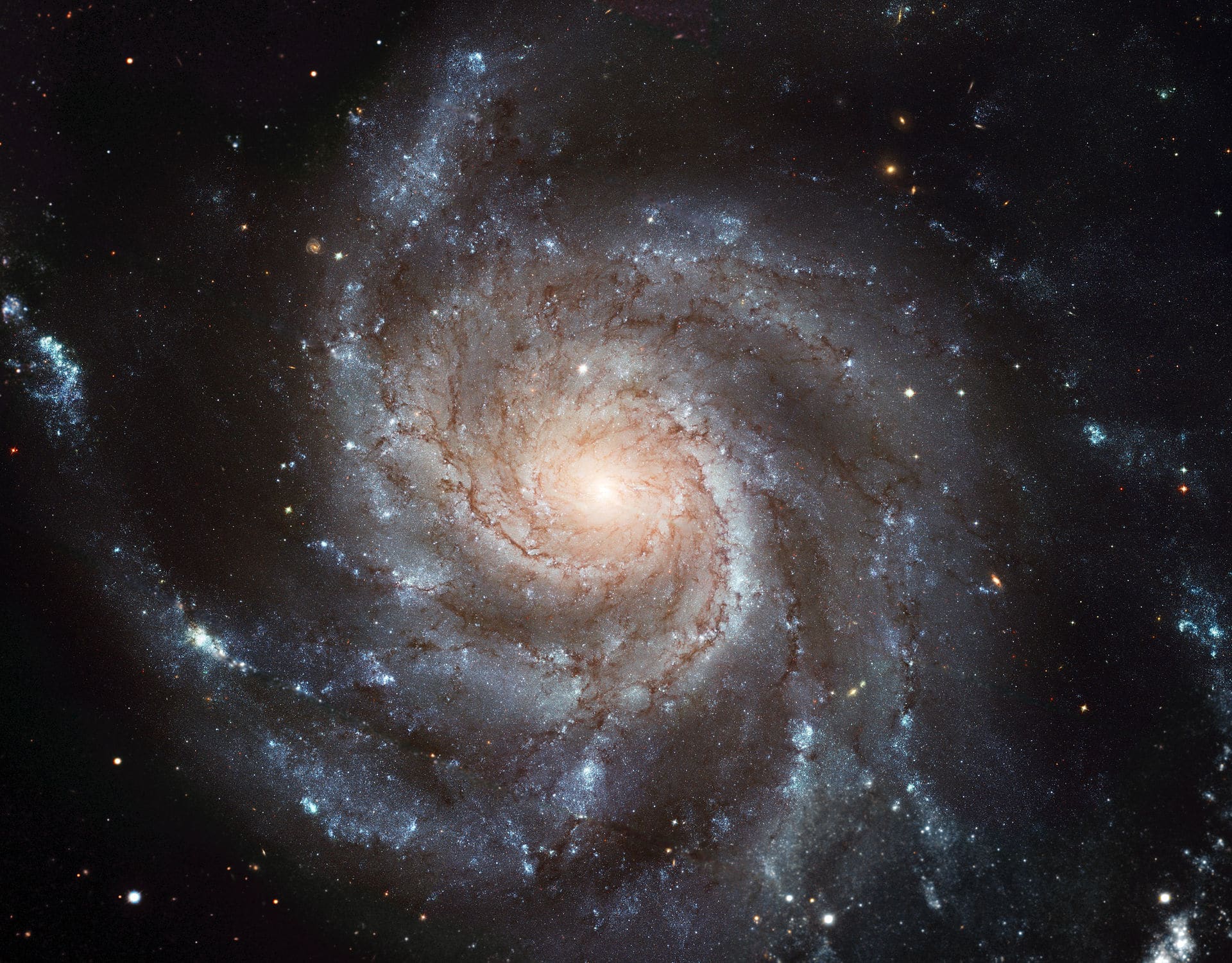
A billion years later, Galaxies, Stars, and Supernovas emerge. For billions of years the universe continues to expand and cool. Hydrogen and helium coalesce into billions of enormous structures: …
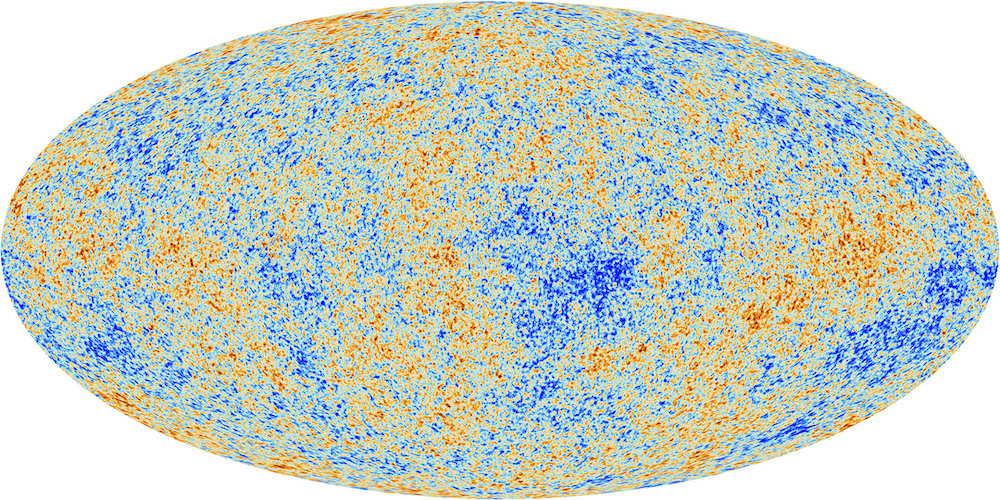
Some 13.7 billion years ago, our Universe flashes into existence, lit by the power of the eternal matrix of being. From the quantum foam is born the universe. Time, space, and energy become the gifts …