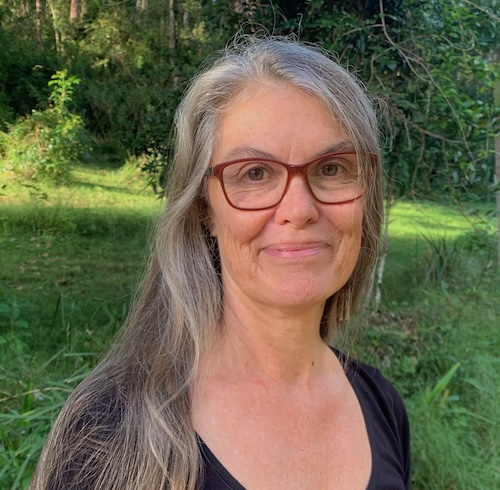
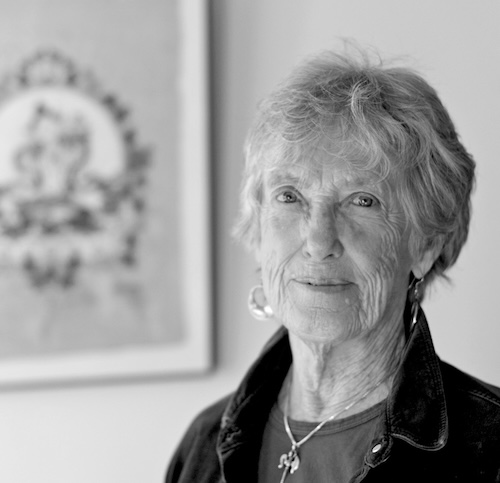
In Memoriam: Joanna Macy (1929-2025)
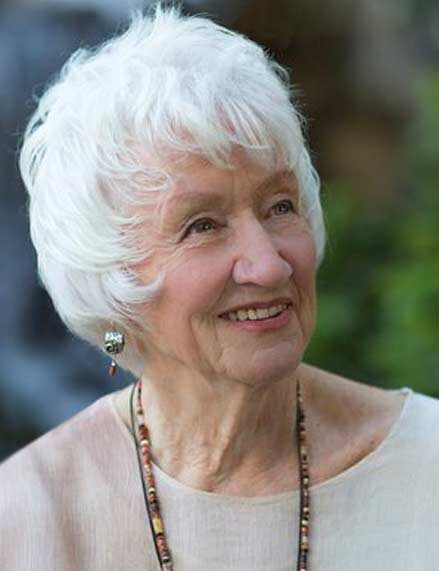
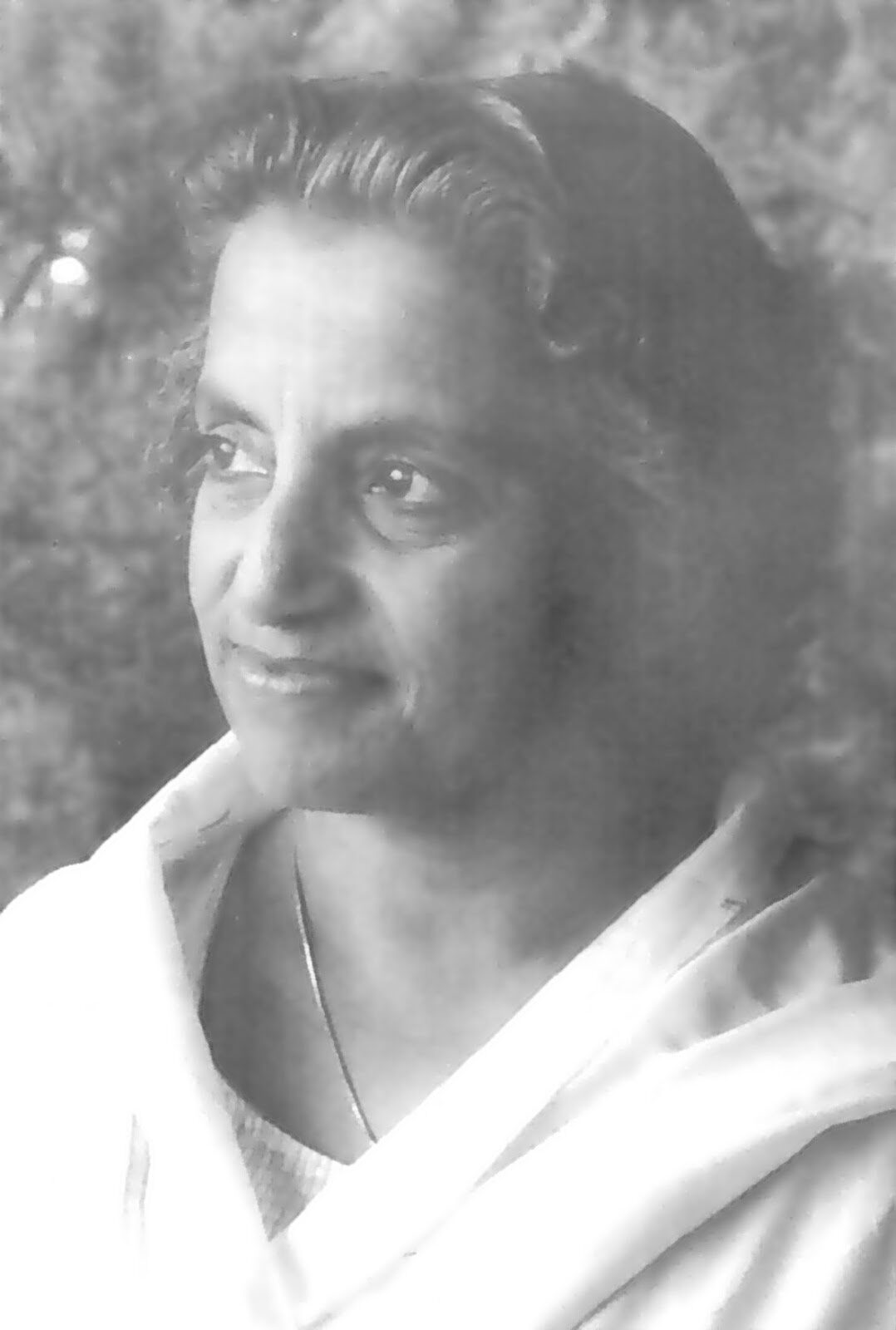
It is with great sadness that we acknowledge the passing of philosopher, mentor, teacher, activist and visionary, Joanna Macy. Joanna died peacefully at her home in Berkeley on July 19, 2025, at age …

deep ecology
practices for awakening and resilience in a changing world
Latest news and updates

It is with great sadness that we acknowledge the passing of philosopher, mentor, teacher, activist and visionary, Joanna Macy. Joanna died peacefully at her home in Berkeley on July 19, 2025, at age …


SUNDAY, SEPTEMBER 20, 2026 AT 4:00 PM AEST (6:00 PM NZST) — A free event. Join the Southern Turning Spring Equinox zoom call to meet with friends and …
A tediously accurate, to-scale map of the solar system, built by web developer Josh Worth: …
John Revington was a volunteer with the Rainforest Information Centre (RIC) in Lismore, New South Wales, and editor of its quarterly journal, the …
Freya Mathews (Adjunct Professor of Environmental Philosophy, La Trobe University) published “Ecophilosophy as a Way of Life” in The …
Fred W. Allendorf’s short essay “The Conservation Biologist as Zen Student” appeared in Conservation Biology, Vol. 11, No. 5 (1997), …
Mary-Jayne Rust is a Jungian analyst and art therapist based in London, and one of the UK’s leading voices in ecopsychology — the field …
Joanna Macy’s “The End of Oil, Climate Change, and the Great Turning” was adapted from a talk given for the Post Carbon Institute in …
Ellen LaConte’s essay “The Next Things After Surrender” was published in The Trumpeter: Journal of Ecosophy, Vol. 19, No. 1 (2003) — …
“Deep ecological awareness recognizes the fundamental interdependence of all phenomena and the fact that, as individuals and societies we are all …
“Deep ecology does not separate humans - or anything else - from the natural environment. It does see the world not as a collection of isolated …
“Gradually, physicists began to realise that nature, at the atomic level, does not appear as a mechanical universe composed of fundamental building …
“Mystics understand the roots of the Tao but not its branches; scientists understand its branches but not its roots. Science does not need mysticism …
“Systems thinking is “contextual,” which is the opposite of analytical thinking. Analysis means taking something apart in order to understand it; …
“There are solutions to the major problems of our time; some of them even simple. But they require a radical shift in our perceptions, our thinking, …
A land ethic changes the role of Homo sapiens from conqueror of the land-community to plain member and citizen of it.
A thing is right when it tends to preserve the integrity, stability, and beauty of the biotic community. It is wrong when it tends otherwise.
Ability to see the cultural value of wilderness boils down, in the last analysis, to a question of intellectual humility.
Ahimsa is the means; Truth is the end. Means to be means must always be within our reach, and so ahimsa is our supreme duty.
All doing is knowing, and all knowing is doing.
All flourishing is mutual.
All noble things are as difficult as they are rare.
All things in nature proceed from certain necessity and with the utmost perfection.
An Indigenous person is a member of a community retaining memories of life lived sustainably on a land-base, as part of that land-base.
As a poet I hold the most archaic values on earth. They go back to the late Paleolithic: the fertility of the soil, the magic of animals, the …
As soon as there is awareness of wholeness, every moment becomes sacred, every movement is sacred.
Autopoiesis is the mechanism that makes living systems autonomous.
Be patient toward all that is unsolved in your heart and try to love the questions themselves.
Being naturalized to place means to live as if this is the land that feeds you, as if these are the streams from which you drink.
Buddhism without social action is not complete Buddhism.
By means of all created things, without exception, the divine assails us, penetrates us, and molds us.
Cognition is not the representation of a pre-given world by a pre-given mind, but is rather the enactment of a world and a mind.
Compassion without wisdom is blind; wisdom without compassion is cold.
Conservation is a state of harmony between men and land.
Consumerism is the new religion of the modern world, and it’s destroying both people and planet.
Contemporary life diverges from the pattern of creation. How does this affect us? How can we do things differently?
Decolonization is not about returning to some pristine past; it’s about creating new futures.
Deep ecology is not just a pragmatic, short-term social movement. It attempts to question and present alternatives to conventional ways of thinking …
Deep ecology is not just an intellectual movement, it’s a way of being in the world.
Destroying rainforest for economic gain is like burning a Renaissance painting to cook a meal.
Ecosophy begins with experiencing ourselves as part of nature, not separate from it.
Every act of knowing brings forth a world.
Every species is a masterpiece, a creation assembled with extreme care and genius.
Every symptom in our culture can be traced back to our inability to grieve well.
Evolution has no purpose; it simply drifts with the only constraint of maintaining structural coupling.
Find your place on the planet. Dig in, and take responsibility from there.
Future generations are unlikely to condone our lack of prudent concern for the integrity of the natural world that supports all life.
God and Nature are one and the same.
Grief is not a feeling but a skill - the skill that allows us to love fully in the face of loss.
Grief is praise. It is the way the heart acknowledges the beauty of what we have lost.
Happiness research shows that beyond meeting basic needs, more consumption does not lead to greater well-being.
Humans have no right to reduce this richness and diversity except to satisfy vital needs.
I have made a ceaseless effort not to ridicule, not to bewail, not to scorn human actions, but to understand them.
I live my life in widening circles / that reach out across the world.
I realized I was prey. I was a meal for a crocodile in the most ancient sense.
I want to be with those who know secret things or else alone.
If all mankind were to disappear, the world would regenerate back to the rich state of equilibrium that existed ten thousand years ago. If insects …
If everybody would agree that their current reality is A reality, and that what we essentially share is our capacity for constructing a reality, then …
If the Earth does grow inhospitable toward human presence, it is primarily because we have lost our sense of courtesy toward the Earth and its …
If we are living so intimately with chemicals—eating and drinking them, taking them into the very marrow of our bones—we had better know something …
If you will stay close to nature, to its simplicity, to the small things hardly noticeable, those things can unexpectedly become great and …
If your daily life seems poor, do not blame it; blame yourself, tell yourself that you are not poet enough to call forth its riches.
In every outthrust headland, in every curving beach, in every grain of sand there is the story of the earth.
In some Native languages the term for plants translates to ’those who take care of us.'
In the sanctuary of silence / beauty comes to life. / Freedom is the blossom. / Love is the perfume, / compassion its graceful way of walking.
In this era, to become a spiritual inquirer without social consciousness is a luxury that we can ill afford, and to be a social activist without a …
Indigenous Knowledge is any application of those memories as living knowledge to improve present and future circumstances.
Information is a difference that makes a difference.
Inner peace and outer peace are inseparable.
Let everything happen to you: beauty and terror. / Just keep going. No feeling is final.
Localization is a process of economic and social restructuring based on the principle that our economies should serve our communities and our …
Love is the fundamental energy of the universe.
Man is not situated in nature as a kingdom within a kingdom, but as a part of the whole.
Man’s attitude toward nature is today critically important simply because we have now acquired a fateful power to alter and destroy nature. But …
Nature holds the key to our aesthetic, intellectual, cognitive and even spiritual satisfaction.
Nature is not a place to visit, it is home.
Nonviolence is not a garment to be put on and off at will. Its seat is in the heart, and it must be an inseparable part of our being.
Nothing has meaning except it be seen as in some sort of context.
One of the penalties of an ecological education is that one lives alone in a world of wounds.
One way to open your eyes is to ask yourself, ‘What if I had never seen this before? What if I knew I would never see it again?’
Paths are necessary in order to go off the trail.
Paying attention is a form of reciprocity with the living world, receiving the gifts with open eyes and open heart.
Peace is not an absence of war, it is a virtue, a state of mind, a disposition for benevolence, confidence, justice.
Perhaps all the dragons in our lives are princesses who are only waiting to see us act, just once, with beauty and courage.
Present human interference with the nonhuman world is excessive, and the situation is rapidly worsening.
Rationalism is the key to the connected oppressions of women and nature in the West.
Richness and diversity of life forms contribute to the realization of these values and are also values in themselves.
Small is not only beautiful, small is also sacred.
Soil, soul and society are interconnected and interdependent.
Spring has returned. The Earth is like a child that knows poems.
Stay together / learn the flowers / go light.
That land is a community is the basic concept of ecology, but that land is to be loved and respected is an extension of ethics.
The assistance people need is not in learning about Aboriginal Knowledge but in remembering their own.
The biophilia hypothesis proclaims a human dependence on nature that extends far beyond the simple issues of material and energy.
The challenge awaiting us is to go much deeper as human beings, to expand understanding to a global scale, integrating the totality of living, and to …
The Council of All Beings allows us to step aside from our human identity and speak on behalf of the other species and ecosystems with whom we share …
The cracks are where the light comes in, but they are also where we fall apart.
The creative resistance is to maintain alive the vision that we have other possibilities of living.
The creature that wins against its environment destroys itself.
The day will come when, after harnessing space, the winds, the tides and gravitation, we shall harness for God the energies of love.
The Earth does not belong to us; we belong to the Earth.
The Earth is grieving, and our grief for the Earth is one way we can be in relationship with her pain.
The Earth is not only a machine, it is also a face.
The Earth is primary. Human beings are derivative.
The earth’s vegetation is part of a web of life in which there are intimate and essential relations between plants and the earth, between …
The ecological crisis is fundamentally a crisis of consciousness and values.
The environmental/ecology movement has been a response to the awareness by many people that something is drastically wrong, out of balance in our …
The forest does not belong to us; we belong to the forest.
The global economy is like a machine that must grow or die, and growth means the destruction of the natural world.
The Great Work now, as we move into a new millennium, is to carry out the transition from a period of human devastation of the Earth to a period when …
The highest activity a human being can attain is learning for understanding, because to understand is to be free.
The idea that humans are separate from nature is the illness of civilization.
The ideological change is mainly that of appreciating life quality rather than adhering to an increasingly higher standard of living.
The invitation is to compost, not to fix.
The land ethic simply enlarges the boundaries of the community to include soils, waters, plants, and animals, or collectively: the land.
The living being and its environment are mutually enfolded in multiple ways, and so what constitutes the world of a given organism is enacted by that …
The major problems in the world are the result of the difference between how nature works and the way people think.
The map is not the territory, and the name is not the thing named.
The mercy of the West has been social revolution; the mercy of the East has been individual insight into the basic self/void. We need both.
The more clearly we can focus our attention on the wonders and realities of the universe about us, the less taste we shall have for destruction.
The more we understand individual things, the more we understand God.
The most radical thing we can do is to rebuild our local economies.
The most satisfying thing in life is to have been able to give a large part of one’s self to others.
The pattern which connects is a metapattern. It is a pattern of patterns.
The project is changing the master story, the background narrative of our culture.
The real work is what we really do. And what our lives are. And if we can make work real, we can make it whole.
The root of violence is not anger or hatred, but ignorance and greed.
The sacred is certainly related to the beautiful. And both are related to that which is outside the reach of language.
The standpoint of mastery sees the other as radically separate and inferior, the background to the self as foreground.
The universe is a communion of subjects, not a collection of objects.
The variety of life is a heritage for all humanity. The species we are extinguishing took millions of years to evolve.
The village is where we learn to feel together, and feeling together is how we heal the world.
The well-being and flourishing of human and nonhuman Life on Earth have value in themselves. These values are independent of the usefulness of the …
The work of many ecologists has encouraged the adoption of an ecological consciousness, changing the role of Homo sapiens from conqueror of the land …
There are some who can live without wild things, and some who cannot. These essays are the delights and dilemmas of one who cannot.
This book is an attempt at codifying a scattered body of ecological insight into a philosophy that places human beings on an absolutely equal footing …
Those who contemplate the beauty of the earth find reserves of strength that will endure as long as life lasts.
Those who subscribe to the foregoing points have an obligation directly or indirectly to participate in the attempt to implement the necessary …
Traditional cultures had achieved something we are desperately seeking: a balance between human needs and natural limits.
True development must be development of the people, by the people, for the people, and with the people.
Truth (satya) implies love, and firmness (agraha) serves as a synonym for force. I thus began to call the Indian movement Satyagraha - the Force …
Until we can acknowledge our dependency on nature, we cannot develop a truly sustainable culture.
Walking is the great adventure, the first meditation, a practice of heartiness and soul primary to humankind.
We abuse land because we regard it as a commodity belonging to us. When we see land as a community to which we belong, we may begin to use it with …
We are all connected - to each other, to all life, and to the Earth itself.
We are challenged as mankind has never been challenged before to prove our maturity and our mastery, not of nature, but of ourselves.
We are drowning in information, while starving for wisdom.
We are evolution become conscious of itself.
We are most of us governed by epistemologies that we know to be wrong.
We are not gods. We are not the appointed stewards of the planet. We are just another species, but we happen to be the dominant one at this moment.
We are not going into the future, we are going into the mystery.
We are not human beings having a spiritual experience; we are spiritual beings having a human experience.
We are not in the Anthropocene; we are in the time of creative resistance.
We are the Earth become conscious of itself.
We bear the universe in our beings as the universe bears us in its being.
We cannot overcome the ecological crisis without dealing with the crisis of the human heart.
We cannot think our way out of the troubles that thinking created.
We do not see the world as it is, we see the world as we are.
We have been told that there is no alternative to the global economy, but communities around the world are proving otherwise.
We have only to believe. And the more threatening and irreducible reality appears, the more firmly and desperately we must believe.
We have Paleolithic emotions, medieval institutions, and godlike technology.
We live in a grief-illiterate culture, and this illiteracy is killing us and the planet.
We may not need a new ecological philosophy, but need to reawaken something very old, to reawaken our understanding of Earth wisdom.
We must learn to be content with enough, not constantly wanting more.
We need philosophy that connects head and heart, intellect and intuition, theory and practice.
We need to accept the invitation to the dance - the dance of unity of humans, plants, animals, the Earth. We need to cultivate an ecological …
We need to move from a spirituality of alienation from the natural world to a spirituality of intimacy with the natural world.
We need to recognize ourselves as ecological beings who are thoroughly enmeshed in a larger world of nature.
We need to rediscover the wisdom of traditional societies that lived in harmony with nature.
We will in all our actions be whole, total, natural, without effort. Every action or nonaction will have the perfume of wholeness.
When awareness of the totality, of wholeness, dawns upon the heart, and there is awareness of the relationship of every being to every other, then …
When we allow ourselves to feel the full impact of what we’re losing, we find the energy to protect what remains.
When we think like a mountain, we begin to understand the patience of geological time and the wisdom of ecosystems.
Wildness calls us back to our ecological selves, reminding us who we really are.
Wisdom consists in being open to the groundlessness of experience.
Wisdom is knowing the pattern which connects.
You get mature ecosystems such as rainforests and prairies where you have far more cooperation than you have hostile competition.
You must not lose faith in humanity. Humanity is an ocean. If a few drops are dirty, the ocean does not become dirty.
Young species are acquisitive and territorial and grabby, and mature species co-operate, as in a rainforest.
All of us are walking communities of bacteria. The world shimmers, a pointillist landscape made of tiny living beings.
Breathing in, I calm body and mind. Breathing out, I smile.
Each being in the universe is the result of 13.8 billion years of creative development.
Earth Democracy connects the particular to the universal, the local to the global.
Every day I see or I hear something that more or less kills me with delight.
Humans are that part of the Earth that has awakened to itself.
Humans on Earth behave in some ways like a pathogenic micro-organism, or like the cells of a tumor.
I don’t know exactly what a prayer is. / I do know how to pay attention.
I’d look for life on Mars in the composition of its atmosphere, not by crawling around looking for bugs.
If we are peaceful, if we are happy, we can smile and blossom like a flower, and everyone in our family, our entire society, will benefit from our …
If you understand that you are made of stellar material, you understand your kinship with every other being.
Independence is a political, not a scientific term.
Indigenous knowledge is sophisticated knowledge, not primitive knowledge.
Instructions for living a life: / Pay attention. / Be astonished. / Tell about it.
Keep some room in your heart for the unimaginable.
Life on Earth is an elaborate and intricate symbiotic phenomenon.
Whenever philosophers and scientists have tried to explain how life evolved, they have made the same mistake: they’ve assumed that the …
Seed is not commodity. It is the embodiment of millions of years of evolution.
I think the concept of symbiosis, of living together in physical contact, is a very important concept in evolution that has been neglected.
Tell me, what is it you plan to do / with your one wild and precious life?
Thanks to impermanence, everything is possible.
The Earth is not just our environment. The Earth is our mother.
The enclosure of the commons began with land; today it is being extended to life itself.
The future depends on whether we can learn to see ourselves as Earth.
The Gaia hypothesis is for those who like to walk or simply stand and stare, to wonder about the Earth and the life it bears.
The greatest discovery of the scientific enterprise is that we live in a developing universe.
The romantic vision of biotic nature as a cooperative venture is far more scientifically accurate than the view of nature as violent and competitive. …
The universe is not a collection of objects but a communion of subjects.
The universe is the primary sacred community, the primary revelation, the primary text.
The view of evolution as chronic bloody competition among individuals and species, a popular distortion of Darwin’s notion of ‘survival …
The world offers itself to your imagination.
To pay attention, this is our endless and proper work.
Walk as if you are kissing the Earth with your feet.
We abide in a symbiotic world.
We are here to awaken from our illusion of separateness.
We are the first generation of humans to know the story of the universe.
We have given Gaia a fever and soon her condition will worsen to a state like a coma. She has been there before and recovered, but it took more than …
We inter-are with the rain forests, the water table, and the atmosphere.
When another person makes you suffer, it is because he suffers deeply within himself, and his suffering is spilling over.
You do not have to be good. / You do not have to walk on your knees / for a hundred miles through the desert, repenting. / You only have to let the …
Friday 12 – Sunday 14 June 2026, 4pm AEST to 4pm. An in-person Deep Ecology workshop with John Seed, Tema Milstein, Erika Aligno and Jim Lavranos at …
Friday 13 – Sunday 15 February 2026, 4pm AEDT to 4pm. An in-person Deep Ecology workshop with John Seed, Jim Lavranos and friends, presented by the …
Saturday 8 – Sunday 9 November 2025, 10:00am – 5:00pm NZDT. A weekend in-person workshop with Inna Alex, weaving interactive community practices, …

Alan Drengson (1934-2022) was a Canadian philosopher and educator who served as close collaborator with Arne Naess and founding editor of The …

Bill Devall (1938-2009) was an American sociologist who co-authored Deep Ecology: Living as if Nature Mattered (1985) with George Sessions. The book …

Fritjof Capra (born 1939) is an Austrian-born American physicist and systems theorist. His work examines connections between physics, biology, …

George Sessions (1938-2016) was an American philosopher who co-developed the Deep Ecology Platform with Arne Naess. He taught philosophy at Sierra …
“We must find and develop therapies which heal our relations with the widest community, that of all living beings.” —Arne Naess
“the major problems in the world are the result of the difference between how nature works, and how people think” - Gregory Bateson

September 5, 2024 Harding left us this week, but not without first fulfilling his legacy of touching the hearts of thousands of students from all …
“Please call me by my true names, \ so I can hear all my cries and my laughter at once, \ so I can see that my joy and pain are one.” - …

Aldo Leopold was an American forester, ecologist, and environmentalist whose concept of the “land ethic” revolutionized conservation …

Baruch Spinoza (1632-1677) was a Dutch philosopher whose pantheistic philosophy influenced Arne Naess’s development of deep ecology. Writing in …

Bayo Akomolafe is a Nigerian psychologist, author, and philosopher who offers decolonial perspectives on mental health, spirituality, and …

Gary Snyder (born 1930) is an American poet, Zen Buddhist practitioner, and ecological philosopher whose work integrates Beat poetry, Buddhism, and …

Helena Norberg-Hodge is a Swedish author, filmmaker, and activist who promotes economic localization as an alternative to industrial globalization. …

Mohandas K. Gandhi (1869-1948), known as Mahatma (“Great Soul”), developed the concept of satyagraha - nonviolent resistance - during the …

Rachel Carson (1907-1964) was an American marine biologist and nature writer whose 1962 book “Silent Spring” launched the modern …

Satish Kumar (born 1936) is an Indian-British activist, educator, and editor who founded Schumacher College and edited Resurgence & Ecologist …

Sulak Sivaraksa is Thailand’s most prominent Buddhist social critic and one of the founders of the international Engaged Buddhism movement. For …

Thich Nhat Hanh (1926-2022) was a Vietnamese Zen master, poet, and peace activist whose teachings on “Interbeing” examined the …
Tyson Yunkaporta is an Aboriginal Australian scholar and member of the Apalech Clan in far north Queensland. He founded the Indigenous Knowledge …
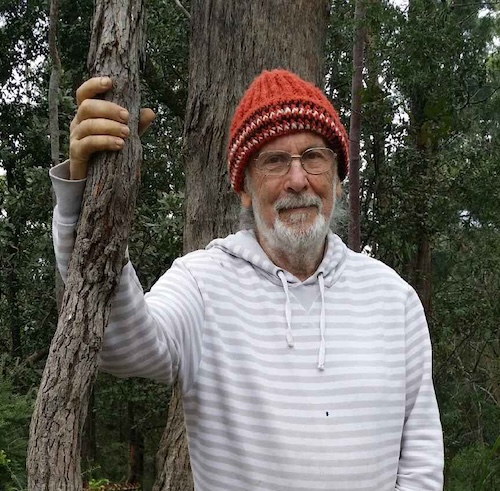
Val Plumwood was an Australian ecofeminist philosopher whose rigorous critique of dualism revealed how Western philosophy’s hierarchical …
“Corruption never has been compulsory; when the cities lie at the monster’s feet there are left the mountains.” — Robinson Jeffers
“Humanity is the mold to break away from, the crust to break through, the coal to break into fire, / The atom to be split.” — Robinson …
“Hurt Hawks cannot be mended: the wild God has turned / His back on them.” — Robinson Jeffers
“I believe that if you just do your little bit without thinking of the bigness of what you stand against, if you turn to the enlargement of your …
“I believe that the universe is one being, all its parts are different expressions of the same energy.” — Robinson Jeffers
“Integrity is wholeness, the greatest beauty is / Organic wholeness, the wholeness of life and things, the divine beauty of the universe. Love …
“Long live freedom and damn the ideologies.” — Robinson Jeffers

Mary Oliver (1935-2019) was an American poet whose accessible nature poetry examined attention to the natural world. Her work invited readers to …
Rainer Maria Rilke (1875-1926) was an Austrian-German poet whose work explored nature, solitude, and human existence. Writing in the early 20th …
Robinson Jeffers (1887-1962) was an American poet whose philosophy of “inhumanism” examined the non-human world and rejected …
“We are the universe becoming conscious of itself” - Brian Swimme
“The beauty of things was born before eyes and sufficient to itself; the heart-breaking beauty / Will remain when there is no heart to break for …
“The tides are in our veins, we still mirror the stars, life is your child, but there is in me / Older and harder than life and more impartial, …
“This coast crying out for tragedy like all beautiful places.” — Robinson Jeffers

Brian Swimme is a mathematical cosmologist and cultural historian who examines the implications of modern cosmology for human meaning and purpose. …

Edward Osborne Wilson (1929-2021) was one of the world’s leading biologists whose groundbreaking research on biodiversity, evolution, and human …

Francis Weller is a psychotherapist, author, and ritual elder who examines connections between grief, ecological crisis, and community healing. …

Francisco Varela (1946-2001) was a Chilean biologist, philosopher, and cognitive scientist who developed theories of autopoiesis and enactive …
Gregory Bateson (1904-1980) was an anthropologist, biologist, and cyberneticist whose groundbreaking work on systems thinking, learning theory, and …

Pierre Teilhard de Chardin (1881-1955) was a Jesuit priest, paleontologist, and visionary thinker who pioneered the integration of evolutionary …

Thomas Berry (1914-2009) was a cultural historian, cosmologist, and self-described “geologian” who examined human-Earth relationships …
This is the first, the wildest and wisest thing I know: that the soul exists, and that it is built entirely out of attentiveness.
“A temperature rise of more than two degrees C risks altering the Earth system irreversibly.” — James Lovelock
“Gaia is a very simple idea: that the Earth works as a single, complex, self-regulating system.” — James Lovelock
“Humanity is not separate from Gaia; we are a part of her body. To harm her is to harm ourselves.” — James Lovelock
“If we go on wrecking the biosphere, our technical and moral loftiness will count for nothing.” — James Lovelock
“Let us hope that humanity will see through science that it must live in harmony with all life, not just exploit it.” — James Lovelock
“Life did not take over the globe by combat but by networking.” — Lynn Margulis Microcosmos (1986)
“Our task is not to save the Earth. She will endure. It is our civilization, our children, who are at risk.” — James Lovelock
“Bacteria are the hidden alchemists of the planet, shaping the atmosphere and the future.” — Lynn Margulis Acquiring Genomes (2002)
“Evolution is not a tree but a web. Symbiosis is the driving force.” — Lynn Margulis Acquiring Genomes (2002)
“Symbiosis is not marginal. It is the key to evolution and survival.” — Lynn Margulis Acquiring Genomes (2002)
“The human body is not a single being but a consortium of species.” — Lynn Margulis Symbiotic Planet (1998)
“To understand life, we must understand the partnerships that make it possible.” — Lynn Margulis Microcosmos (1986)
“We are walking communities of microbes, proof that cooperation drives life forward.” — Lynn Margulis Symbiotic Planet (1998)
“All living beings have intrinsic value.” – Arne Naess
“Deep ecology asks for a radical rethinking of values, not only technology.” – Arne Naess
“Identification, not moralizing, often leads to beautiful actions.” – Arne Naess
“Intrinsic value is independent of usefulness to humans.” – Arne Naess
“Quality of life is not reducible to higher material standards.” – Arne Naess
“Self-realization means widening the self: identification with a larger Self.” – Arne Naess
“Self-realization often leads us to protect what we identify with.” – Arne Naess
“The flourishing of life requires respecting richness and diversity.” – Arne Naess
“The richness and diversity of life contribute to quality of life.” – Arne Naess
“The ultimate aims of deep ecology can be summarized in a simple imperative: maximize self-realization! In other words, maximize our potential …
“Gaia is a tough bitch: she has endured cataclysmic change for billions of years.” — Lynn Margulis Symbiotic Planet (1998)
“All the world’s systems are interconnected; nothing exists in isolation.” – Joanna Macy Source: World as Lover, World as Self (1991)
“Despair and gratitude can coexist; embracing both expands our capacity to act.” – Joanna Macy Source: Despair and Personal Power in the …
“Grace happens when we act with others on behalf of our world.” – Joanna Macy Source: Journey On in Peace (Crossing the Boundary)
“If the world is to be healed through human efforts, I am convinced it will be by ordinary people…” – Joanna Macy Source: Active …
“It is my experience that the world itself has a role to play in our liberation…” – Joanna Macy Source: On Being with our World …
“The heart that breaks open can contain the whole universe.” – Joanna Macy Source: Despair and Personal Power in the Nuclear Age (1983)
“The sorrow, grief, and rage you feel is a measure of your humanity and your evolutionary maturity…” – Joanna Macy Source: Greening …
“The work that reconnects helps us transform despair into constructive action.” – Joanna Macy Source: Active Hope: How to Face the Mess …
“We are our world knowing itself. We can relinquish our separateness…” – Joanna Macy Source: World as Lover, World as Self (1991)
“When you look at what is happening to our world-and it is hard to look at what’s happening to our water, our air, our trees, our fellow …
“The Gaia hypothesis tells us that life and the Earth are inseparable, two sides of one great process.” — James Lovelock
“The planet we abuse will find ways to restore balance, but not necessarily in ways that are kind to us.” — James Lovelock
“We are part of Gaia’s experiment. Whether we remain part of her future depends on how we live now.” — James Lovelock
“We have to accept that we are modest parts of the functioning of Earth, not its masters.” — James Lovelock
“We need to see ourselves not as stewards of nature, but as participants in a vast, living system.” — James Lovelock
“Deep ecology looks at the spiritual disease that underlies the environmental crisis: the illusion of separation between humans and the rest of …
“The earth seems to be beseeching us to connect with joy and discover our innermost essence. This is the best way that we can benefit others.” – Pema …
Friday 1 – Sunday 3 August 2025, 4pm AEST to 4pm. An in-person Deep Ecology workshop with John Seed, Kiran Kashyap, Erika Aligno and Sol Blackwood at …
Saturday 28 June, 9am – Sunday 29 June, 4pm 2025. An in-person Deep Ecology workshop with John Seed, Tema Milstein and Erika Aligno, held alongside …
Friday 11 – Sunday 13 April 2025, 4pm to 4pm. An in-person Deep Ecology workshop with John Seed, Erika Aligno, Sally Novak and Nirmala Rose at Narara …

Ailton Krenak (born 1953) is a Brazilian indigenous intellectual, environmental activist, and leader of the Krenak people of Minas Gerais. He …

Robin Wall Kimmerer is a botanist, author, and distinguished professor at the State University of New York College of Environmental Science and …

Vandana Shiva (born 1952) is an Indian physicist, environmental activist, and author who advocates for biodiversity, traditional agriculture, and …
Tuesday 3 December 2024, online. An experiential online conversation exploring deep ecology and Buddhist philosophy, co-facilitated by Inna Alex and …
Friday 15 – Sunday 17 November 2024, 4pm to 4pm. An in-person Deep Ecology workshop with John Seed, Tema Milstein, Jane Lynch and Olivia Kirk at …
Wednesday 13 November 2024, 7:00pm – 9:15pm NZDT. An in-person evening of Despair & Empowerment work for healing our world, facilitated by Inna …
“When you wake up and see that the Earth is not just the environment, the Earth is in you, you are the Earth, you touch the nature of interbeing” - …
Friday 7 – Sunday 9 June 2024, 4pm to 4pm. An in-person Deep Ecology workshop with John Seed at Arcoora Arts and Ecology Training Ground near Kyogle, …
Friday 22 – Sunday 24 March 2024, 4pm to 4pm. An in-person Deep Ecology workshop with John Seed, Tema Milstein, Erika Aligno and Seth Hinkley at …

[ Pat has been has been facilitating Deep Ecology and the Work that Reconnects workshops, and giving talks, trainings and webinars in a number of …

Patrick Anderson is a forest activist and student of Buddhism. Since the 1980’s he has participated in and occasionally led Deep Ecology …
Through deep experience, deep questioning and deep commitment emerges deep ecology By Stephan Harding * IN THE 1960s, HAVING read Rachel Carson’s …
Transcript of John Seed’s spoken introduction to a live Cosmic Walk, August 2023. Companion piece to The Cosmic Spiral, the ritual script …

Arne Naess was a Norwegian philosopher who coined the term “deep ecology” in 1973, fundamentally reshaping environmental thought and …

Elisabet Sahtouris is an American and Greek evolution biologist, futurist, and author whose work emphasises how cooperation and symbiosis, rather …

James Ephraim Lovelock (1919-2022) was an independent scientist who formulated the Gaia hypothesis in the early 1970s. Working outside academic …

Joanna Macy (1929-2025) was a scholar of Buddhism, general systems theory, and deep ecology. Born in Los Angeles, she earned her PhD and spent five …

John Seed is an Australian environmental activist who co-created the Council of All Beings practice and founded the Rainforest Information Centre. …
Lynn Margulis (1938-2011) was an American evolutionary biologist whose endosymbiotic theory proposed that complex cells arose through symbiotic …

Pat Fleming is a deep ecology facilitator who co-authored Thinking Like a Mountain (1988) with John Seed, Joanna Macy, and Arne Naess. She has …
“The smaller one comes to feel compared to the mountain, the nearer one comes to sharing in its greatness. I don’t know why this is so.” - Arne Naess …
“Care flows naturally if the self is widened and deepened so that protection of free nature is felt and conceived of as protection of our very …
“Now is the time to share with all life on our maltreated earth by deepening our identification with all life-forms, with the ecosystems, and with …
“All life is interdependent; we cannot survive without the web of relationships that sustain us.” – Joanna Macy Source: Coming Back to …
“Hope is not a lottery ticket you can sit on the sofa and clutch, feeling lucky. It is an active engagement.” – Joanna Macy Source: Active …
“Of all the dangers we face, from climate chaos to nuclear war, none is so great as the deadening of our response.” - Joanna Macy —
“The more we open our hearts to the pain of the world, the more we are able to act effectively.” – Joanna Macy Source: The Work That …
“We don’t have to surrender our individuality to be part of a collective movement.” – Joanna Macy Source: Active Hope, 2007
“When we face our fears, we discover hidden strengths we never knew we had.” – Joanna Macy Source: The Work That Reconnects, 1998
“once we realize that the nature within and the nature without are continuous, then we too may share and manifest the exquisite beauty and effortless …
“The fundamental insight of deep ecology is that underlying all of the symptoms of environmental problems, there is the illusion of separation between …
“Hope is important because it can make the present moment less difficult to bear. If we believe that tomorrow will be better, we can bear a …
“If we believe that happiness is possible only when we have no suffering, we will never have happiness. Happiness is not the absence of …
“It is possible to be joyful and peaceful even while we work for change. Hope is important, but it is not enough. We must also be peace and joy …
“Real change will only happen when we fall in love with the Earth. Falling in love means to see her beauty, to touch her deeply and to rejoice …
“The Earth is not just our environment. We are the Earth and we are always carrying her within us. We need to wake up and realize that the Earth …
“The miracle is not to walk on water. The miracle is to walk on the green Earth in the present moment and appreciate the peace and beauty that …
“The next Buddha may take the form of a community, a community practicing understanding and loving kindness, a community showing the way to …
“We are here to awaken from the illusion of our separateness. When we realize that everything we do affects the whole, love and responsibility …
“We need to consume in such a way that keeps our compassion alive. Reducing consumption is the way to reduce violence toward ourselves and the …
“When we walk on the Earth with awareness, every step is a prayer of healing. Touching the ground deeply, we heal ourselves and the …
“When you plant lettuce, if it does not grow well, you do not blame the lettuce. In the same way, do not blame yourself or others. Nourish …
“You carry Mother Earth within you. She is not outside of you. Mother Earth is not just your environment. When you are mindful of the Earth, you …
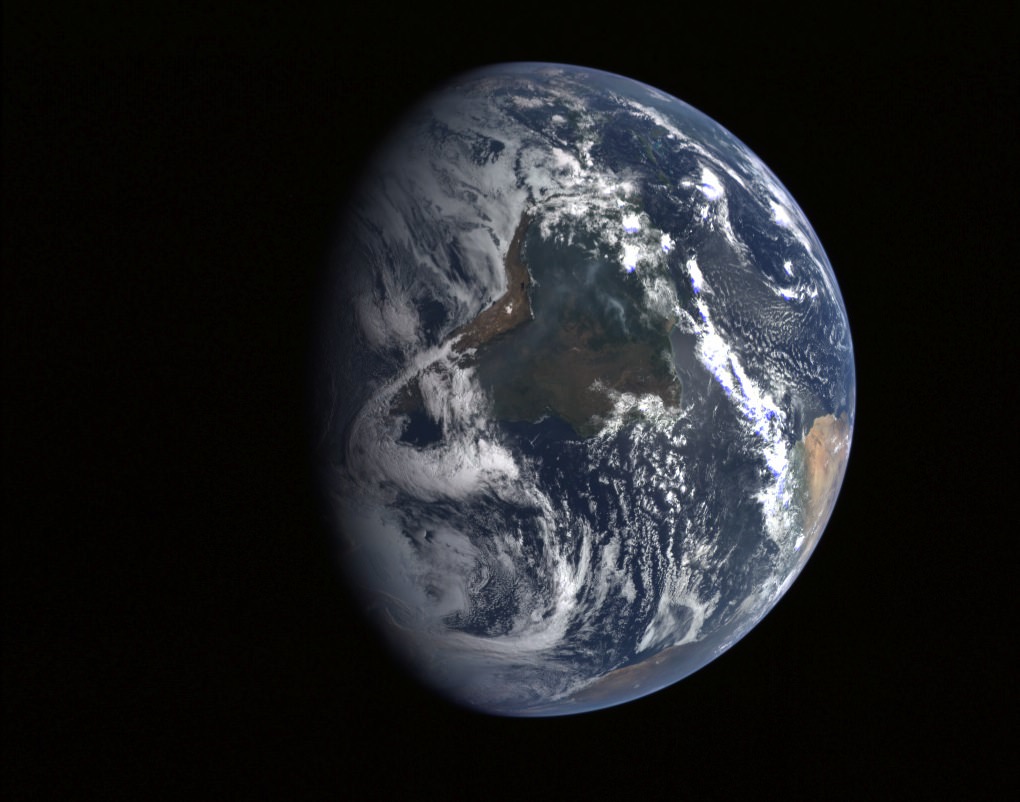
“It is only that tiny planet with its shades of blue and white that is our home, that welcomes us. We are living in our home, but we do not treasure …

“The Ages of Gaia – A Biography of Our Living Earth” – by James Lovelock 1989, Oxford University Press. In this excellent volume James Lovelock …
MenAware New England National Park, NSW Wednesday 31 May – Sunday 4 June 2023 “I recall times in this life when I’ve quietly grieved an absence of …
Friday 31 March – Sunday 2 April 2023, 4pm both days. An in-person Deep Ecology workshop co-facilitated by John Seed, Genna Ward, and Patrick Anderson …

Government Huts, Mount Field National Park, Tasmania Sunday 5 – Thursday 9 February 2023 _With Ronny Hickel _ On this nature retreat we will be …
Friday 25 – Sunday 27 November 2022, 4pm to 4pm. An in-person, immersive Deep Ecology workshop with John Seed, exploring the philosophy and practices …

Fri 21st Oct 2022 – Sun 23rd Oct 2022 AEDT The Rainforest Information Centre presents an in-person, immersive DEEP ECOLOGY workshop with John Seed …

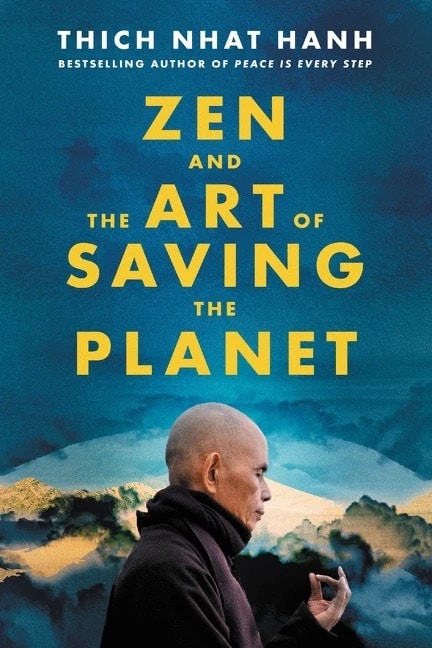
A recent posthumous release from the not-for profit publisher Parralax Press: “Zen and The Art of Saving The Planet“. This book is a gem, filled with …

**Yuraygir National Park, Northern NSW Thursday 6 – Sunday 9 October** 2022 _With Ken Golding & Brother Tenzin _(Alex Anderson) This MenAware …
https://youtu.be/QPdxrrg_Frw “Deep ecology is a key to the change we need. To deep ecology, underlying all the symptoms of the environmental crisis …
An interview with John Seed on the For The Wild Podcast What could our reality look like if we had not grown up in a society so deeply committed to an …

Trephina Gorge – East MacDonnell Ranges NP, Northern Territory Saturday 23 – Thursday 28 July with Ronny Hickel This nature retreat will take us to …
https://youtu.be/_e_liXJf5aQ A tale of endangered species featuring David Attenborough, David Suzuki, David Bellamy, Jack Thompson, Olivia Newton …

The recording below consists of a 45 minute guided meditation and visualisation exploring the story of cosmogenesis also known as “The Universe …
The Trumpeter ISSN: 0832-6193 Volume 22, Number 2 (2006) The Ecological Self John Seed In this article John explores some of the key issues in deep …
The following recording consist of a guided body scan and total relaxation. This practice builds on the embodied awareness and breath meditations …
From our birth until our last moment of life, the breath is with us, a rhythmic connection between the inner and outer. While there is a basic …
The recording below consists of an introduction to the practice of “Breathing Through” developed by Joanna Macy, here guided by Buddhist monk Ven. …
The following recording follows on from a previous offering which introduced basic postural awareness, helpful in sitting meditation. This practice …
The recording below is a brief introduction to the embodied practice of Mindful Walking, drawing on insights and instructions from the Buddhist …
The following recording is an introduction to the embodied practice of sitting meditation, preliminary to a practice of Mindfulness of Breathing. …

SUNDAY, MAY 29, 2022 AT 2:30 PM – 4:45 PM UTC+10 How to face the mess we’re in without going crazy? DEEP ECOLOGY Online Workshop in the Work That …

Eshana is a pioneer in the field of ecopsychology, and has been facilitating deep ecology workshops and the Council of All Beings since the …

Inna Alex is a passionate deep ecology facilitator, community organizer, and sustainable living educator. Her earth-based lifestyle in Tui Community, …

Tenzin Alex Anderson began his path toward Deep Ecology with a doctorate researching the impacts of Climate Change on rainforest biodiversity. …

The Sea Around Us is a prize-winning and best-selling book by the American marine biologist Rachel Carson, first published as a whole by Oxford …

John Seed is founder and director of the Rainforest Information Centre in Australia. Since 1979 he has been involved in the direct actions which have …

“An enduring classic of the environmental movement, Joanna Macy’s poetic, groundbreaking call to action is poised to inspire a new generation“ …

**Bald Rock National Park, Northern NSW Wednesday 11 – Sunday 15 May** with Ken Golding & Ronny Hickel The annual MenAware Nature Retreat will …
Our Philosophy page describes Arne Naess’s call for “therapies which heal our relations with the widest community, that of all living …
Joanna Macy offers the following practice as part of the preparatory work for the “Honouring our Pain for the world” component of The Work That …
Back in 2021, this helpful article about deep ecology was published on treehugger.com. It in includes an overview of the history of the movement, as …
“The deep ecology movement, which began with Arne Naess’ introduction of the term in 1972, is compared with other movements for social responsibility …
https://www.youtube.com/watch?v=YMSq9EOU2JY&list=PLuxO8kkii2s3ue5C-r027aT0GzqFqkeL7&t=2s Film produced and directed by Ruth Rosenhoek Vandana …
From the Rainforest Information Centre archives — a letter exchange between Harsh Prabhu and John Seed on the influence of Mohandas Gandhi on the …
For a transcript of this informative interview see below: [https://www.context.org/iclib/ic22/zimmrman/] A philosophy is, among other things, a system …
https://www.abc.net.au/radionational/programs/philosopherszone/philosophy-in-the-mountains—arne-naess/3176186 “Arne Næss, who died in January just a …

Vimala Thakar (1921-2009) was an Indian philosopher, social activist, and spiritual teacher who pioneered the integration of meditative inquiry with …
Audio of an interview with Alan Drengson from Greenradio on youtube, R. Alan Drengson explains the origins and principles of the deep ecology …

The challenges we face can be difficult to even think about. Climate change, pandemic uncertainty, extreme inequality, economic upheaval, and mass …
Below is a great example of deep-space connection, similar to that which we try to access through processes such as “earth as peppercorn”. Thanks to …
Everything ported into the “Honouring Our Pain for the World” section of this site — the Truth Mandala, the Mourning — has one direct …
In the Truth Mandala process, it’s common for participants to observe that while there is a quadrant for Doubt, Fear, Anger and Sadness, there …
Rather than offering its own analysis of causes and solutions for the crises of our time, the Work That Reconnects invites us to take a fresh look at …
“The Thousand-Yard Model, or The Earth as a Peppercorn” — © 1989 Guy Ottewell, published by Universal Workshop. Reproduced here with …
The following is excerpted from the website of the Work That Reconnects Network The Spiral of the Work That Reconnects The Work That Reconnects, based …
“As if this simplicity and inaccessibility were not enough, Næss built, with his own hands, a three-by-three-meter refuge some 200 meters higher …
“The emergence of ecologists from their former relative obscurity marks a turning point in our scientific communities. Their message, however, …
In April 1984, during the advent of Spring and John Muir’s birthday, George Sessions and Arne Næss summarized fifteen years of thinking on the …
A “going forth” exercise for the very end of a workshop. Source: rainforestinfo.org.au/deep-eco/letter from gaia.htm. This is a great …
From Coming Back to Life by Joanna Macy & Molly Brown (2nd ed., 2014, Chapter 10). Full instructions and further resources at the Work That …
Gratitude as a Revolutionary Act (Joanna Macy, 2006) is a training video made as a companion to Coming Back to Life, for facilitators — both those new …
Paraphrased summary of Chapter 6 of Coming Back to Life (Joanna Macy & Molly Brown, 2nd ed., 2014). Full teaching points at the Work That …
Breathing With Trees asks a simple thing: sit or stand with a plant, and breathe deliberately, attending to the literal exchange of oxygen and carbon …

https://www.youtube.com/watch?v=Wf3cXTAqS2M For a full transcript of the Interview with Arne Naess in this documentary visit: …

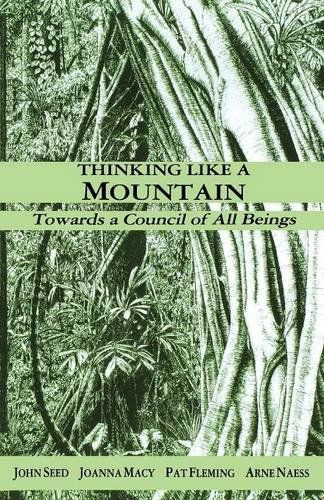
This post holds an HTML version of the text of the book “Thinking Like A Mountain – Towards a Council of All Beings”. Published in 1988, this seminal …
From World as Lover, World as Self (Joanna Macy, Parallax Press, 1991). For more of Joanna’s own telling and context, see the Work That …
This post displays a visual version of the “Cosmic walk” group process, a journey that spirals through deep time from the birth of the cosmos to the …
The full text of the Council of All Beings Workshop Manual, prepared by Eshana (Elizabeth Bragg, PhD) in January 1998 with updates through February …
By Joanna Macy, Ph.D. Written for The Encyclopedia of Religion and Nature. Full source page: rainforestinfo.org.au/deep-eco/Joanna Macy.htm. The …
This is Joanna Macy’s own version of tonglen, the Tibetan Buddhist practice of breathing in suffering and breathing out ease. In her written …
Below is a script and set of instructions in brief for the Council of All Beings process, excerpted from the facilitator’s manual and John …
Joanna Macy’s Truth Mandala, reproduced from Coming Back to Life (Macy & Brown, 1998). The dominant “Honouring Our Pain for the …

A facilitation script by John Seed, shared with permission as part of the Council of All Beings process he developed with Joanna Macy, Pat Fleming and …
Earth Anatomy for Gaeans Richard W. Ely Those of us who follow Earth-centered spiritual paths need to have a scientific as well as a spiritual …
Transcribed by Chris Lehman from the Council of All Beings workshop at Northern Pines Lodge, Maine, USA, 24–25 October 1992, and reproduced here as …
A facilitation note by John Seed, drawing directly on Joanna Macy’s Despair and Empowerment work. These days the Truth Mandala, is usually used, …
by John Seed In the fourth World Rainforest Report, Queensland zoologist Peter Dwyer noted that the New Guinea highlanders find the rainforest …

A song about our Origins and cosmic story written by Theo Simons of the band Seize the Day (http://www.seizetheday.org/music.cfm?…), and sung here by …

I"f we enter the rainforest and allow our energies to merge with the energies we find there, I found, a most profound change in consciousness …
Produced & Directed by Jeni Kendall Cameraman – Paul Tait ©1980 Gaia Films This 1980 documentary tells the story of the first eco-blockade in the …

https://youtu.be/i_uJFzXlyNQ In May 2014, blockades by monks and indigenous farmers in Cambodia prevented Sinohydro from commencing work to dam the …

This is the ritual script John Seed has used since 2012, adapted with thanks to Sister Miriam Therese McGillis (Genesis Farm, New Jersey) and Ruth …
Below you will find an embedded PDF version of the seminal book by John Seed, Joanna Macy, Pat Fleming and Arne Naess which gave rise to the “Council …
Excerpt: “Lisa: I thought our conversation could follow the Work That Reconnect’s spiral; so what, in this day and age, after all this time of doing …
By Theodore Roszak excerpt from “The Voice of the Earth by Theodore Roszak - Simon Schuster 1992 In the post-Earth Summit era it is becoming …
In this video, filmed in the spring of 2005, John Seed performs some songs and poems. He also offers detailed introductions to some of the group …
https://www.youtube.com/watch?v=T3ewikJxt8Y Arunachala is a sacred mountain near Tiruvanamalai in southern India. Seen as a manifestation of the god …
For more information visit: www.aldoleopold.org “A deep chesty bawl echoes from rimrock to rimrock, rolls down the mountain, and fades into the far …
Excerpt from the book “Thinking Like a Mountain – Towards a Council of All Beings” for the full text visit: Book: “Thinking like a Mountain …

Today The Story of the Universe is being told as our sacred Story. The Flaring Forth continues as this moment, as us, as one. Cosmic Walker says “And …

52 years ago Earth is seen as Whole from space. The Earth becomes complex enough to witness her own integral beauty. Part of the Cosmic Walk timeline …

60 years ago, humans discover DNA, life’s common language. Part of the Cosmic Walk timeline — a walk through 13.7 billion years of cosmic and Earth …

85 years ago, empirical evidence of an Expanding Universe is discovered. For the first time humans are aware they live in a developing universe. Part …

250 years ago, scientists begin to calculate the Age of the Earth. Humans try to understand how old the Earth is through empirical observations. Part …

3000 years ago, Classical Religions emerge. Hinduism, Confucianism, Judaism, Buddhism, Christianity, Islam. Each of these traditions holds a story of …

100 thousand years ago, Modern Humans emerge. Language, shamanic and goddess religions, and art become integral with human life. Part of the Cosmic …

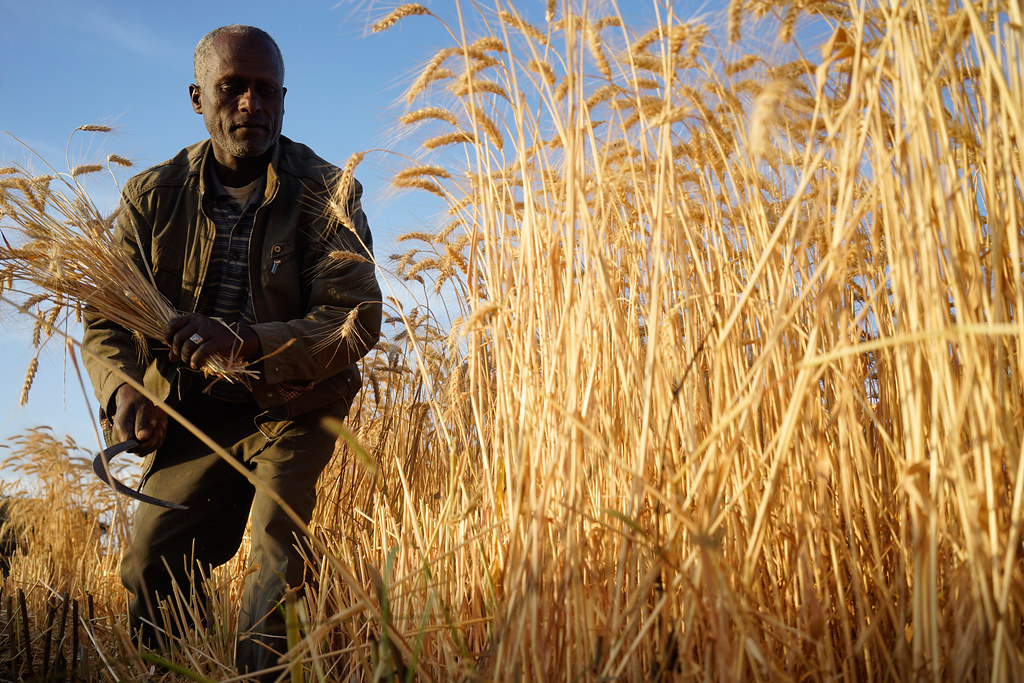
11000 years ago, Agriculture is invented. Humans begin to shape the environment. First thought to have arisen in the “Fertile Crescent” between the …

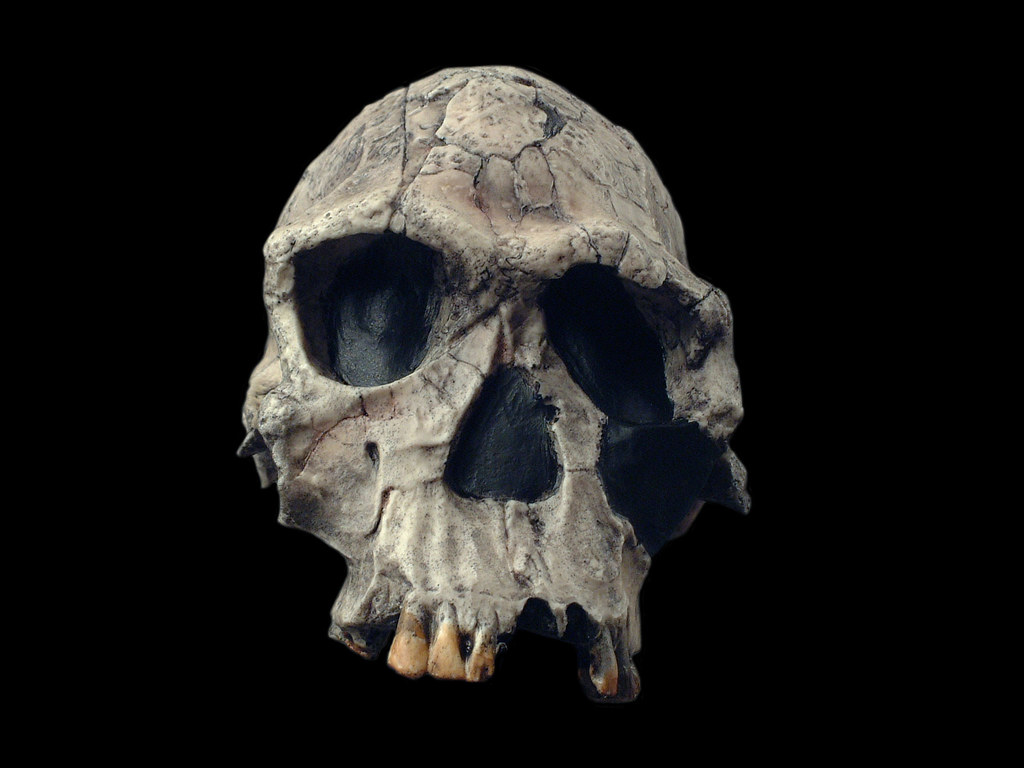
4 million years ago, Hominids leave the forest, stand up, and walk on two legs. The savannah offers the challenges and opportunities for these early …

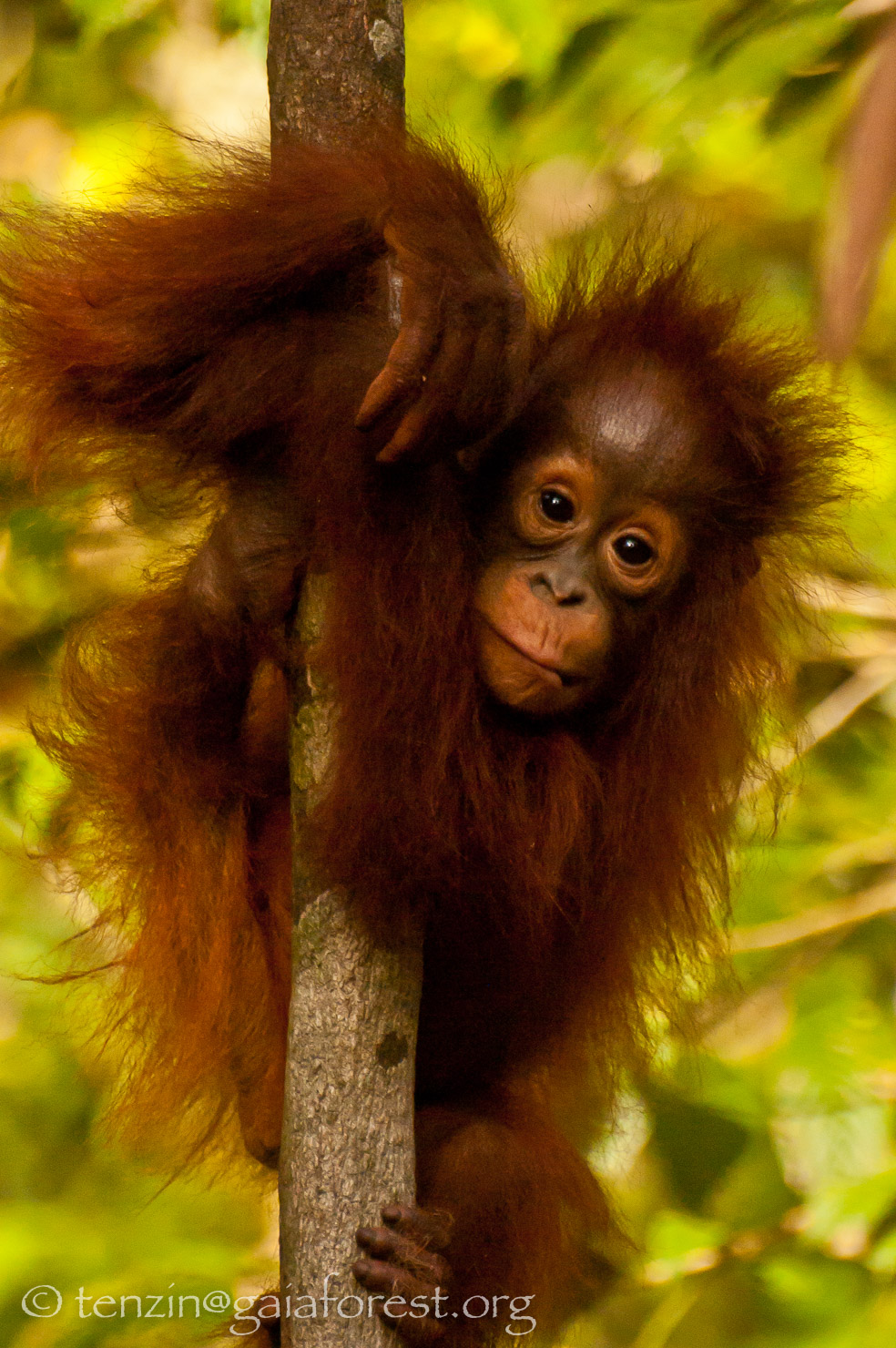
Over the course of the next 60 million years Earth greets rodents, whales, monkeys, horses, cats and dogs, antelopes, gibbons, grazing animals, …

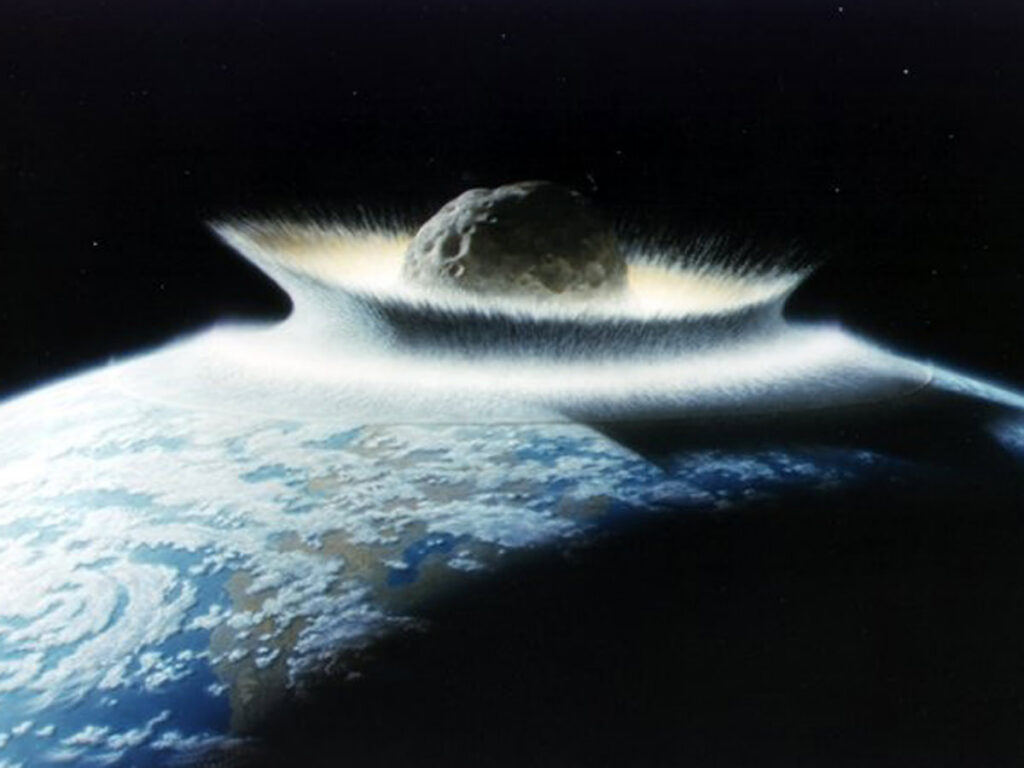
65 million years ago – Shortly after primates appear on the scene, the Cretaceous period ends with the 6th mass extinction after an asteroid 6 miles …

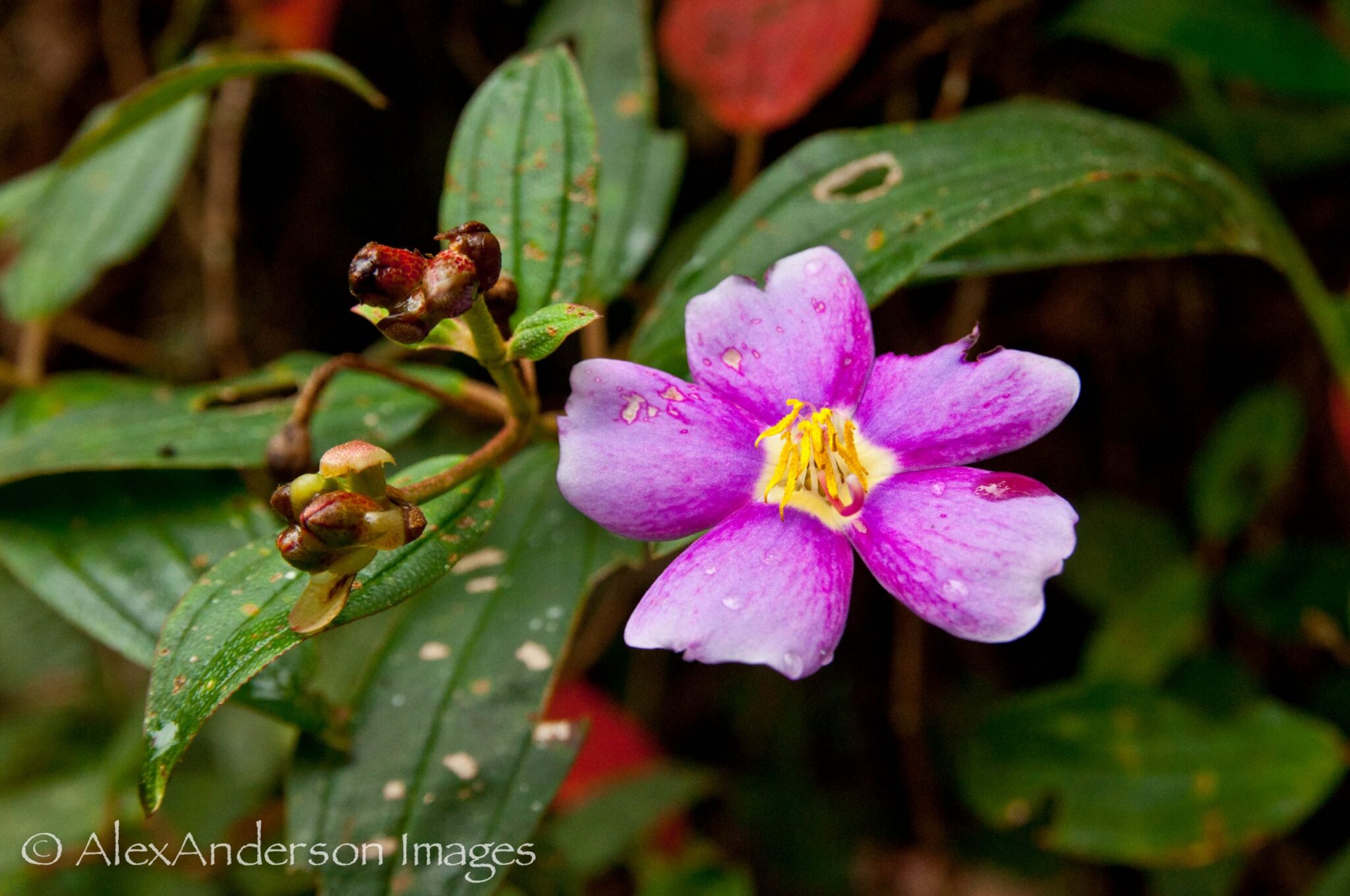
114 million years ago, Flowers evolve gorgeous and overt sexual organs, making themselves irresistible to insects by way of colours, perfumes, and …

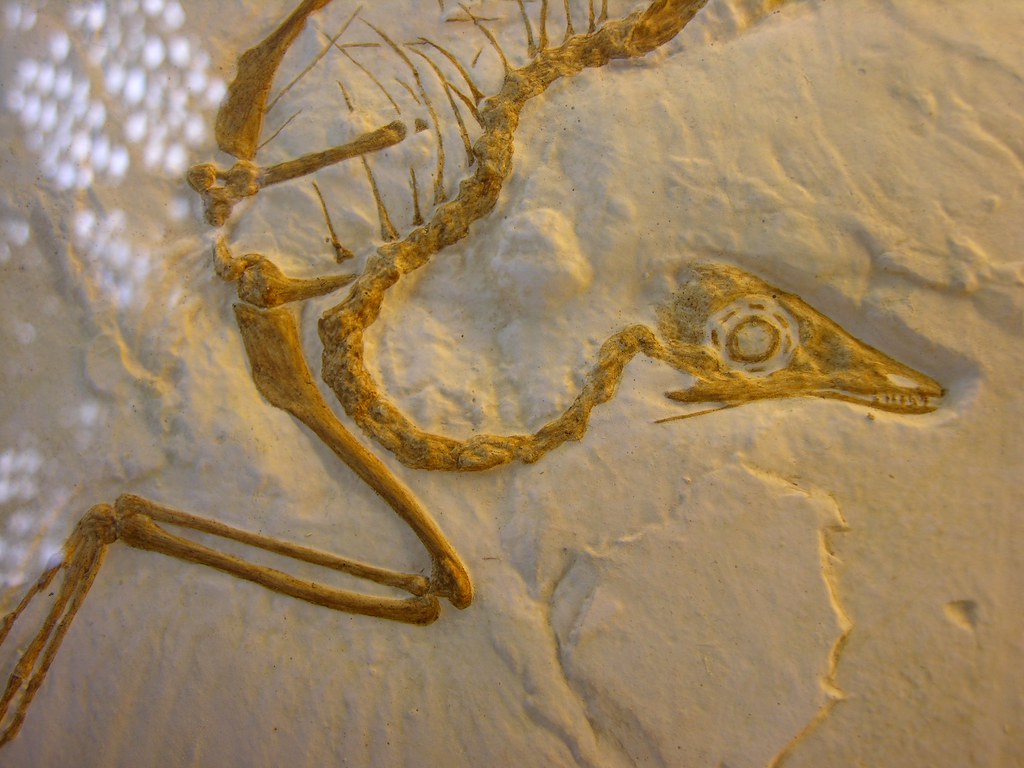
150 million years ago. Birds emerge, a direct descendant of the dinosaur as leg bones evolve into wing bones, jawbones into beaks and scales into …

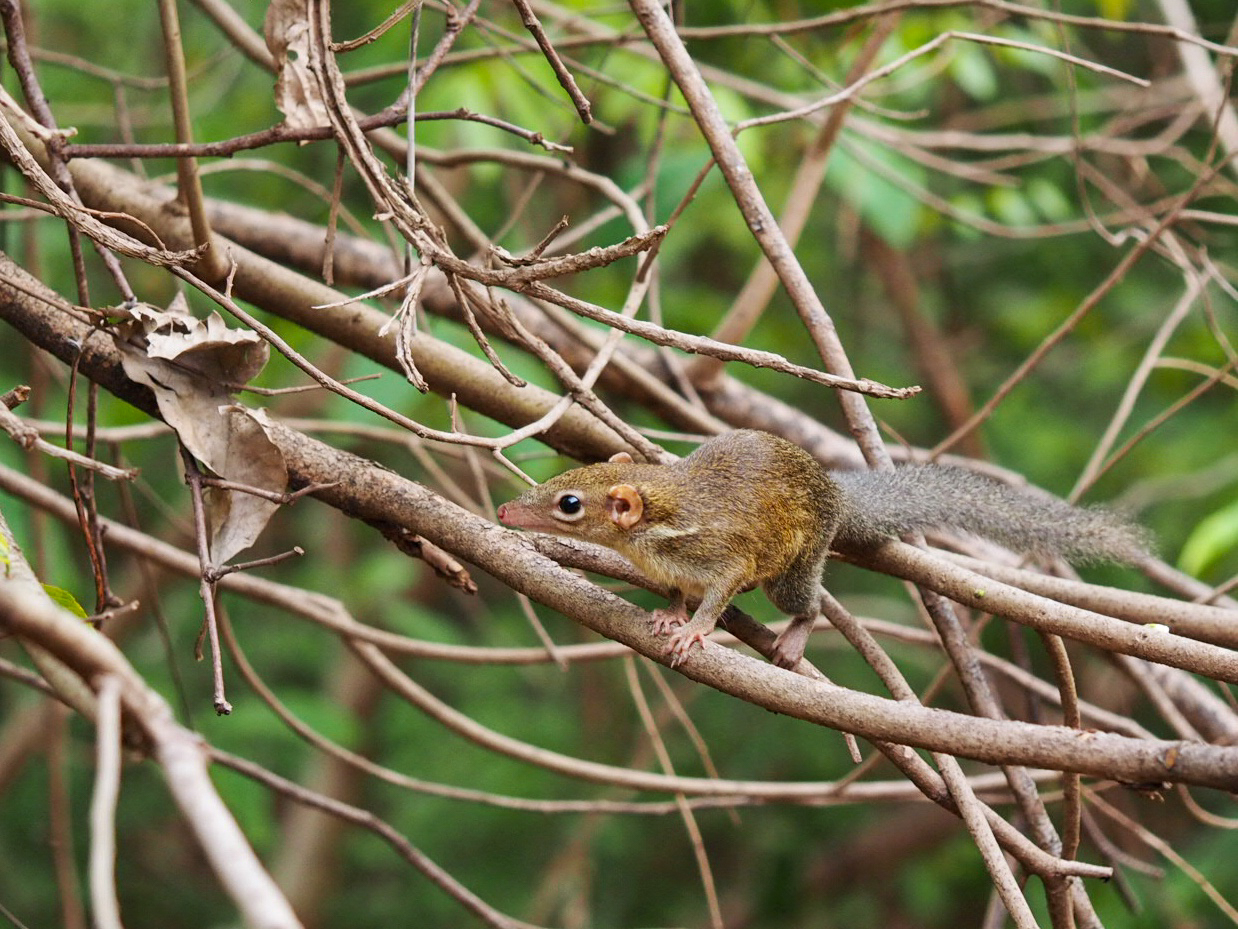
225 million years ago, the first mammals, small and nocturnal, jump, climb, swing, and swim through a world of giants. Some rodent-sized …

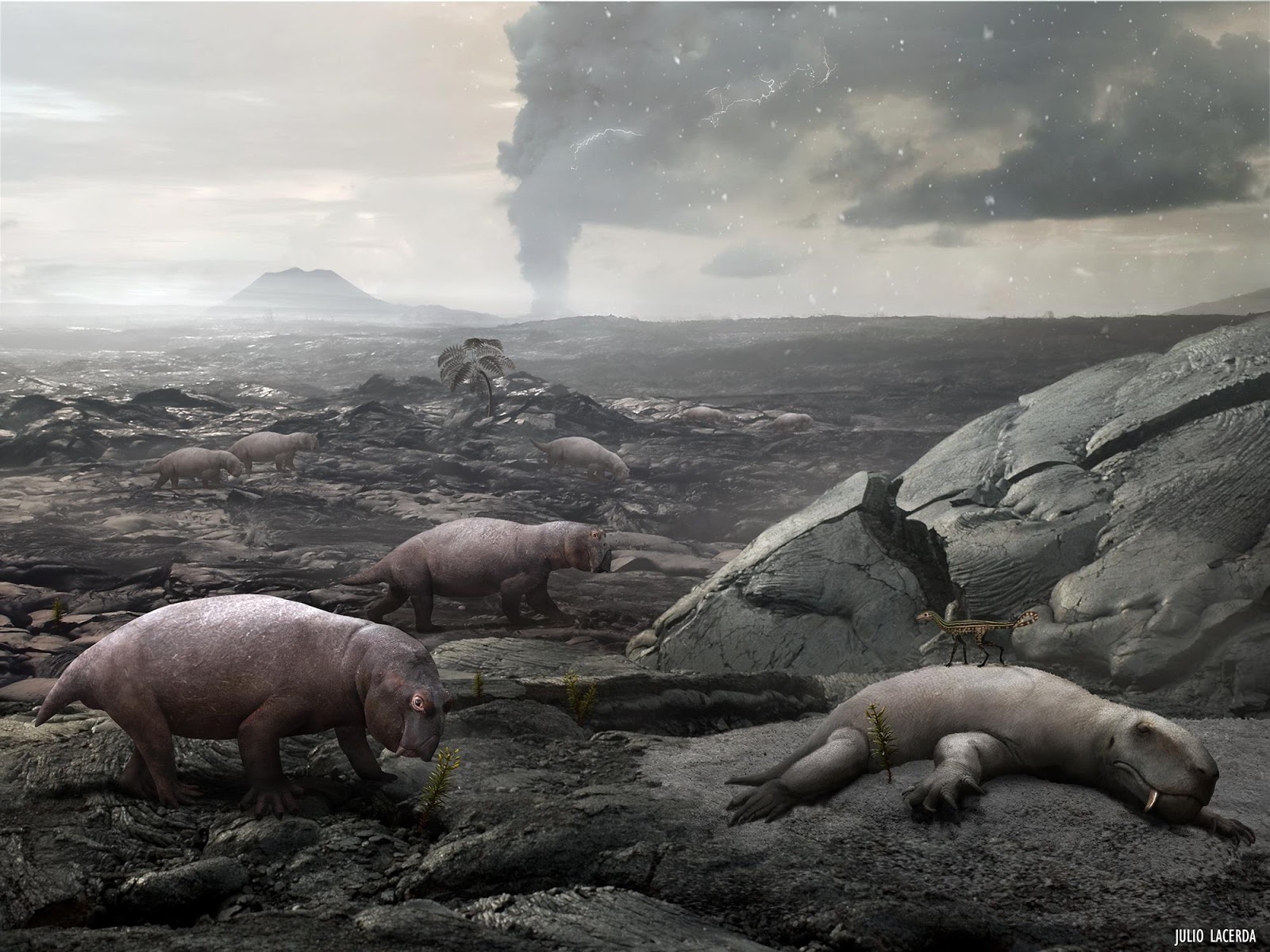
235 million years ago sees the end of the Permian period when the 4th and greatest mass extinction of life on Earth takes place. Trilobites and many …

335 Million years ago, the first subtropical forests evolve. Over generations, these forests load themselves with carbon extracted from the …

395 million years ago – The first amphibian animals hop and lumber onto land, trading in their gill slits for air-breathing lungs, transforming fins …

460 million years ago – Leaving the water, animals such as worms and mollusks and crustaceans seek the adventure of weather and gravity. Algae and …

600 million years ago, light sensitive eyespots evolve into eyesight, perhaps in an ancestor of the trilobite. The Earth sees herself for the first …

700 million years ago, the first Multicellular Organisms emerge. Some organisms begin living together in colonies, finding ways to communicate with …

1 billion years ago, increasingly, predator organisms learn to use the complex biomolecules of their prey organisms, thereby saving themselves the …

1.5 billion years ago, crisis conditions arise such as food shortages, lack of moisture and extreme temperatures. Hungry ancestral organisms learn to …

2 billion years ago, despite the enormous drag of its tidal seas the planet is still spinning fast. Each day – one revolution – lasts only about 18 …

2.7 billion years ago, oxygen loving cells emerge! The first global environmental crisis is averted by the creativity of these tiny cellular …

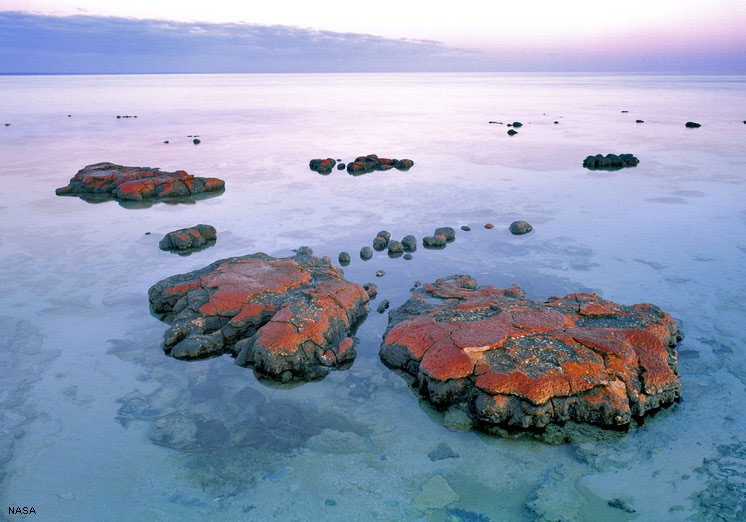
3.9 billion years ago, cells invent Photosynthesis. Small creatures learn to capture the sun and store the energy in chemical bonds. They are able to …

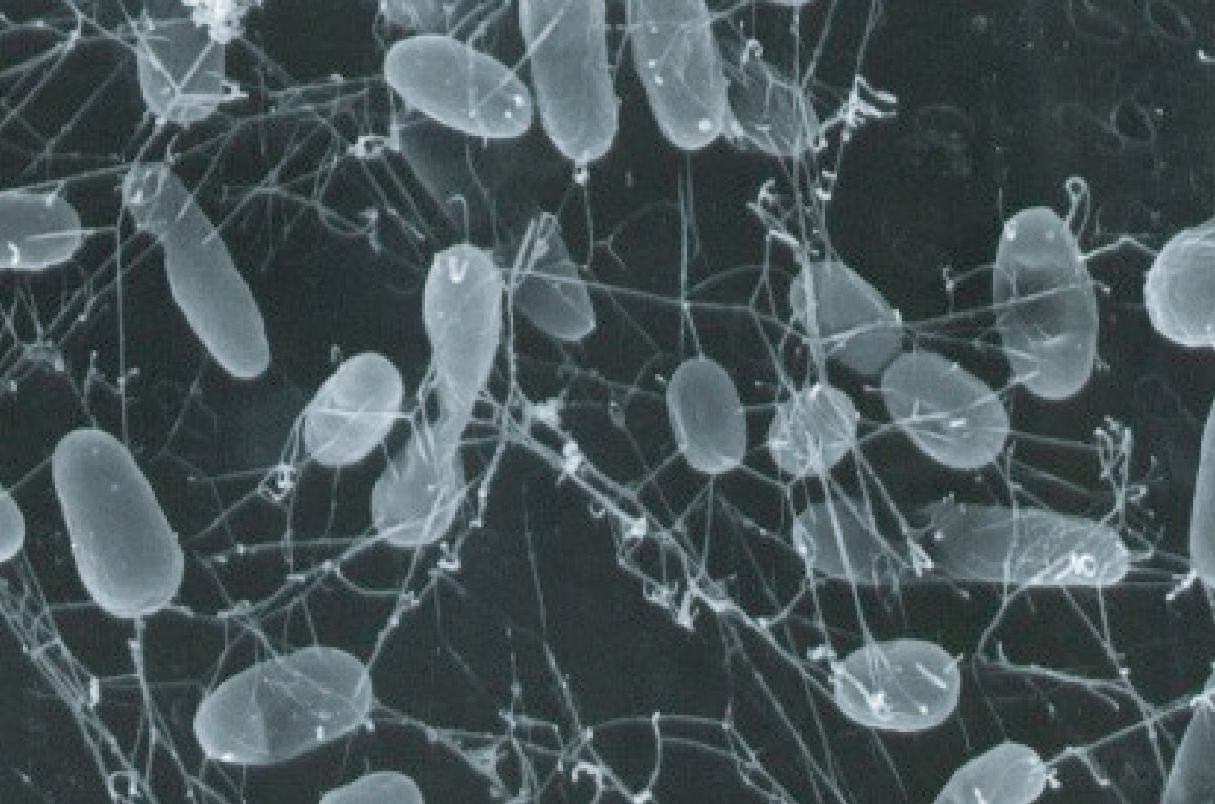
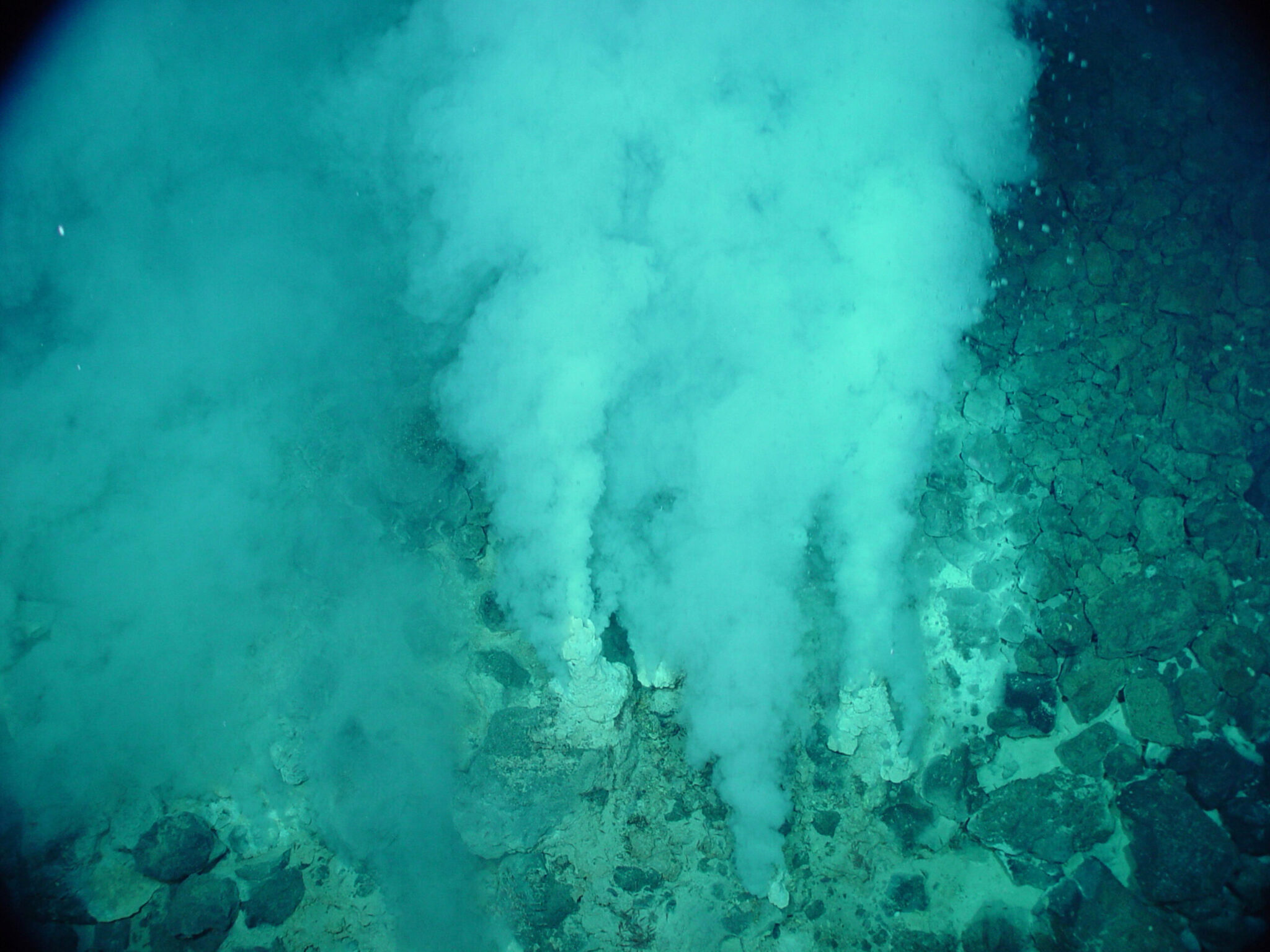
4.28 billion years ago, the rich chemical brew brings forth the wonder of life, as the First Cell emerges. Probably around hydrothermal vents in the …

4.4 – 4.1 billion years ago – Exuberant volcanoes expel hotly agitated deep earth to the surface. Over hundreds of millions of years, Earth has grown …

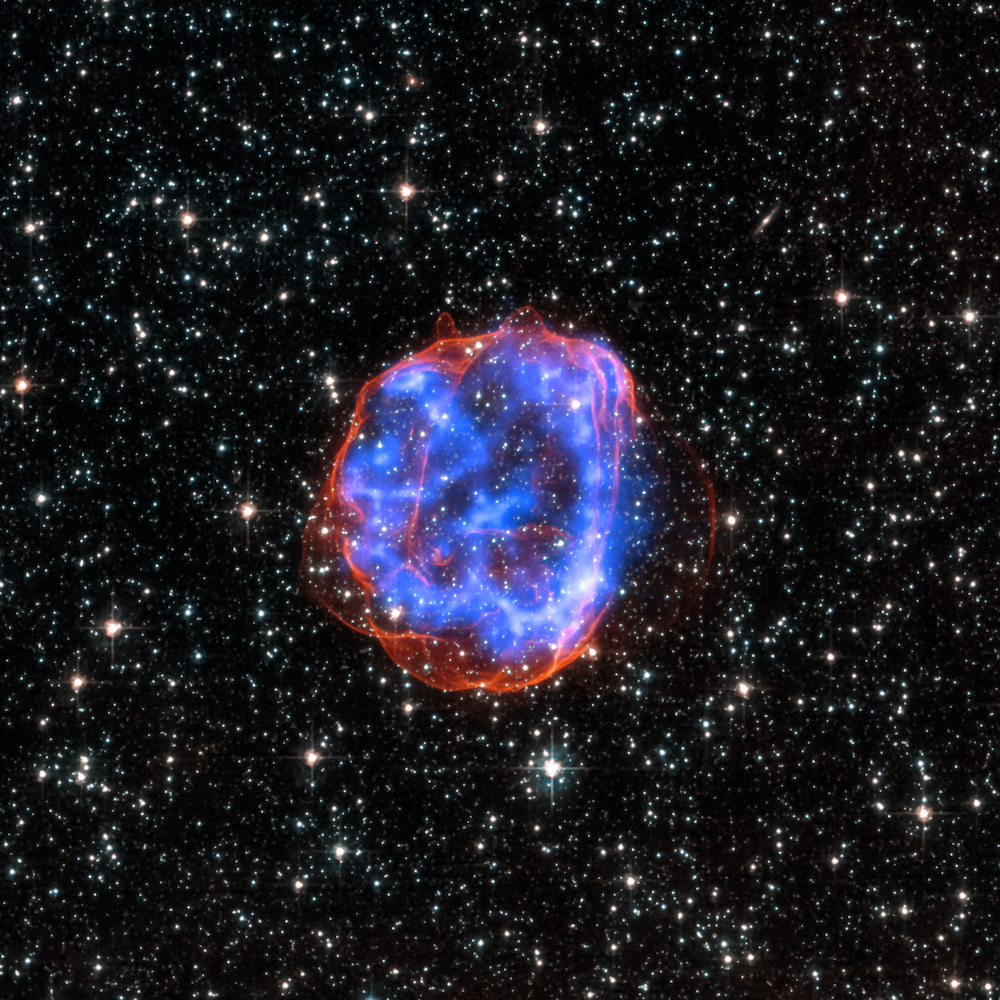
4.5 billion years ago, our Solar System forms from the remains of the supernova explosion.The sun and a great disk of matter emerge—all the planets …

8 billion years later, 4.6 billion years ago, our Grandmother Star becomes a supernova.She gives up her life in an explosion of possibilities . She …

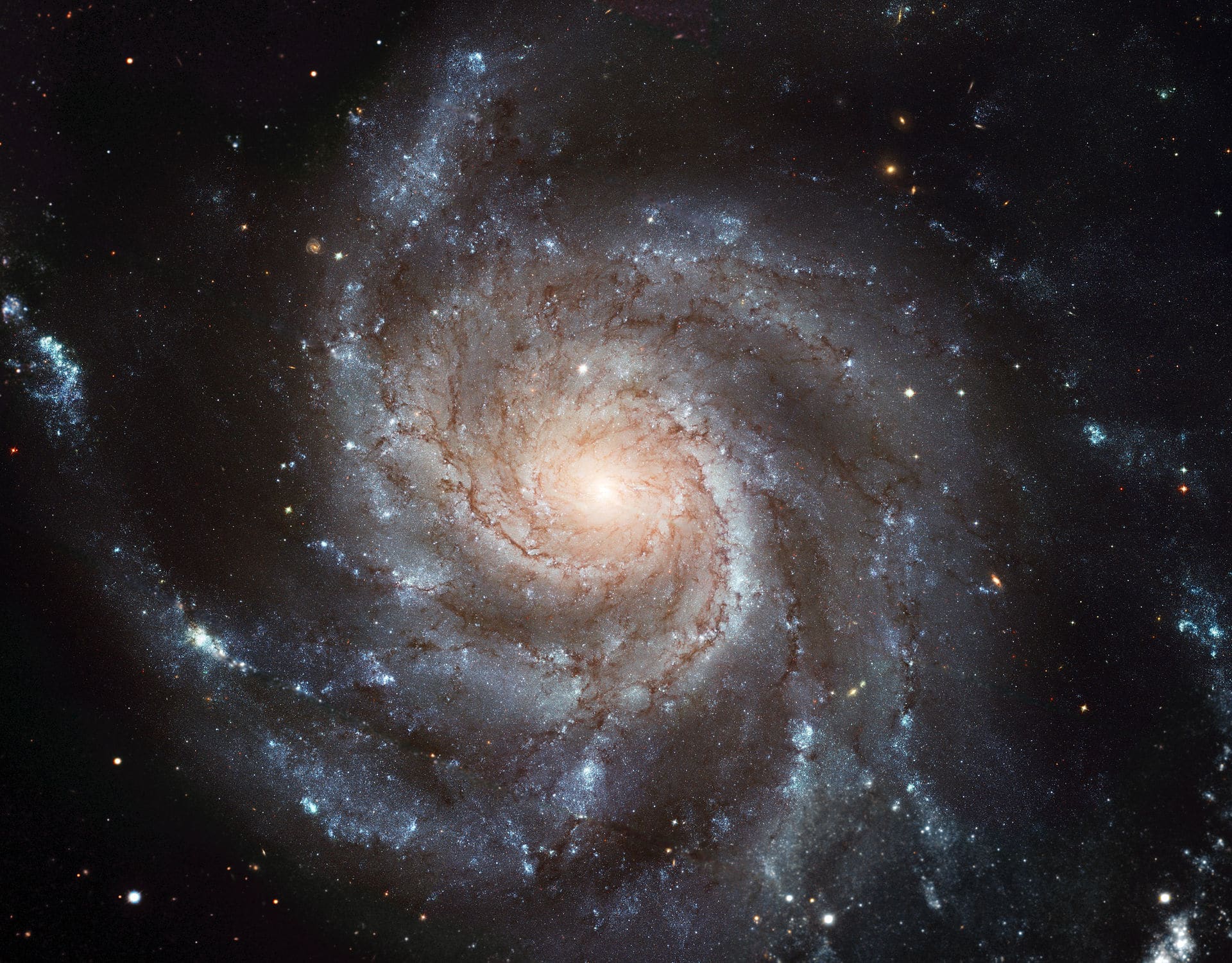
A billion years later, Galaxies, Stars, and Supernovas emerge. For billions of years the universe continues to expand and cool. Hydrogen and helium …

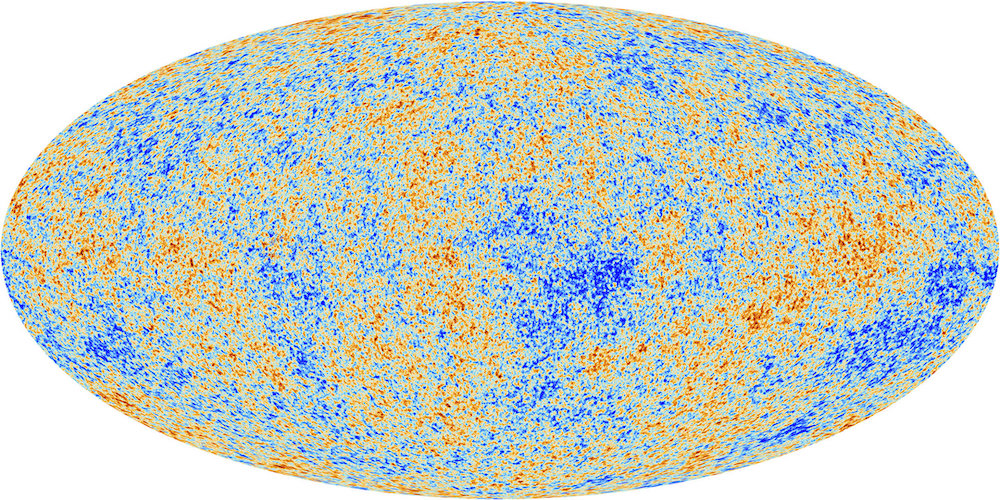
Some 13.7 billion years ago, our Universe flashes into existence, lit by the power of the eternal matrix of being. From the quantum foam is born the …

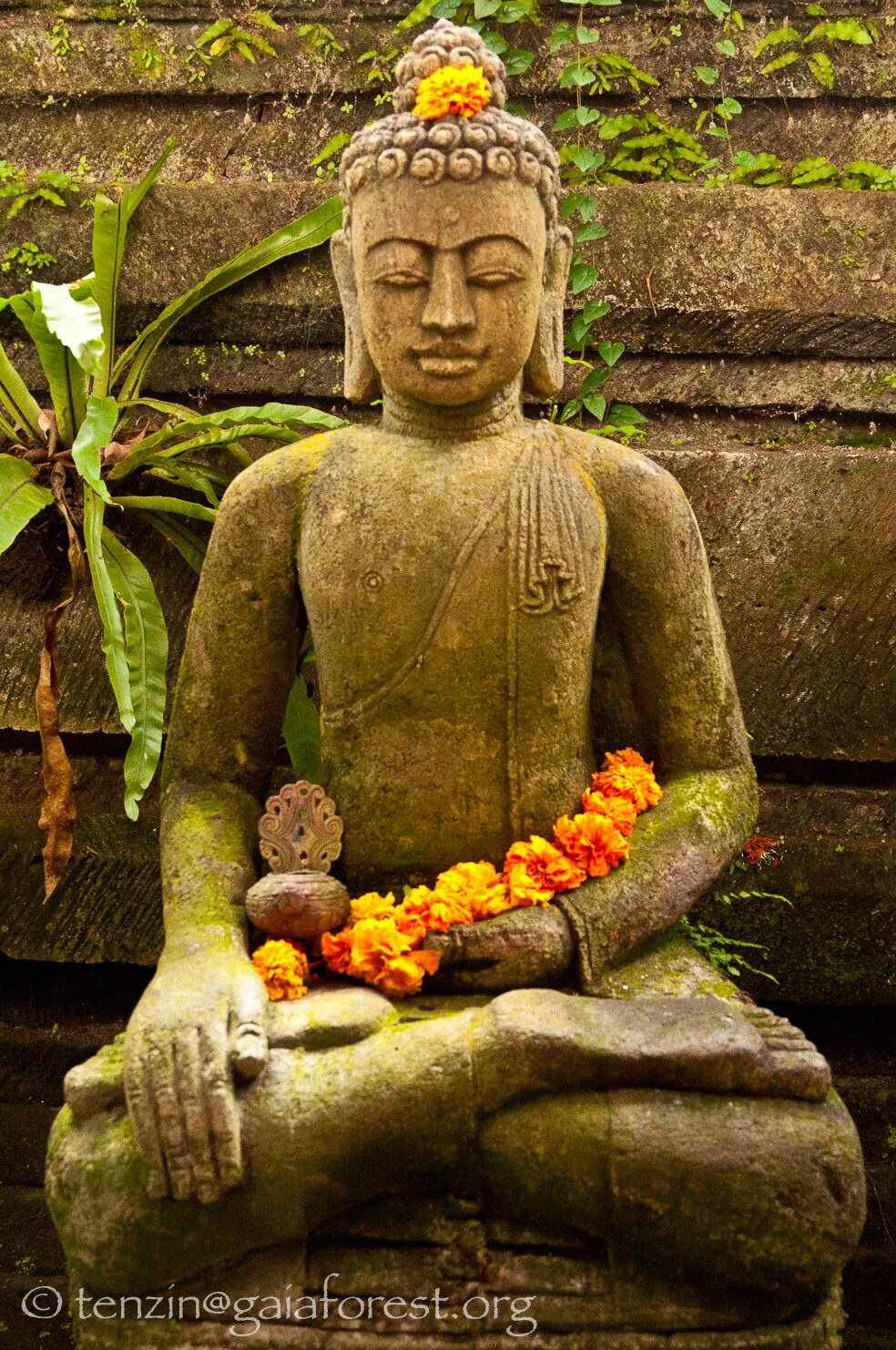
An Exploration of Engaged BuddhismBy John Seed (See below for an embedded pdf version with illustrations) Buddha Touched the Earth is the title of a …
By John Revington. Originally published by the Rainforest Information Centre; republished here with permission. Publication date not stated on the …
By John Revington. Originally published by the Rainforest Information Centre; republished here with permission. The author dates this account …
By John Revington. Originally published by the Rainforest Information Centre; republished here with permission. Publication date not stated on the …
PAPER DELIVERED BY JOHN SEED TO THE ECOPSYCHOLOGY SYMPOSIUM AT THE AUSTRALIAN PSYCHOLOGICAL SOCIETY’S 28TH ANNUAL CONFERENCE, GOLD COAST, QUEENSLAND, …
from the book Thinking Like a mountain - Towards a Council of All Beings - Seed et al by John Seed, Joanna Macy, Arne Naess & Pat Fleming, New …
https://www.youtube.com/watch?v=MlmTLvHMg-g&t=19s