Deep-Ecology

Gaia theory forces a planetary perspective

Gaia theory forces a planetary perspective. It is the health of the planet that matters, not that of some individual species.

The Earth is more than just a home, it's a living system and we are part of it

The Earth is more than just a home, it’s a living system and we are part of it.

The Gaia hypothesis is for those who like to walk or simply stand and stare

The Gaia hypothesis is for those who like to walk or simply stand and stare, to wonder about the Earth and the life it bears.

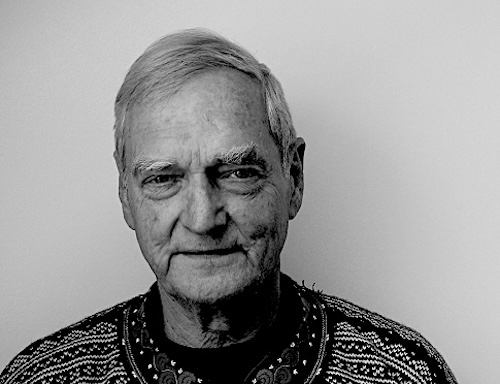
Profile: Alan Drengson

Profile: Alan Drengson

Alan Drengson (1934-2022) was a Canadian philosopher and educator who served as close collaborator with Arne Naess and founding editor of The Trumpeter journal, becoming a key voice in articulating …

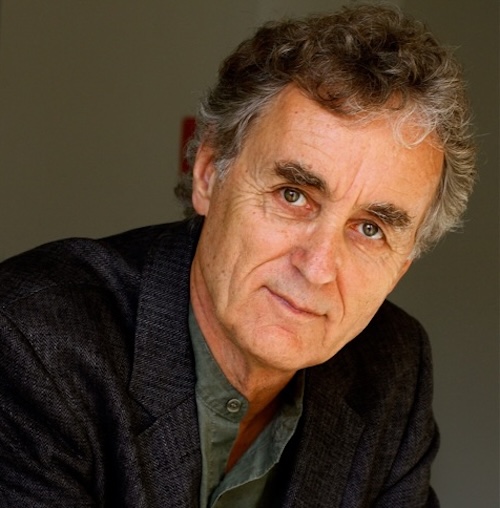
Profile: Fritjof Capra

Profile: Fritjof Capra

Fritjof Capra (born 1939) is an Austrian-born American physicist and systems theorist. His work examines connections between physics, biology, systems theory, and ecological philosophy. Born in …

Quote: "We must find and develop therapies which heal our relations..." Arne Naess

“We must find and develop therapies which heal our relations with the widest community, that of all living beings.” —Arne Naess

"the major problems in the world.." - Gregory Bateson

“the major problems in the world are the result of the difference between how nature works, and how people think” - Gregory Bateson

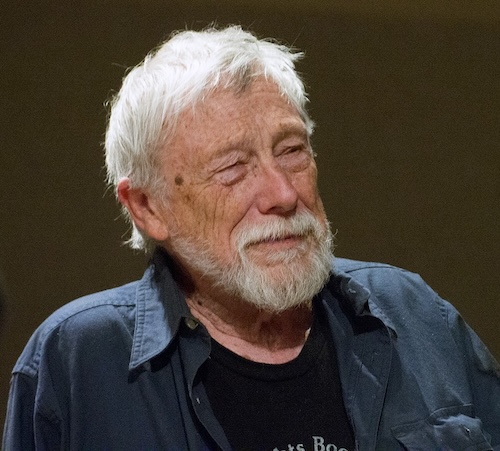
Profile: Gary Snyder

Profile: Gary Snyder

Gary Snyder (born 1930) is an American poet, Zen Buddhist practitioner, and ecological philosopher whose work integrates Beat poetry, Buddhism, and bioregionalism. His collection Turtle Island …

Corruption never has been compulsory; when the cities lie at the monster's feet there are left the mountains.

“Corruption never has been compulsory; when the cities lie at the monster’s feet there are left the mountains.” — Robinson Jeffers

Humanity is the mold to break away from, the crust to break through, the coal to break into fire, / The atom to be split.

“Humanity is the mold to break away from, the crust to break through, the coal to break into fire, / The atom to be split.” — Robinson Jeffers

Hurt Hawks cannot be mended: the wild God has turned / His back on them.

“Hurt Hawks cannot be mended: the wild God has turned / His back on them.” — Robinson Jeffers

I believe that if you just do your little bit without thinking of the bigness of what you stand against, if you turn to the enlargement of your own capacities, just that itself creates new potential

“I believe that if you just do your little bit without thinking of the bigness of what you stand against, if you turn to the enlargement of your own capacities, just that itself creates new …

I believe that the universe is one being, all its parts are different expressions of the same energy.

“I believe that the universe is one being, all its parts are different expressions of the same energy.” — Robinson Jeffers

Integrity is wholeness, the greatest beauty is / Organic wholeness, the wholeness of life and things, the divine beauty of the universe.

“Integrity is wholeness, the greatest beauty is / Organic wholeness, the wholeness of life and things, the divine beauty of the universe.” — Robinson Jeffers

Long live freedom and damn the ideologies.

“Long live freedom and damn the ideologies.” — Robinson Jeffers

Organic wholeness, the wholeness of life and things, the divine beauty of the universe. Love that, not man apart from that.

“Organic wholeness, the wholeness of life and things, the divine beauty of the universe. Love that, not man apart from that.” — Robinson Jeffers

Profile: Rainer Maria Rilke

Profile: Rainer Maria Rilke

Rainer Maria Rilke (1875-1926) was an Austrian-German poet whose work explored nature, solitude, and human existence. Writing in the early 20th century, Rilke articulated a sense of intimacy with the …

The beauty of things was born before eyes and sufficient to itself; the heart-breaking beauty / Will remain when there is no heart to break for it.

“The beauty of things was born before eyes and sufficient to itself; the heart-breaking beauty / Will remain when there is no heart to break for it.” — Robinson Jeffers

The greatest beauty is organic wholeness, the wholeness of life and things, the divine beauty of the universe. Love that, not man apart from that.

“The greatest beauty is organic wholeness, the wholeness of life and things, the divine beauty of the universe. Love that, not man apart from that.” — Robinson Jeffers

The poet is not an important fellow. There will be no harm done if he never gets born.

“The poet is not an important fellow. There will be no harm done if he never gets born.” — Robinson Jeffers

The tides are in our veins, we still mirror the stars, life is your child, but there is in me / Older and harder than life and more impartial, the eye that watched before there was an ocean.

“The tides are in our veins, we still mirror the stars, life is your child, but there is in me / Older and harder than life and more impartial, the eye that watched before there was an …

The world's as the world is, and the animals / Re-knowing their roads. All's well.

“The world’s as the world is, and the animals / Re-knowing their roads. All’s well.” — Robinson Jeffers

This coast crying out for tragedy like all beautiful places.

“This coast crying out for tragedy like all beautiful places.” — Robinson Jeffers

A temperature rise of more than two degrees C risks altering the Earth system irreversibly.

“A temperature rise of more than two degrees C risks altering the Earth system irreversibly.” — James Lovelock Source: The Vanishing Face of Gaia (2009)

Climate change is real, and it is here, and we either change or we suffer.

“Climate change is real, and it is here, and we either change or we suffer.” — James Lovelock Source: Interviews / Essays

Earth does not need people. People need Earth.

“Earth does not need people. People need Earth.” — James Lovelock Source: Interviews / Talks

Gaia is a very simple idea: that the Earth works as a single, complex, self-regulating system.

“Gaia is a very simple idea: that the Earth works as a single, complex, self-regulating system.” — James Lovelock Source: The Ages of Gaia (1988)

Humanity is not separate from Gaia; we are a part of her body. To harm her is to harm ourselves.

“Humanity is not separate from Gaia; we are a part of her body. To harm her is to harm ourselves.” — James Lovelock Source: Gaia: The Practical Science of Planetary Medicine (1991)

If we go on wrecking the biosphere, our technical and moral loftiness will count for nothing.

“If we go on wrecking the biosphere, our technical and moral loftiness will count for nothing.” — James Lovelock Source: The Vanishing Face of Gaia (2009)

Let us hope that humanity will see through science that it must live in harmony with all life, not just exploit it.

“Let us hope that humanity will see through science that it must live in harmony with all life, not just exploit it.” — James Lovelock Source: The Vanishing Face of Gaia (2009)

Our task is not to save the Earth. She will endure. It is our civilization, our children, who are at risk.

“Our task is not to save the Earth. She will endure. It is our civilization, our children, who are at risk.” — James Lovelock Source: The Vanishing Face of Gaia (2009)

quote bacteria are the hidden alchemists of lynn margulis

“Bacteria are the hidden alchemists of the planet, shaping the atmosphere and the future.” — Lynn Margulis Acquiring Genomes (2002)

quote evolution is not a tree but lynn margulis

“Evolution is not a tree but a web. Symbiosis is the driving force.” — Lynn Margulis Acquiring Genomes (2002)

quote life did not take over the lynn margulis

“Life did not take over the globe by combat but by networking.” — Lynn Margulis Microcosmos (1986)

quote symbiosis is not marginal. it is lynn margulis

“Symbiosis is not marginal. It is the key to evolution and survival.” — Lynn Margulis Acquiring Genomes (2002)

quote the human body is not a lynn margulis

“The human body is not a single being but a consortium of species.” — Lynn Margulis Symbiotic Planet (1998)

quote to understand life, we must understand lynn margulis

“To understand life, we must understand the partnerships that make it possible.” — Lynn Margulis Microcosmos (1986)

quote we are walking communities of microbes, lynn margulis

“We are walking communities of microbes, proof that cooperation drives life forward.” — Lynn Margulis Symbiotic Planet (1998)

quote-to-be-good-farmers-we-need-to-be-good-foresters-Lawton

“To be good farmers, we need to be good foresters. If we just put as much effort into forest rehabilitation as we put into lawns and as much capital as we put into wars, we could rehabilitate …

quote: "gaia is a tough bitch: she..." lynn margulis

“Gaia is a tough bitch: she has endured cataclysmic change for billions of years.” — Lynn Margulis Symbiotic Planet (1998)

Science taught us that change is inevitable; wisdom teaches us to change with it.

“Science taught us that change is inevitable; wisdom teaches us to change with it.” — James Lovelock Source: Late Interviews

The future depends on whether we can act on respect for Gaia rather than on fear.

“The future depends on whether we can act on respect for Gaia rather than on fear.” — James Lovelock Source: Interviews

The Gaia hypothesis tells us that life and the Earth are inseparable, two sides of one great process.

“The Gaia hypothesis tells us that life and the Earth are inseparable, two sides of one great process.” — James Lovelock Source: Gaia: A New Look at Life on Earth (1979)

The planet we abuse will find ways to restore balance, but not necessarily in ways that are kind to us.

“The planet we abuse will find ways to restore balance, but not necessarily in ways that are kind to us.” — James Lovelock Source: The Revenge of Gaia (2006)

We are part of Gaia’s experiment. Whether we remain part of her future depends on how we live now.

“We are part of Gaia’s experiment. Whether we remain part of her future depends on how we live now.” — James Lovelock Source: The Ages of Gaia (1988)

We have to accept that we are modest parts of the functioning of Earth, not its masters.

“We have to accept that we are modest parts of the functioning of Earth, not its masters.” — James Lovelock Source: Healing Gaia (1991)

We need to recognise the fragility of our existence and the need to conserve the balance.

“We need to recognise the fragility of our existence and the need to conserve the balance.” — James Lovelock Source: Lectures

We need to see ourselves not as stewards of nature, but as participants in a vast, living system.

“We need to see ourselves not as stewards of nature, but as participants in a vast, living system.” — James Lovelock Source: The Ages of Gaia (1988)

Quote: John Seed; "Deep ecology looks at the spiritual disease..."

“Deep ecology looks at the spiritual disease that underlies the environmental crisis: the illusion of separation between humans and the rest of the natural world… In order to nourish our …

Quote: Pema Chödron; "The earth seems to be beseeching us..."

“The earth seems to be beseeching us to connect with joy and discover our innermost essence. This is the best way that we can benefit others.” – Pema Chodron

Trumpeter: Journal of Ecosophy

![/images/Screenshot-2024-03-03-at-3.59.09%E2%80%AFpm-1024x410.jpg) An excellent resource for free, open access scholarly articles, letters and poems in the domain of Ecosophy: …

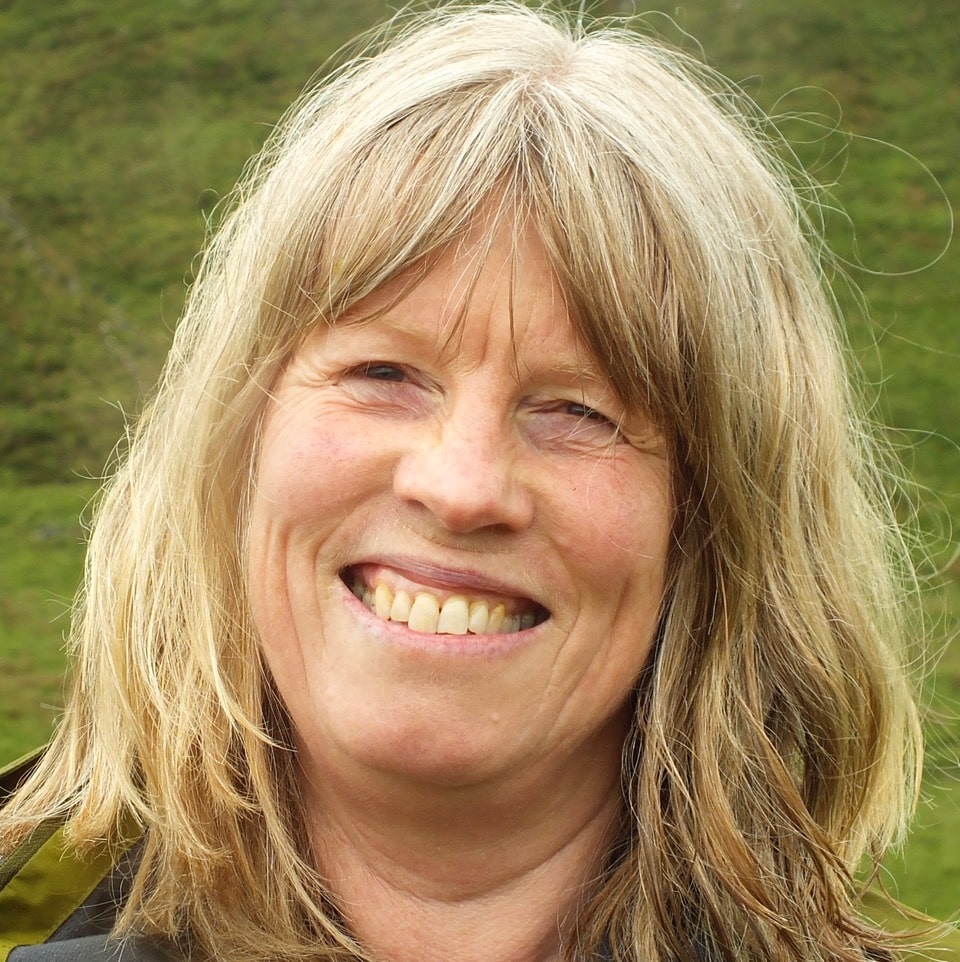
Bio: Pat Fleming

Bio: Pat Fleming

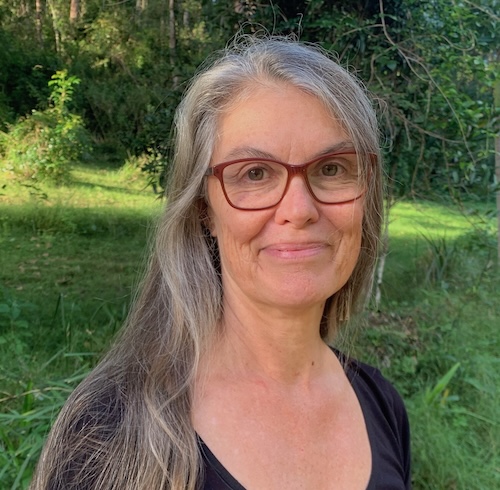
[ Pat has been has been facilitating Deep Ecology and the Work that Reconnects workshops, and giving talks, trainings and webinars in a number of countries over some 40 years. She’s a plantswoman, …

Bio: Patrick Anderson

Bio: Patrick Anderson

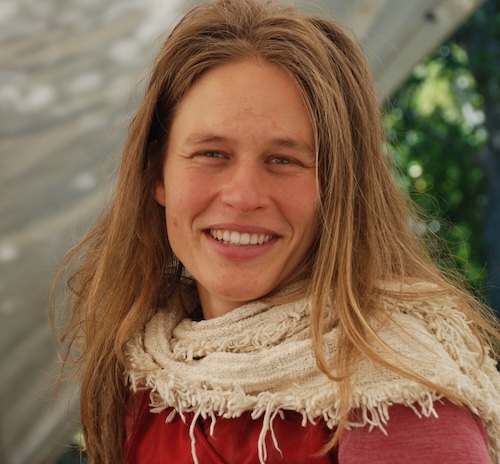
Patrick Anderson is a forest activist and student of Buddhism. Since the 1980’s he has participated in and occasionally led Deep Ecology workshops and processes in Australia and Europe. Patrick …

What is Deep Ecology?

Through deep experience, deep questioning and deep commitment emerges deep ecology By Stephan Harding * IN THE 1960s, HAVING read Rachel Carson’s book, Silent Spring, Arne Naess was moved to apply his …

Profile: Arne Naess

Profile: Arne Naess

Arne Naess was a Norwegian philosopher who coined the term “deep ecology” in 1973, fundamentally reshaping environmental thought and activism. Born in Oslo in 1912, he became …

Profile: Joanna Macy

Profile: Joanna Macy

Joanna Macy (1929-2025) was a scholar of Buddhism, general systems theory, and deep ecology. Born in Los Angeles, she earned her PhD and spent five decades developing the Work That Reconnects, a …

Profile: John Seed

Profile: John Seed

John Seed is an Australian environmental activist who co-created the Council of All Beings practice and founded the Rainforest Information Centre. His work connects direct action rainforest …

Quote: John Seed; “The fundamental insight of deep ecology…”

“The fundamental insight of deep ecology is that underlying all of the symptoms of environmental problems, there is the illusion of separation between human beings and the natural world” - John Seed — …

Quote: Thich Nhat Hanh; "Real change will only happen when we fall in love with the Earth. Falling in love means to see her beauty, to touch her deeply and to rejoice in her."

“Real change will only happen when we fall in love with the Earth. Falling in love means to see her beauty, to touch her deeply and to rejoice in her.” Thich Nhat Hanh Source: Love Letter …

Quote: Thich Nhat Hanh; "The Earth is not just our environment. We are the Earth and we are always carrying her within us. We need to wake up and realize that the Earth and we are one."

“The Earth is not just our environment. We are the Earth and we are always carrying her within us. We need to wake up and realize that the Earth and we are one.” Thich Nhat Hanh Source: …

Quote: Thich Nhat Hanh; "The next Buddha may take the form of a community, a community practicing understanding and loving kindness, a community showing the way to collective awakening."

“The next Buddha may take the form of a community, a community practicing understanding and loving kindness, a community showing the way to collective awakening.” Thich Nhat Hanh Source: …

Quote: Thich Nhat Hanh; "We are here to awaken from the illusion of our separateness. When we realize that everything we do affects the whole, love and responsibility arise naturally."

“We are here to awaken from the illusion of our separateness. When we realize that everything we do affects the whole, love and responsibility arise naturally.” Thich Nhat Hanh Source: …

Quote: Thich Nhat Hanh; "You carry Mother Earth within you. She is not outside of you. Mother Earth is not just your environment. When you are mindful of the Earth, you are mindful of yourself."

“You carry Mother Earth within you. She is not outside of you. Mother Earth is not just your environment. When you are mindful of the Earth, you are mindful of yourself.” Thich Nhat Hanh …

Event: MenAware nature retreat with Yatra.org.au – May 31st-June 4th 2023

MenAware New England National Park, NSW Wednesday 31 May – Sunday 4 June 2023 “I recall times in this life when I’ve quietly grieved an absence of deep connectedness with men. At MenAware gatherings …

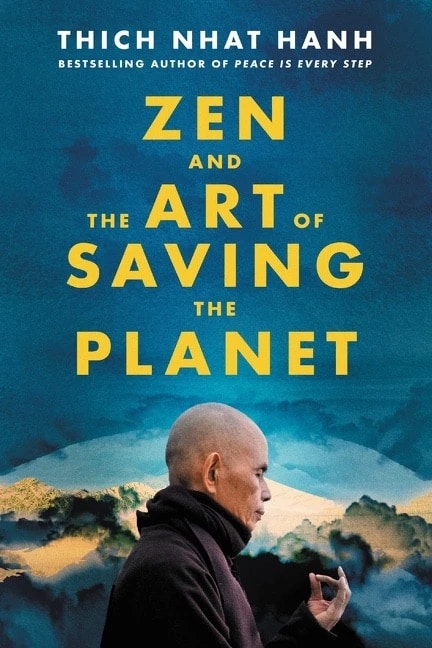
Book: “Zen and The Art of Saving The Planet” – Thich Nhat Hanh

Book: “Zen and The Art of Saving The Planet” – Thich Nhat Hanh

A recent posthumous release from the not-for profit publisher Parralax Press: “Zen and The Art of Saving The Planet“. This book is a gem, filled with Thich Nhat Hanh’s beautiful meditations, …

Interview: John Seed at Rebel Herbal Conference-

https://youtu.be/QPdxrrg_Frw “Deep ecology is a key to the change we need. To deep ecology, underlying all the symptoms of the environmental crisis lies a psychological or spiritual root – the …

Event: 21st-23rd Oct 2023- Deep Ecology Workshop – With John Seed: Nimbin

Event: 21st-23rd Oct 2023- Deep Ecology Workshop – With John Seed: Nimbin

Fri 21st Oct 2022 – Sun 23rd Oct 2022 AEDT ![/images/deepEco_John.jpg) The Rainforest Information Centre presents an in-person, immersive DEEP ECOLOGY workshop with John Seed Tickets are sliding scale …

Event: 5-9th Feb 2023: Heartwood Nature Retreat 2023 – Mount Field

Event: 5-9th Feb 2023: Heartwood Nature Retreat 2023 – Mount Field

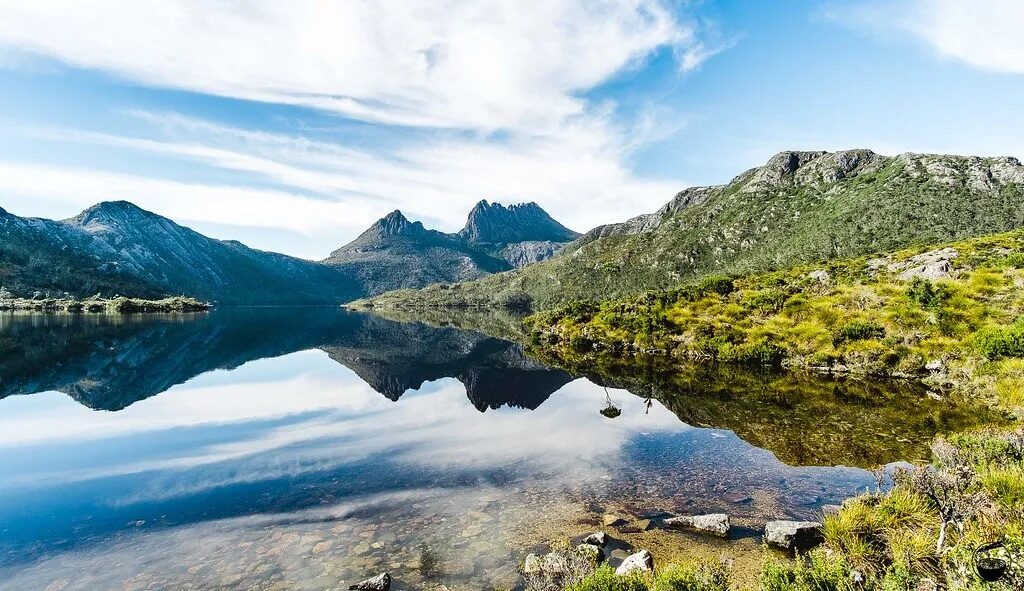
Government Huts, Mount Field National Park, Tasmania Sunday 5 – Thursday 9 February 2023 ![/images/mt-field.jpg) _With Ronny Hickel _ On this nature retreat we will be accommodated in the historic …

Event: 6th-9th Oct 2022 – MenAware Nature Retreat – Lake Arragan

Event: 6th-9th Oct 2022 – MenAware Nature Retreat – Lake Arragan

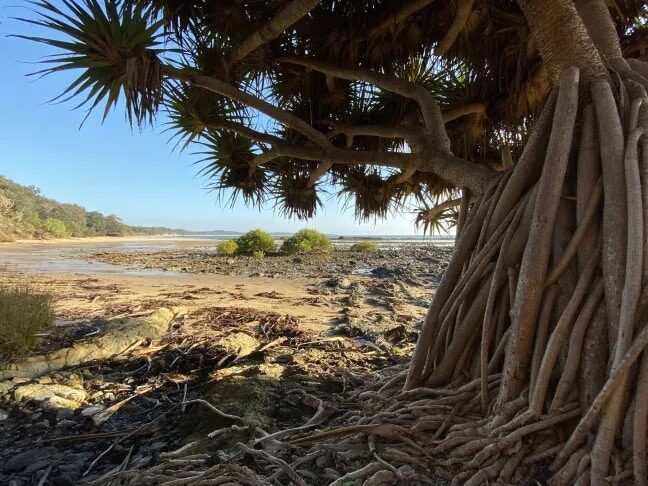
**Yuraygir National Park, Northern NSW Thursday 6 – Sunday 9 October** 2022 ![/images/Yuraygir1-1024x804.jpg) _With Ken Golding & Brother Tenzin _(Alex Anderson) This MenAware Nature Retreat with …

Essay: The Ecological Self by John Seed

The Trumpeter ISSN: 0832-6193 Volume 22, Number 2 (2006) The Ecological Self John Seed In this article John explores some of the key issues in deep Ecology, his own experience as an activist and …

Bio: Br. Tenzin (Dr. Alex Anderson)

Bio: Br. Tenzin (Dr. Alex Anderson)

Tenzin Alex Anderson began his path toward Deep Ecology with a doctorate researching the impacts of Climate Change on rainforest biodiversity. Inspired by teachers such as the late Ven. Thich Nhat …

Bio: Eshana Bragg

Bio: Eshana Bragg

Eshana is a pioneer in the field of ecopsychology, and has been facilitating deep ecology workshops and the Council of All Beings since the mid-1990’s. She even wrote her PhD about it! As a director …

Bio: Inna Alex

Bio: Inna Alex

Inna Alex is a passionate deep ecology facilitator, community organizer, and sustainable living educator. Her earth-based lifestyle in Tui Community, New Zealand, has provided her with many practical …

Event: MenAware Nature Retreat 2022

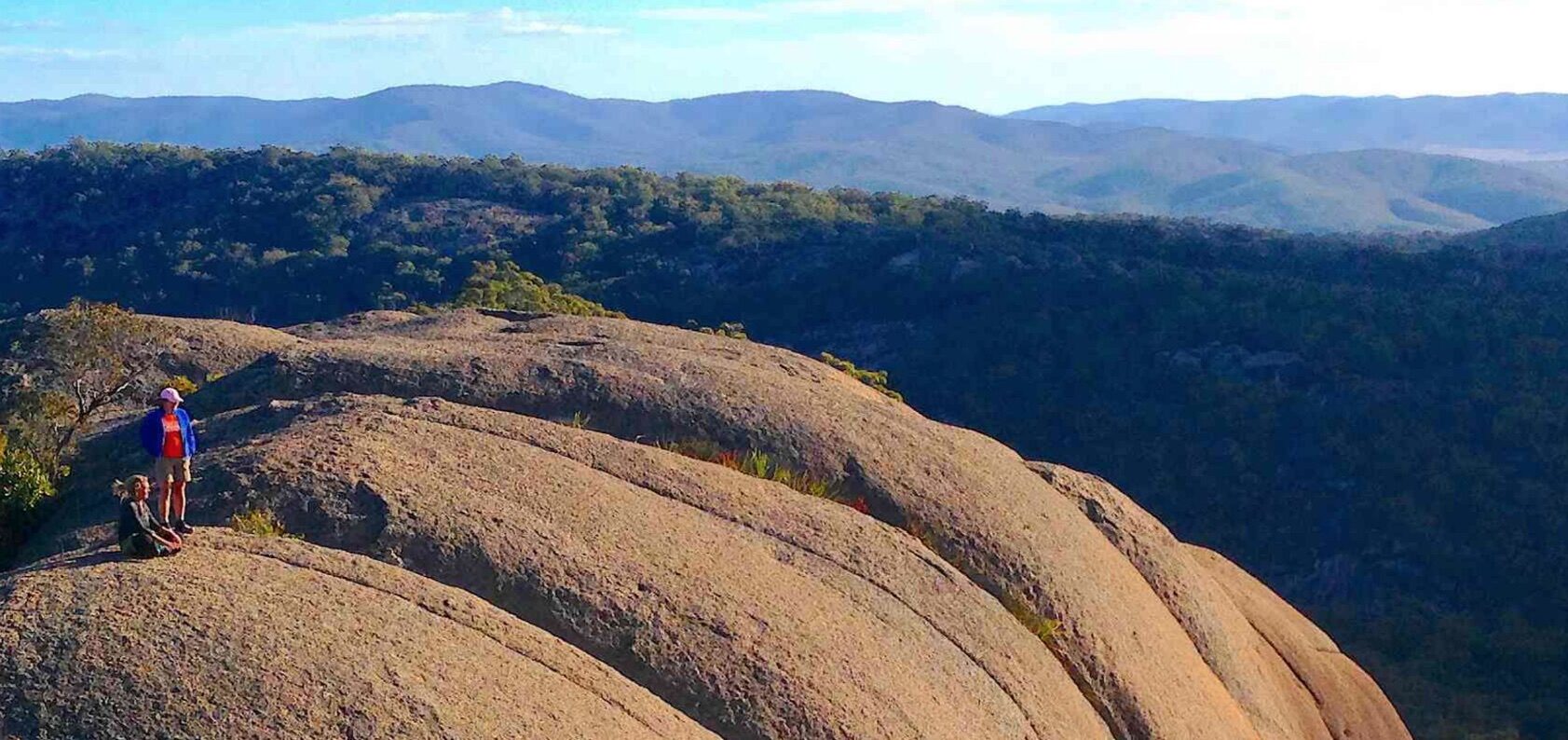
![/images/menaware-1024x483.jpg) **Bald Rock National Park, Northern NSW Wednesday 11 – Sunday 15 May** with Ken Golding & Ronny Hickel The annual MenAware Nature Retreat will take us to the …

Heartwood Nature Retreat 2022 – Trephina Gorge

Heartwood Nature Retreat 2022 – Trephina Gorge

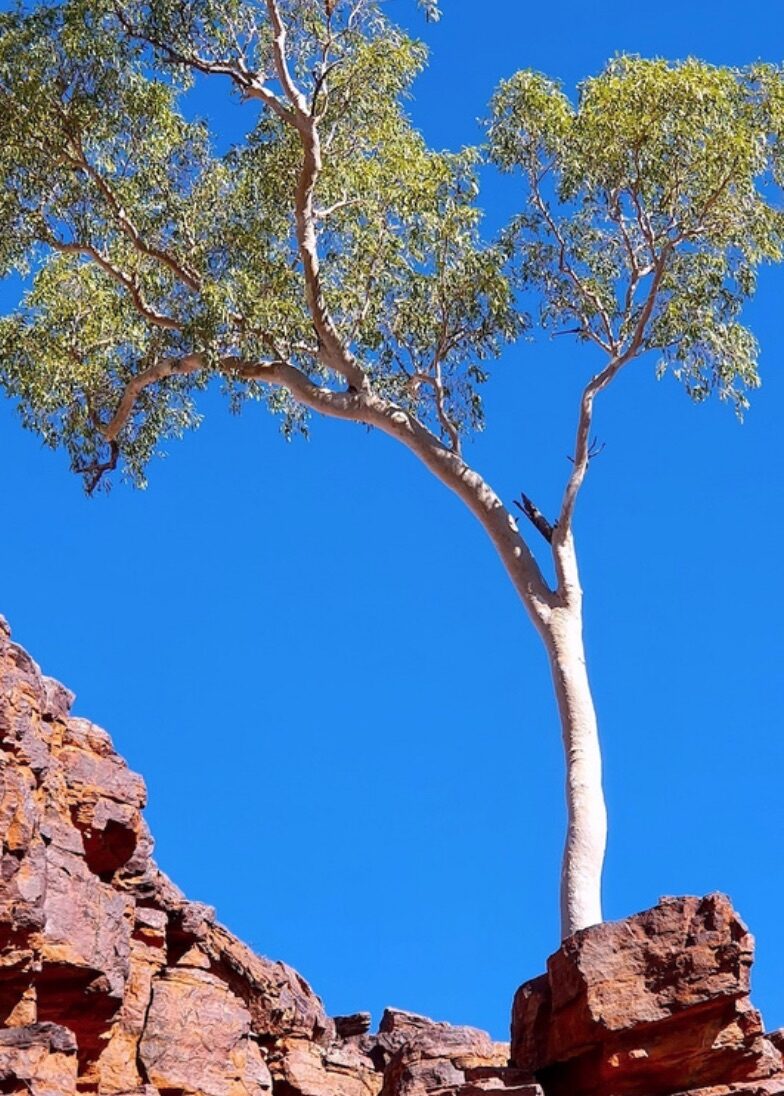
![/images/trephina-732x1024.jpg) Trephina Gorge – East MacDonnell Ranges NP, Northern Territory Saturday 23 – Thursday 28 July with Ronny Hickel This nature retreat will take us to the East MacDonnell …

SUNDAY, MAY 29, 2022: Online Workshop of “The Work That Reconnects”, with Inna Alex

SUNDAY, MAY 29, 2022: Online Workshop of “The Work That Reconnects”, with Inna Alex

SUNDAY, MAY 29, 2022 AT 2:30 PM – 4:45 PM UTC+10 ![/images/278873863_313715207557038_1808769598390593650_n.jpg) How to face the mess we’re in without going crazy? DEEP ECOLOGY Online Workshop in the …

The Development of the Deep Ecology Process

Our Philosophy page describes Arne Naess’s call for “therapies which heal our relations with the widest community, that of all living beings”, and notes that the processes answering …

Article: “What is Deep Ecology Philosophy” at Treehugger.com

Back in 2021, this helpful article about deep ecology was published on treehugger.com. It in includes an overview of the history of the movement, as well as a concise summary of criticisms that Deep …

Article: The Deep Ecology Movement: Origins, Development, and FutureProspects (Toward a Transpersonal Ecosophy)

“The deep ecology movement, which began with Arne Naess’ introduction of the term in 1972, is compared with other movements for social responsibility that developed in the 20th century. The paper …

Interview: An introduction to Deep Ecology, With Michael Zimmerman,

For a transcript of this informative interview see below: [https://www.context.org/iclib/ic22/zimmrman/] A philosophy is, among other things, a system of thought that governs conduct. But in the …

Video: The Deep Ecology Movement with Alan Drengson

Audio of an interview with Alan Drengson from Greenradio on youtube, R. Alan Drengson explains the origins and principles of the deep ecology movement, while speaking of its founder, Norwegian …

Article: The Shallow and the Deep, long-Range Ecology Movement, A Summary, by Arne Naess

“The emergence of ecologists from their former relative obscurity marks a turning point in our scientific communities. Their message, however, is twisted and misused. A shallow, but currently …

Book: Thinking Like a Mountain-HTML version

Book: Thinking Like a Mountain-HTML version

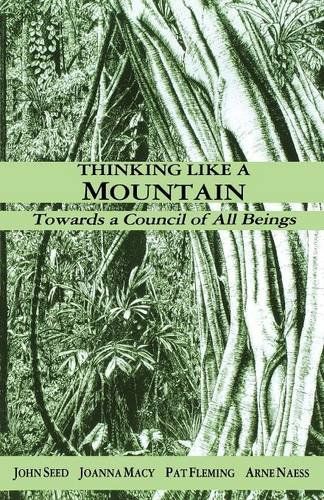
This post holds an HTML version of the text of the book “Thinking Like A Mountain – Towards a Council of All Beings”. Published in 1988, this seminal text by John Seed, Joanna Macy, Arne Naess and …

Cosmic Walk Timeline

This post displays a visual version of the “Cosmic walk” group process, a journey that spirals through deep time from the birth of the cosmos to the present day. This process is intended to guide …

Spirit of The Earth

Spirit of The Earth

I"f we enter the rainforest and allow our energies to merge with the energies we find there, I found, a most profound change in consciousness takes place. We realize that our psyche is itself a …

Book: Thinking Like a Mountain - PDF

Below you will find an embedded PDF version of the seminal book by John Seed, Joanna Macy, Pat Fleming and Arne Naess which gave rise to the “Council of All Beings” group work, later referred to as …

Video: “Wild Earth, Wild Mind, Wild Heart” with John Seed

In this video, filmed in the spring of 2005, John Seed performs some songs and poems. He also offers detailed introductions to some of the group processes he has developed and taken around the world. …

31) Our sacred Story

31) Our sacred Story

Today The Story of the Universe is being told as our sacred Story. The Flaring Forth continues as this moment, as us, as one. Cosmic Walker says “And this is MY story” Part of the Cosmic Walk …

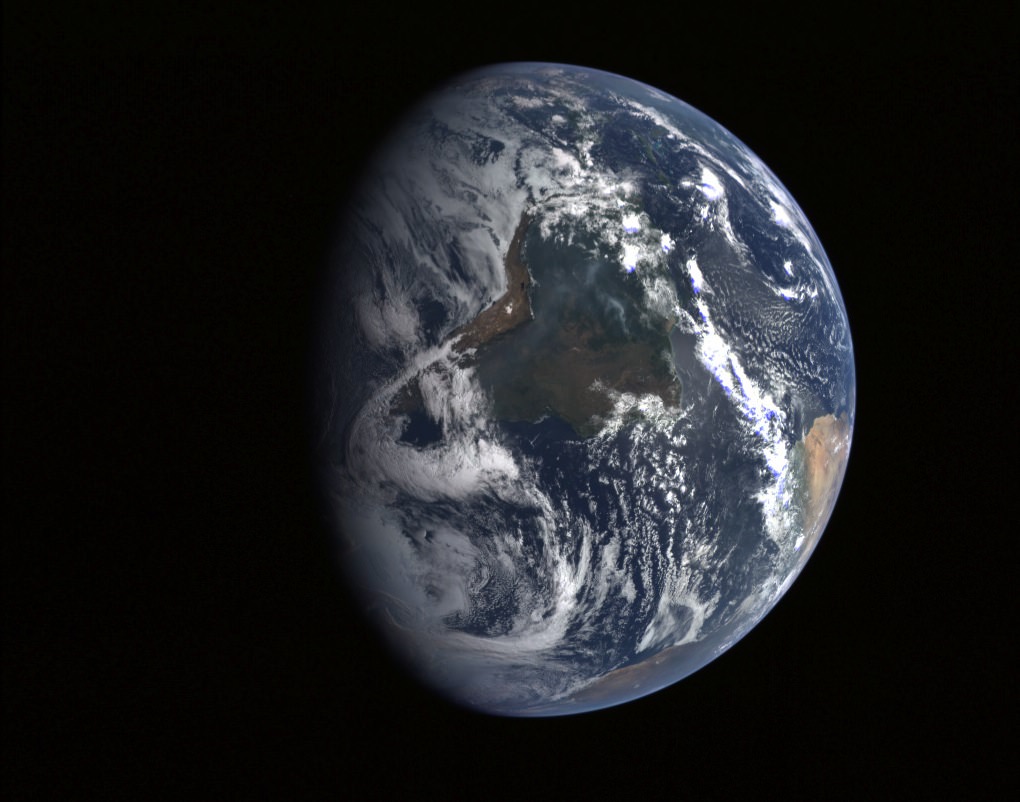
30) Earth is seen from space

30) Earth is seen from space

52 years ago Earth is seen as Whole from space. The Earth becomes complex enough to witness her own integral beauty. Part of the Cosmic Walk timeline — a walk through 13.7 billion years of cosmic and …

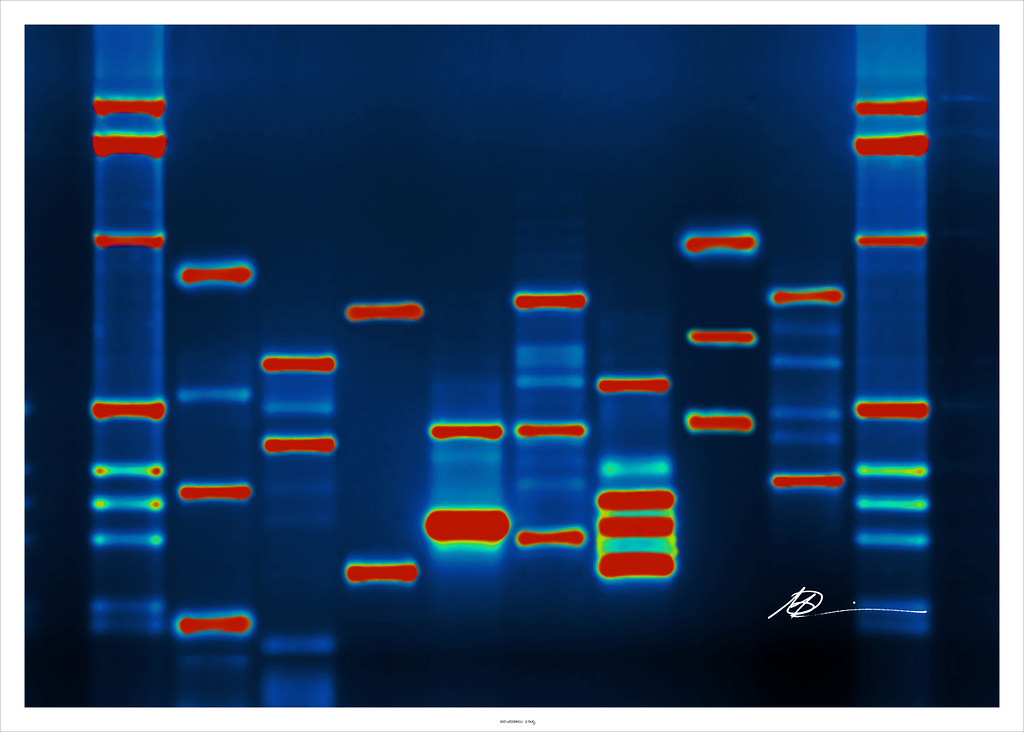
29) Humans discover DNA

29) Humans discover DNA

60 years ago, humans discover DNA, life’s common language. Part of the Cosmic Walk timeline — a walk through 13.7 billion years of cosmic and Earth history.

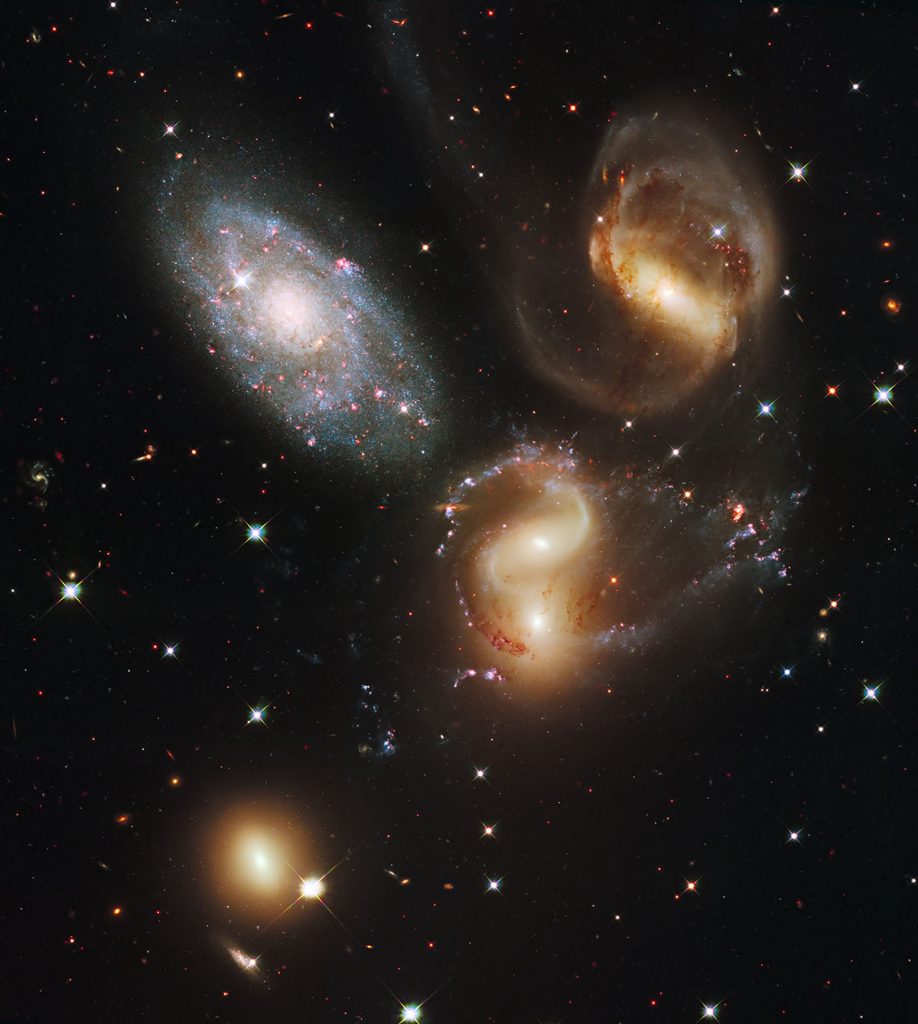
28) Empirical evidence of an Expanding Universe

28) Empirical evidence of an Expanding Universe

85 years ago, empirical evidence of an Expanding Universe is discovered. For the first time humans are aware they live in a developing universe. Part of the Cosmic Walk timeline — a walk through 13.7 …

27) Scientists calculate the age of the Earth

27) Scientists calculate the age of the Earth

250 years ago, scientists begin to calculate the Age of the Earth. Humans try to understand how old the Earth is through empirical observations. Part of the Cosmic Walk timeline — a walk through 13.7 …

26) The classical religions emerge

26) The classical religions emerge

3000 years ago, Classical Religions emerge. Hinduism, Confucianism, Judaism, Buddhism, Christianity, Islam. Each of these traditions holds a story of the creation of the cosmos and The Earth, which …

24) Modern humans emerge

24) Modern humans emerge

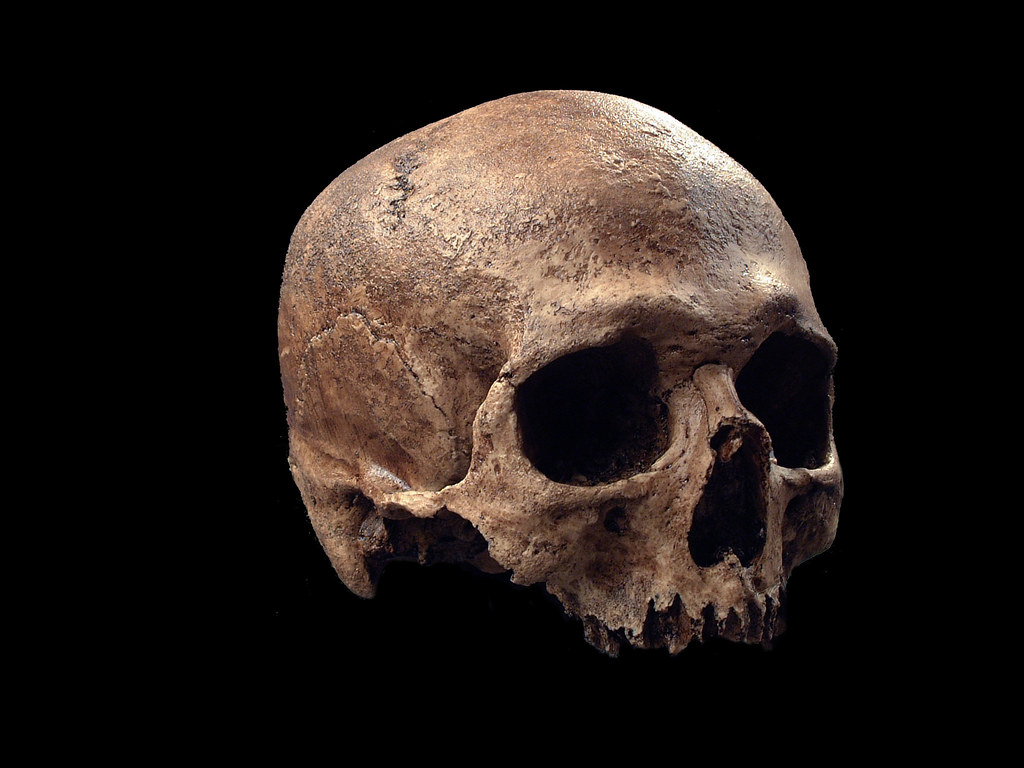
100 thousand years ago, Modern Humans emerge. Language, shamanic and goddess religions, and art become integral with human life. Part of the Cosmic Walk timeline — a walk through 13.7 billion years …

25) Agriculture is developed

25) Agriculture is developed

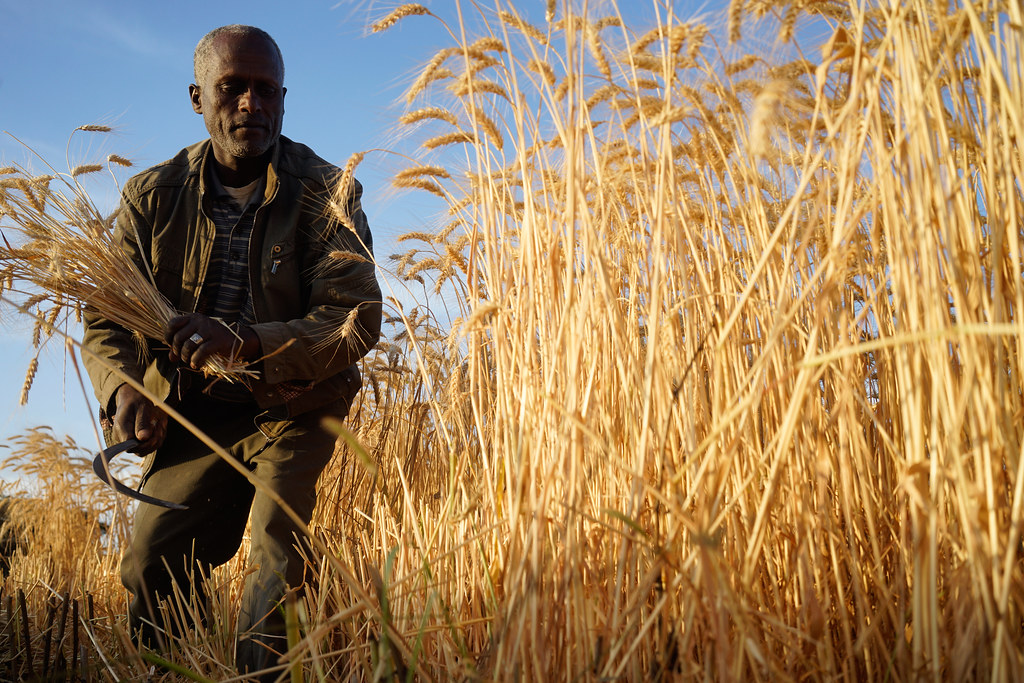
11000 years ago, Agriculture is invented. Humans begin to shape the environment. First thought to have arisen in the “Fertile Crescent” between the Tigris and Euphrates rivers in modern day Iraq. …

23) Human ancestors leave the forests

23) Human ancestors leave the forests

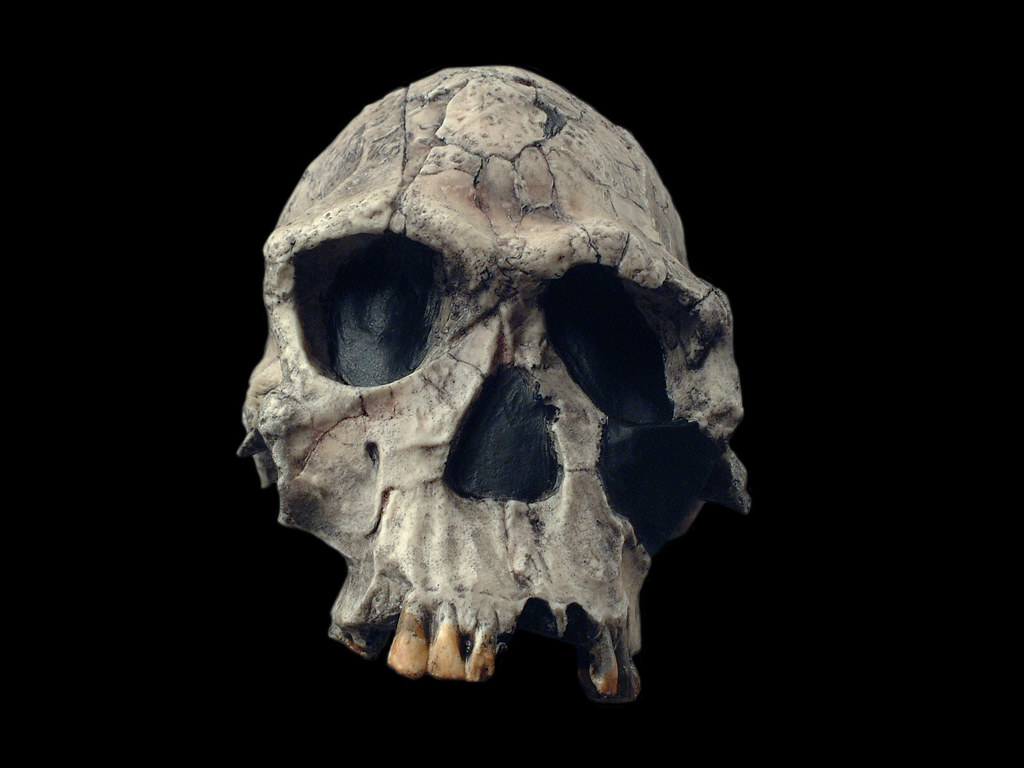
4 million years ago, Hominids leave the forest, stand up, and walk on two legs. The savannah offers the challenges and opportunities for these early creatures to evolve into humans. Part of the …

22) The age of mammals begins

22) The age of mammals begins

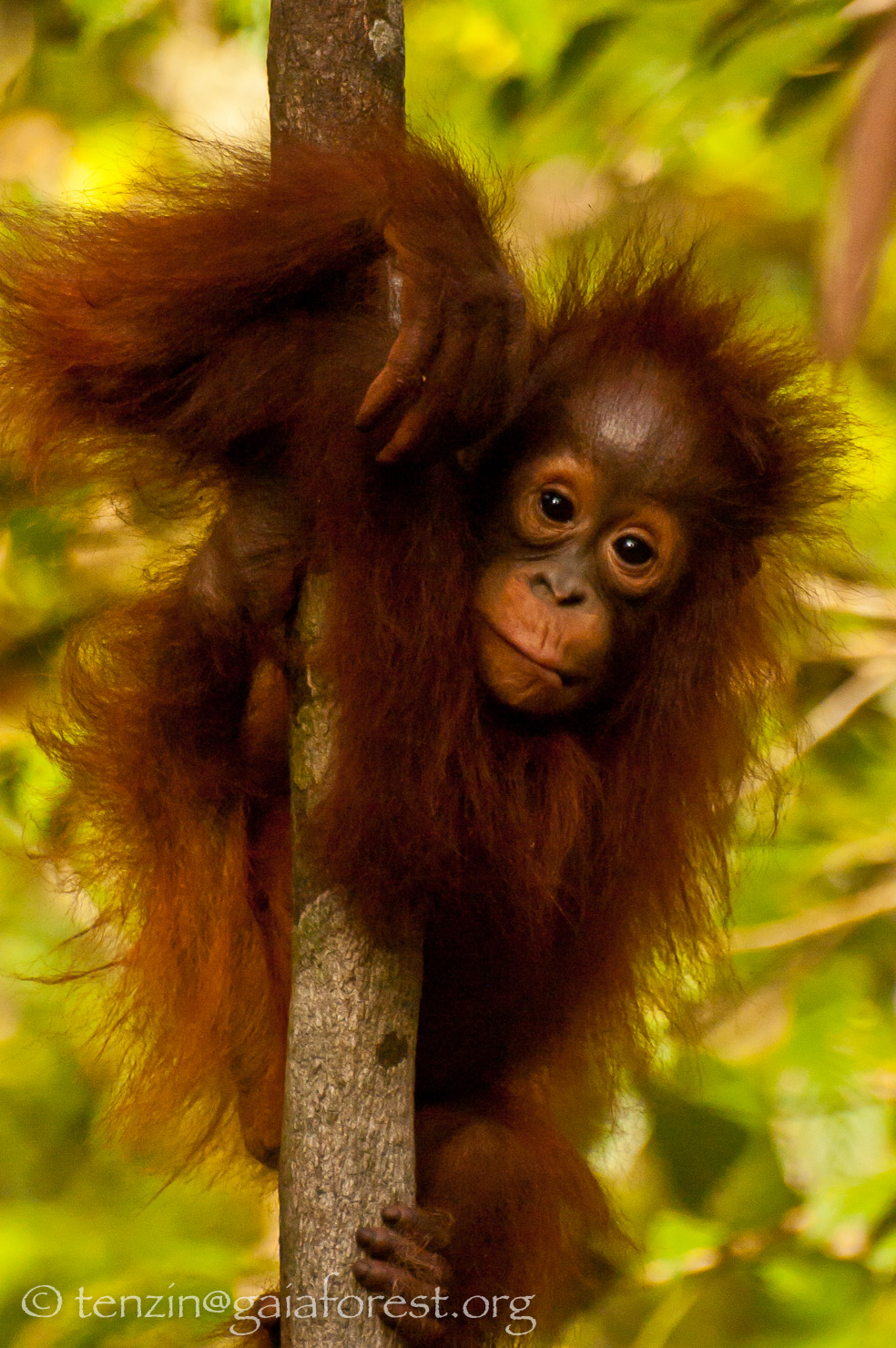
Over the course of the next 60 million years Earth greets rodents, whales, monkeys, horses, cats and dogs, antelopes, gibbons, grazing animals, orang-utans, gorillas, elephants, chimpanzees, camels, …

21) Cretaceous mass extinction wipes out the dinosaurs

21) Cretaceous mass extinction wipes out the dinosaurs

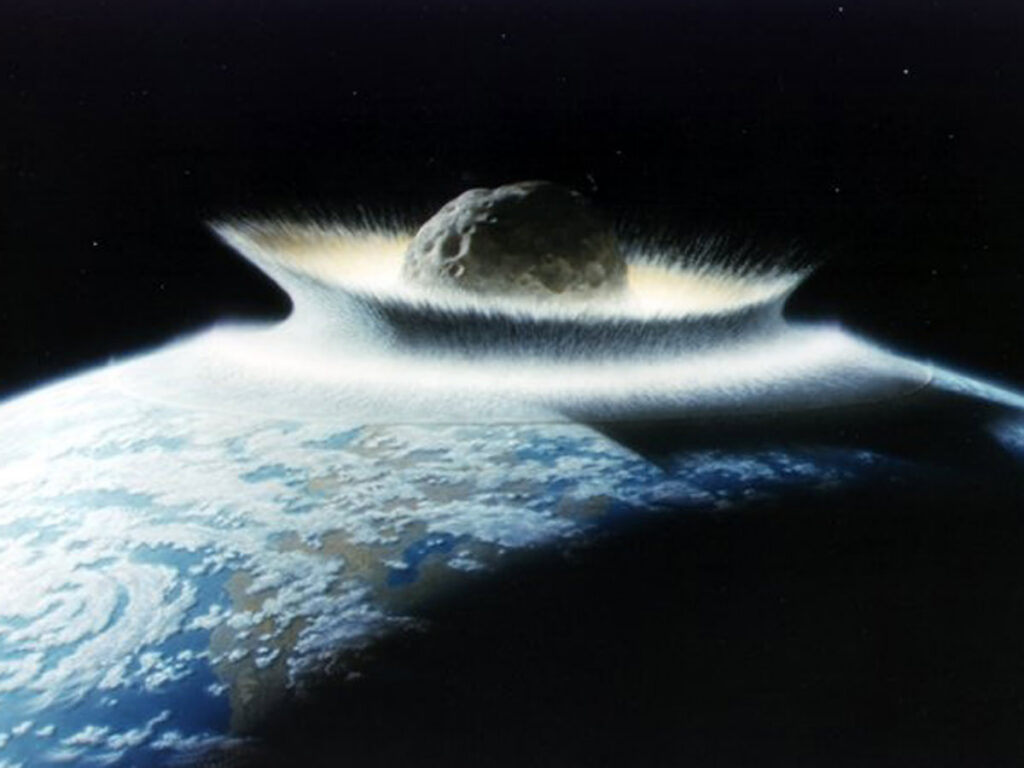
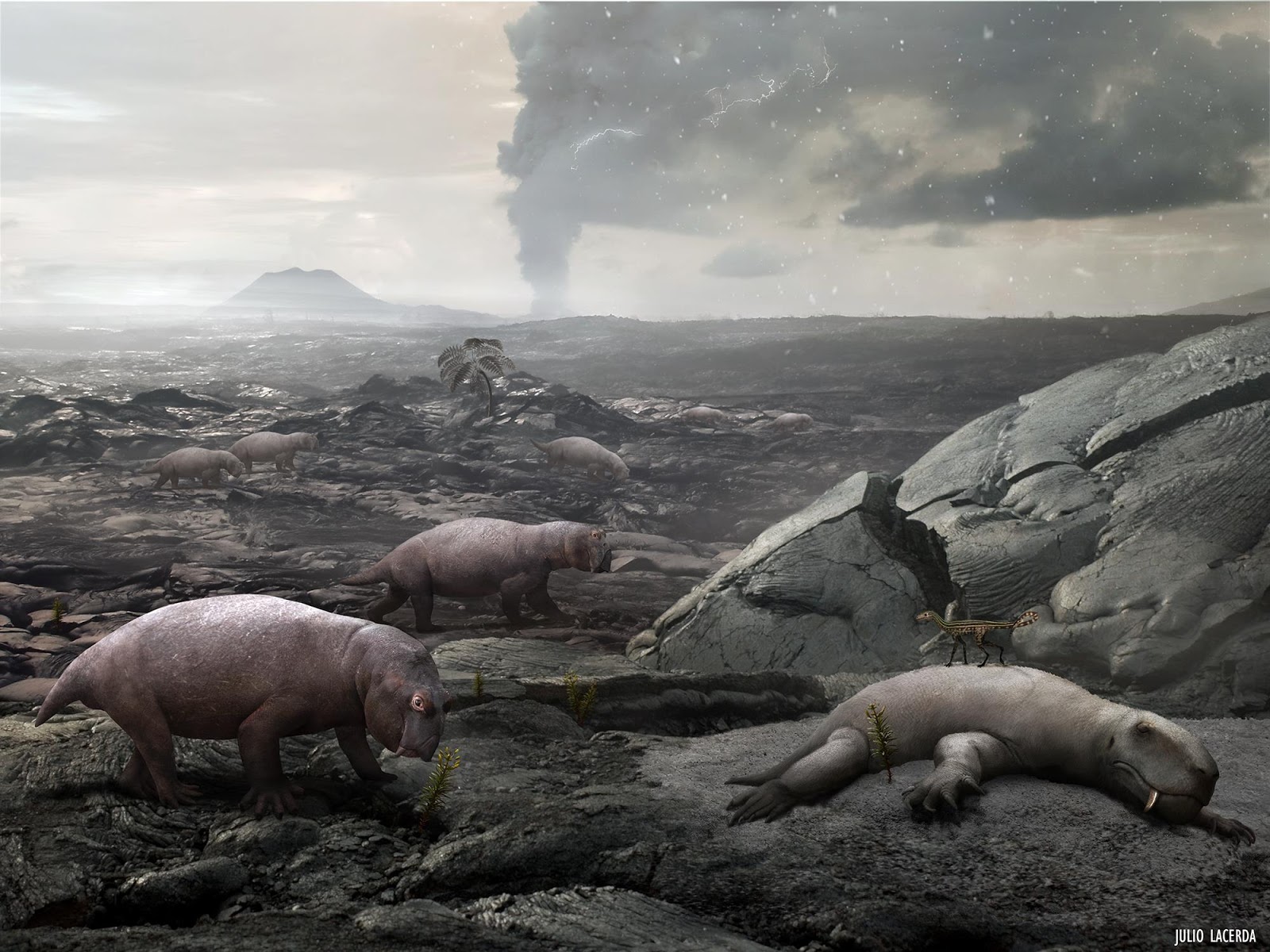
65 million years ago – Shortly after primates appear on the scene, the Cretaceous period ends with the 6th mass extinction after an asteroid 6 miles in diameter hits the Yucatan peninsula. The …

20) The first flowers

20) The first flowers

114 million years ago, Flowers evolve gorgeous and overt sexual organs, making themselves irresistible to insects by way of colours, perfumes, and delightful nectars. Insects, drawn to the nectar, …

19) The first birds

19) The first birds

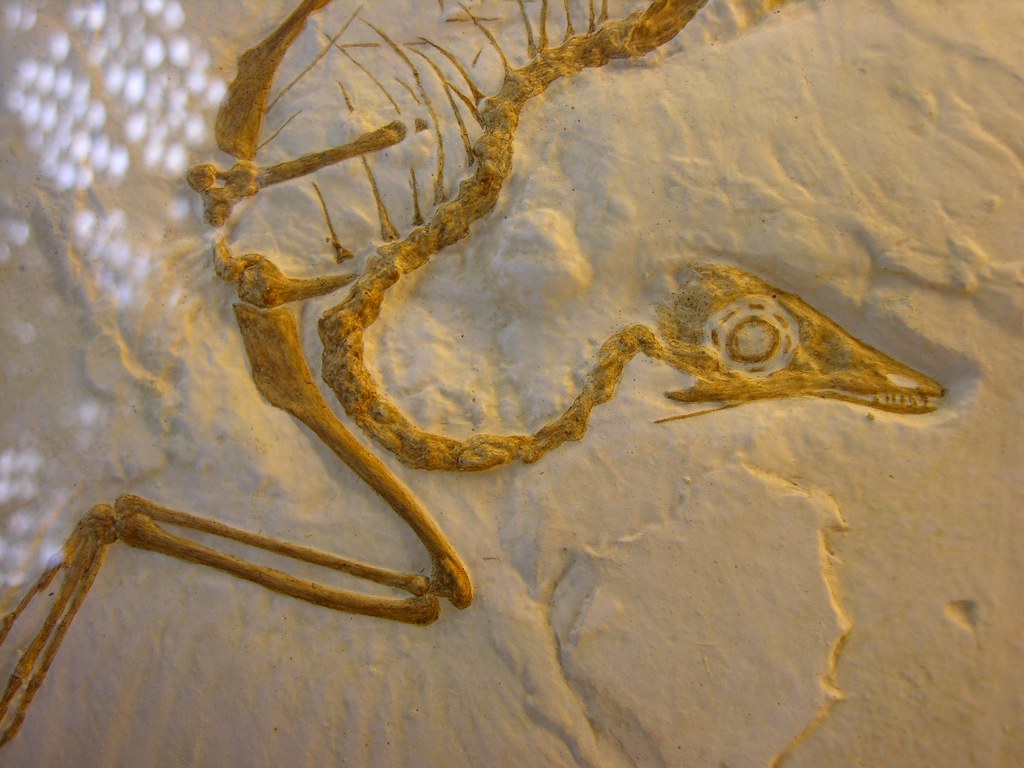
150 million years ago. Birds emerge, a direct descendant of the dinosaur as leg bones evolve into wing bones, jawbones into beaks and scales into feathers. Far larger than today’s birds, wing spans …

18) The first mammals

18) The first mammals

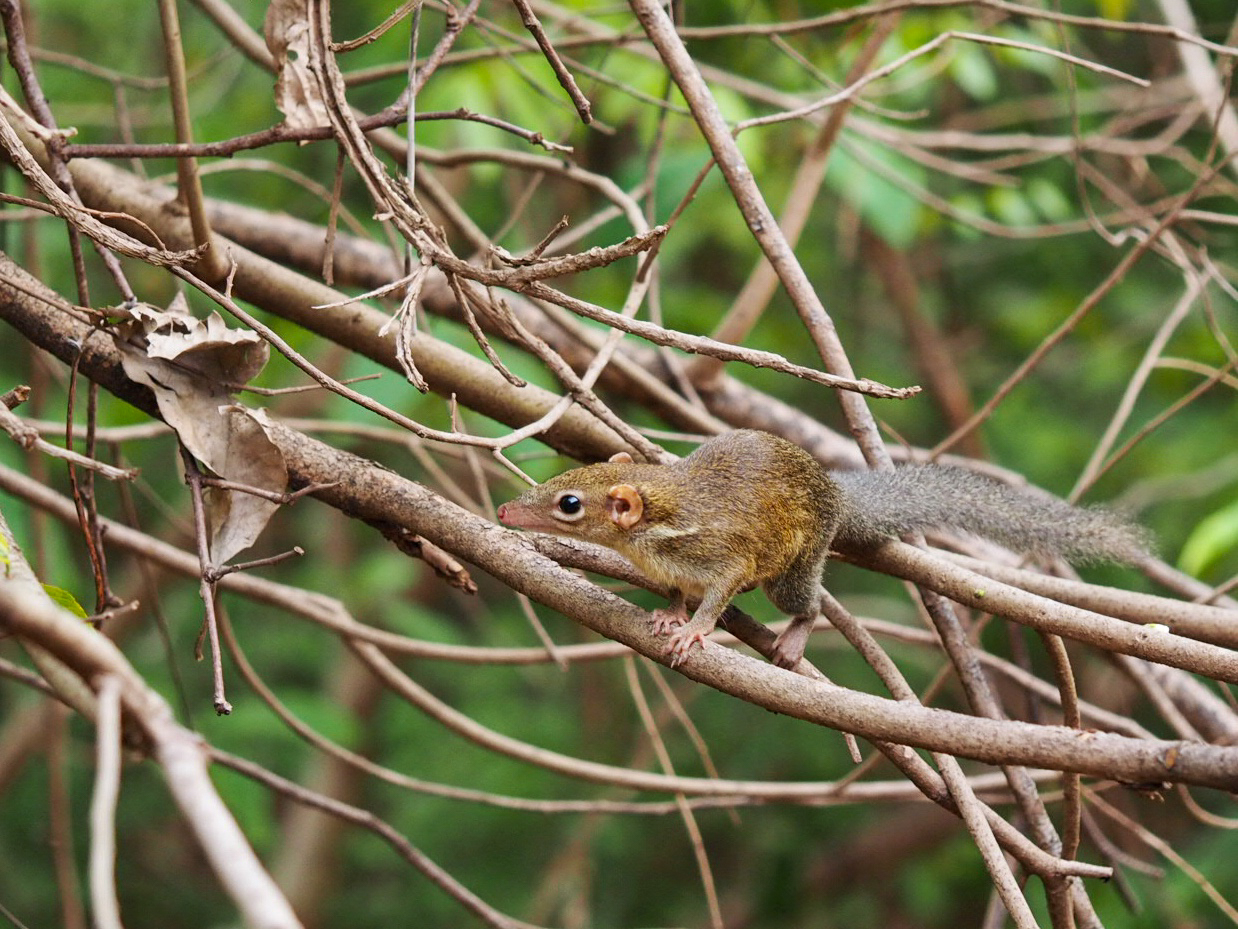
225 million years ago, the first mammals, small and nocturnal, jump, climb, swing, and swim through a world of giants. Some rodent-sized insect-eaters evolve lactation, enabling mothers to spend more …

17) Permian-Triassic mass extinction

17) Permian-Triassic mass extinction

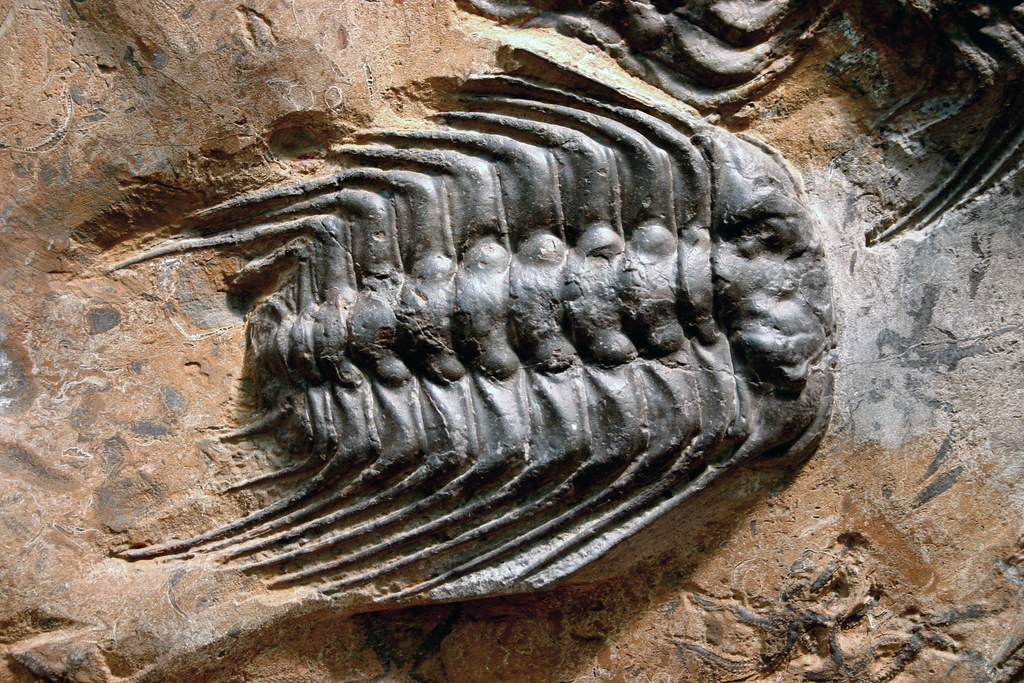
235 million years ago sees the end of the Permian period when the 4th and greatest mass extinction of life on Earth takes place. Trilobites and many other families of species disappear entirely and …
16) Forests evolve

16) Forests evolve

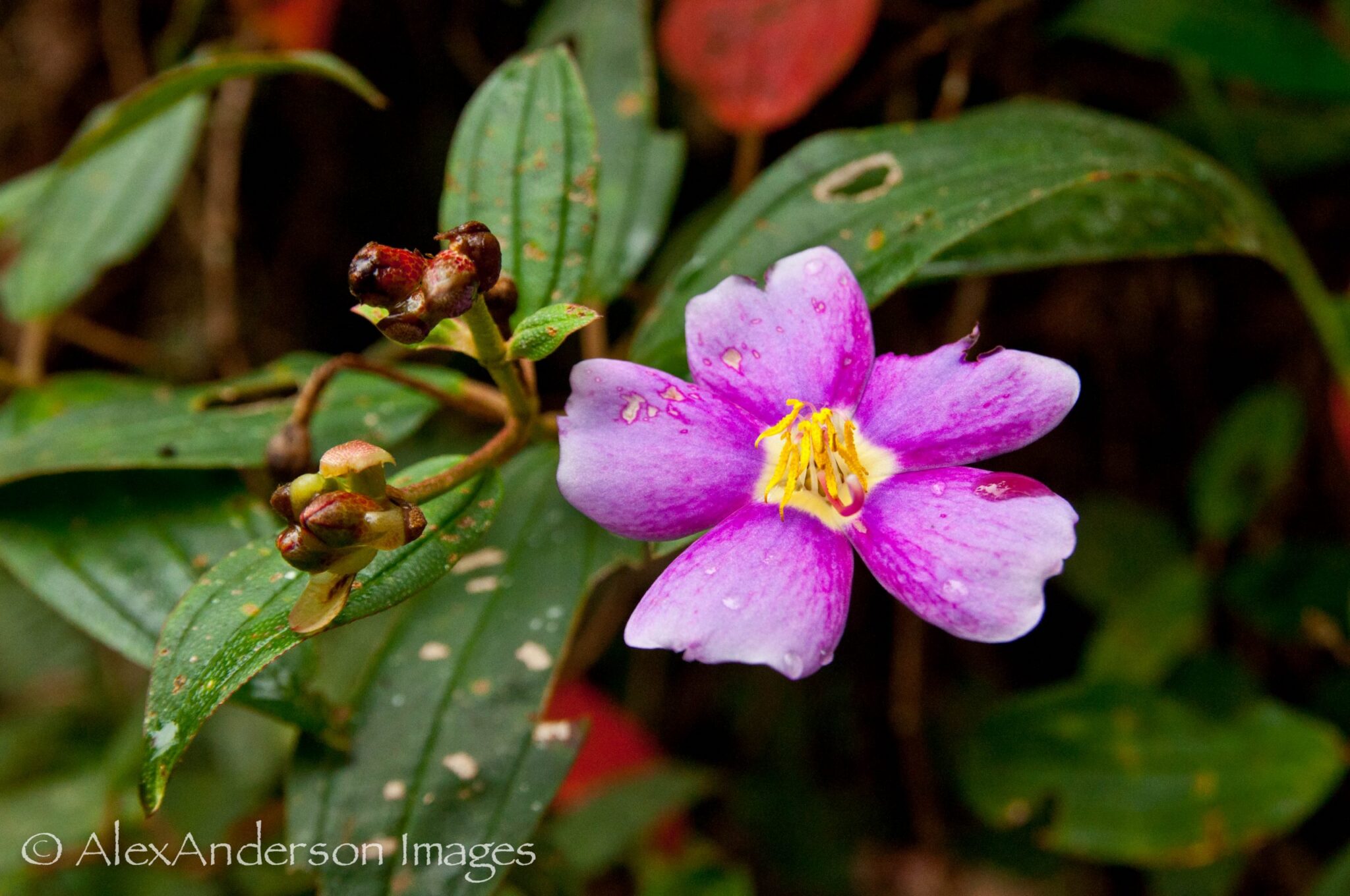
335 Million years ago, the first subtropical forests evolve. Over generations, these forests load themselves with carbon extracted from the atmosphere which later becomes fossilized as coal and oil. …

15) The first amphibians emerge onto land

15) The first amphibians emerge onto land

395 million years ago – The first amphibian animals hop and lumber onto land, trading in their gill slits for air-breathing lungs, transforming fins into stubby legs and continuing to return to the …

14) Colonisation of the land by plants and invertebrates

14) Colonisation of the land by plants and invertebrates

460 million years ago – Leaving the water, animals such as worms and mollusks and crustaceans seek the adventure of weather and gravity. Algae and fungi venture ashore as well. The first plants …

13) Earth sees herself

13) Earth sees herself

600 million years ago, light sensitive eyespots evolve into eyesight, perhaps in an ancestor of the trilobite. The Earth sees herself for the first time. Previously only soft-bodied animals evolve in …

12) The first multicellular life

12) The first multicellular life

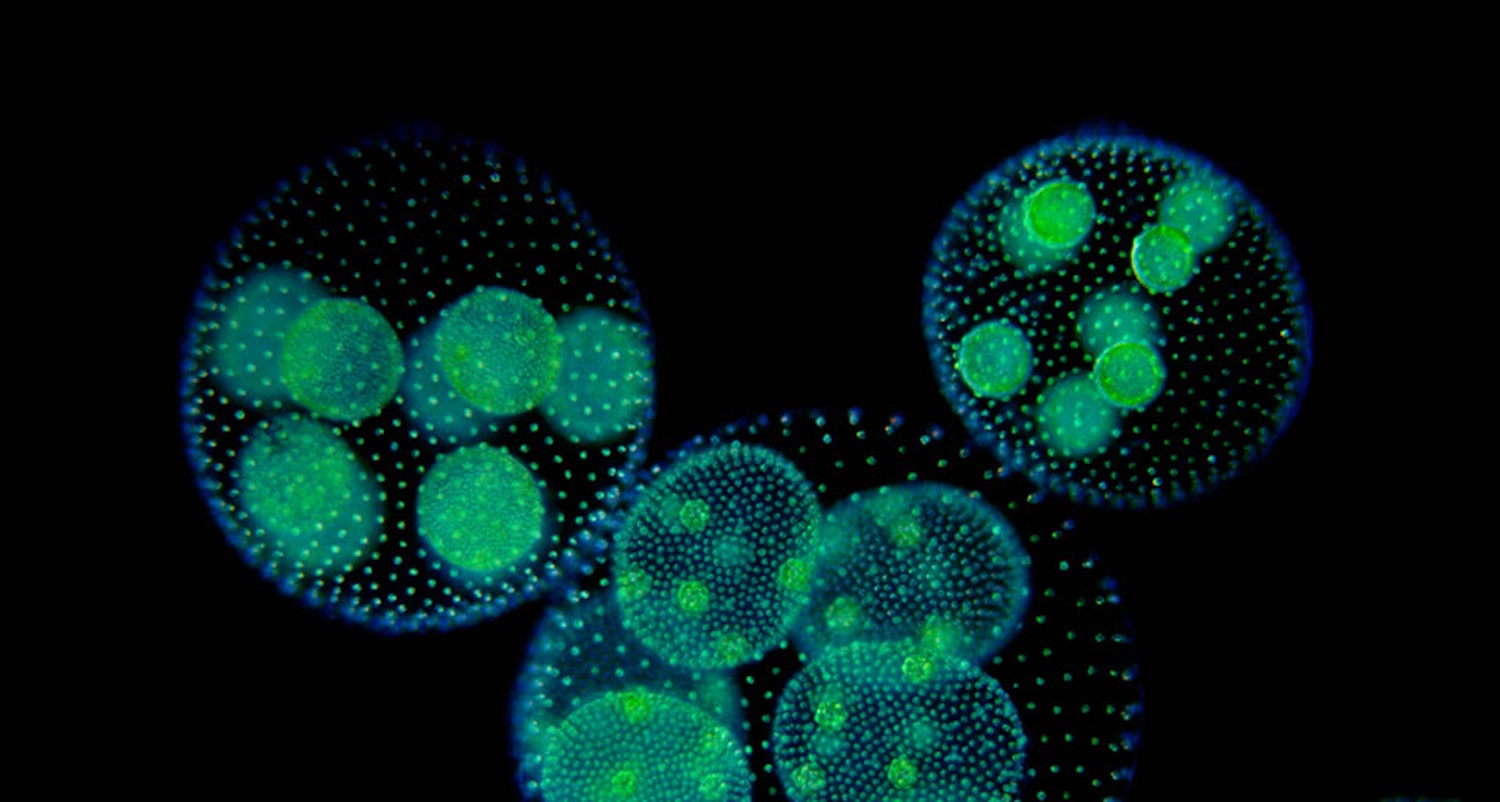
700 million years ago, the first Multicellular Organisms emerge. Some organisms begin living together in colonies, finding ways to communicate with each other using chemical messages. First their had …
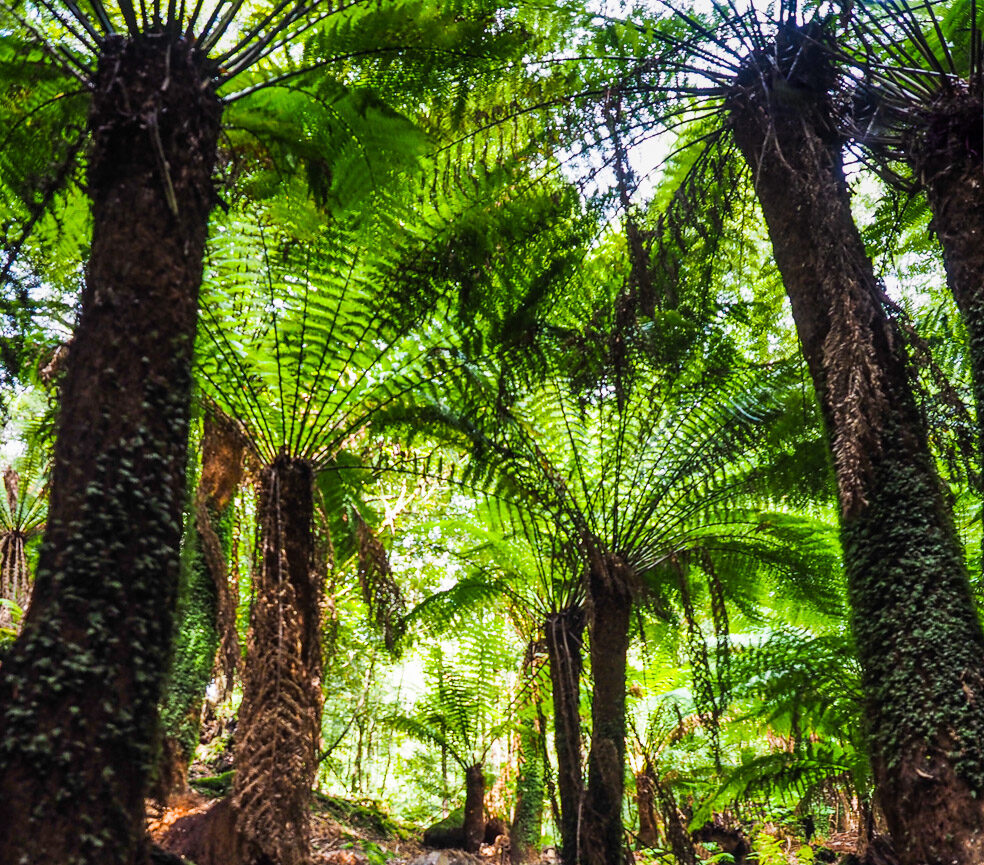
11) Predator-prey co-evolution

11) Predator-prey co-evolution

1 billion years ago, increasingly, predator organisms learn to use the complex biomolecules of their prey organisms, thereby saving themselves the effort of making their own. This quickens the …
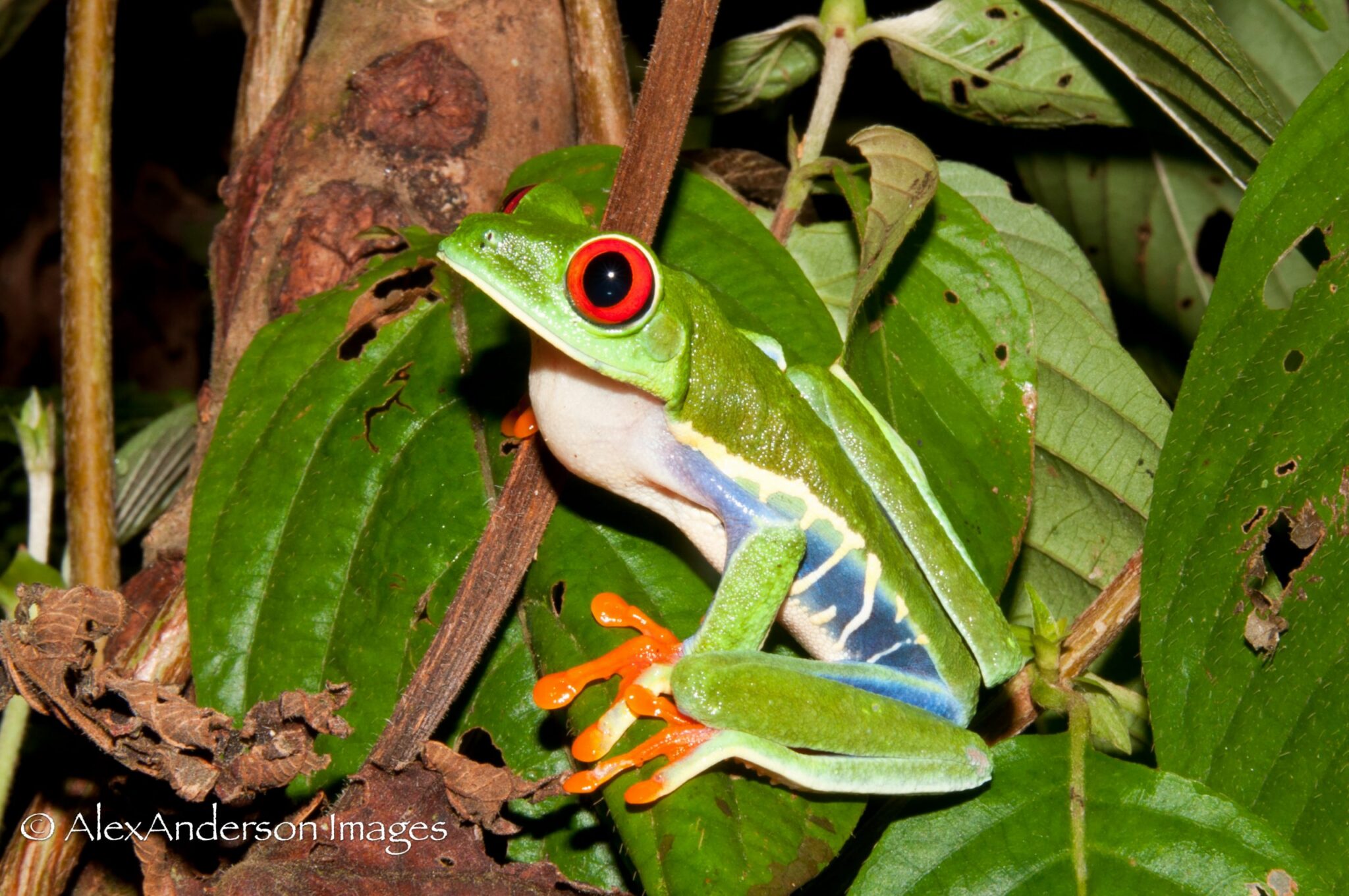
10) Emergence of sexual reproduction

10) Emergence of sexual reproduction

1.5 billion years ago, crisis conditions arise such as food shortages, lack of moisture and extreme temperatures. Hungry ancestral organisms learn to eat each other. Sometimes, these tiny cellular …
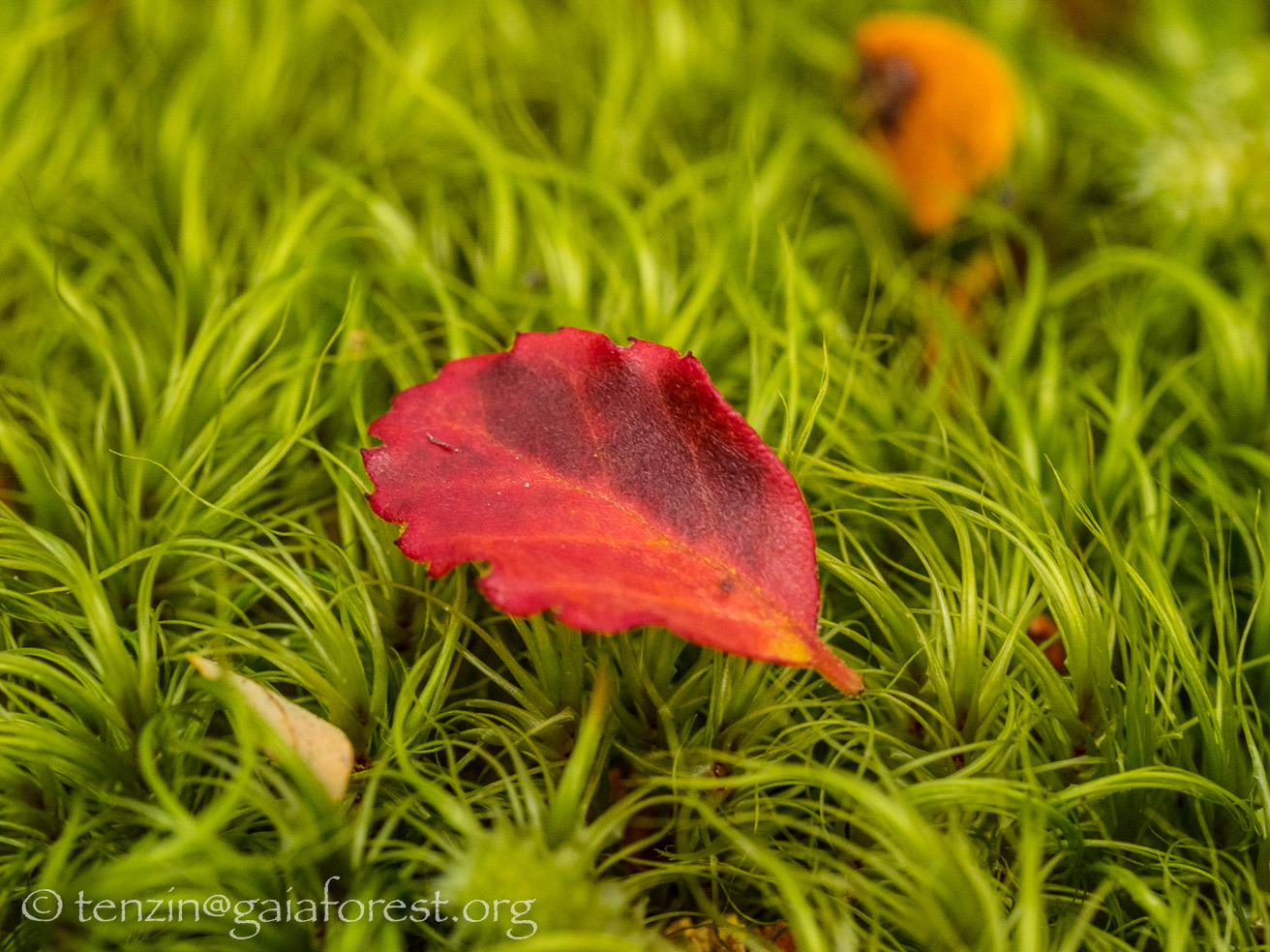
9) Emergence of nucleated cells

9) Emergence of nucleated cells

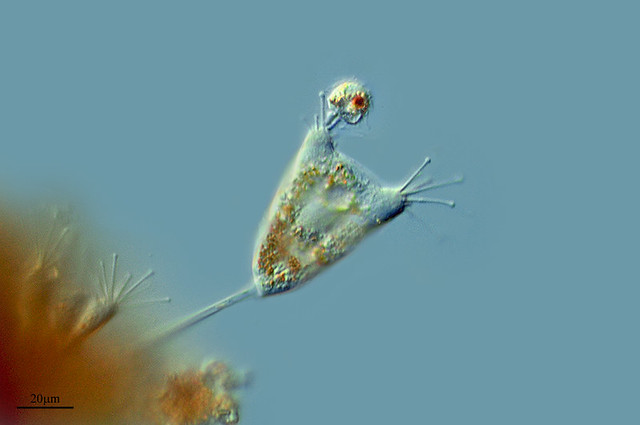
2 billion years ago, despite the enormous drag of its tidal seas the planet is still spinning fast. Each day – one revolution – lasts only about 18 hours. It is at this time that the first nucleated …

8) Development of respiration

8) Development of respiration

2.7 billion years ago, oxygen loving cells emerge! The first global environmental crisis is averted by the creativity of these tiny cellular creatures who invent a use for oxygen as they breathe it …

7) Photosynthesis emerges

7) Photosynthesis emerges

3.9 billion years ago, cells invent Photosynthesis. Small creatures learn to capture the sun and store the energy in chemical bonds. They are able to capture 18 times as much energy from their …

6) The wonder of life

6) The wonder of life

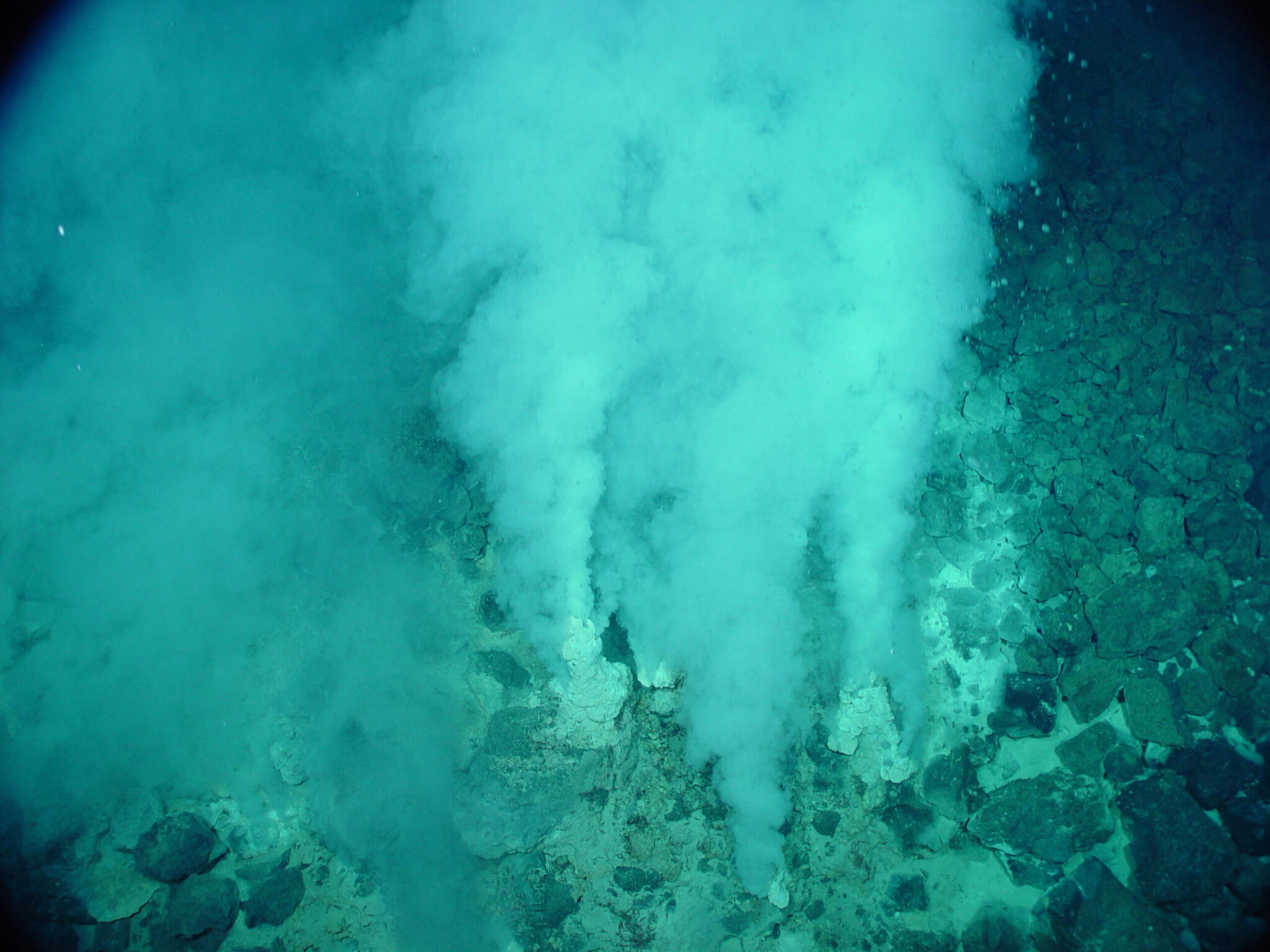
4.28 billion years ago, the rich chemical brew brings forth the wonder of life, as the First Cell emerges. Probably around hydrothermal vents in the seafloor A tiny being which draws sustenance from …

5) The Earth cools

5) The Earth cools

4.4 – 4.1 billion years ago – Exuberant volcanoes expel hotly agitated deep earth to the surface. Over hundreds of millions of years, Earth has grown from dust particles to a large, hot, molten rock. …

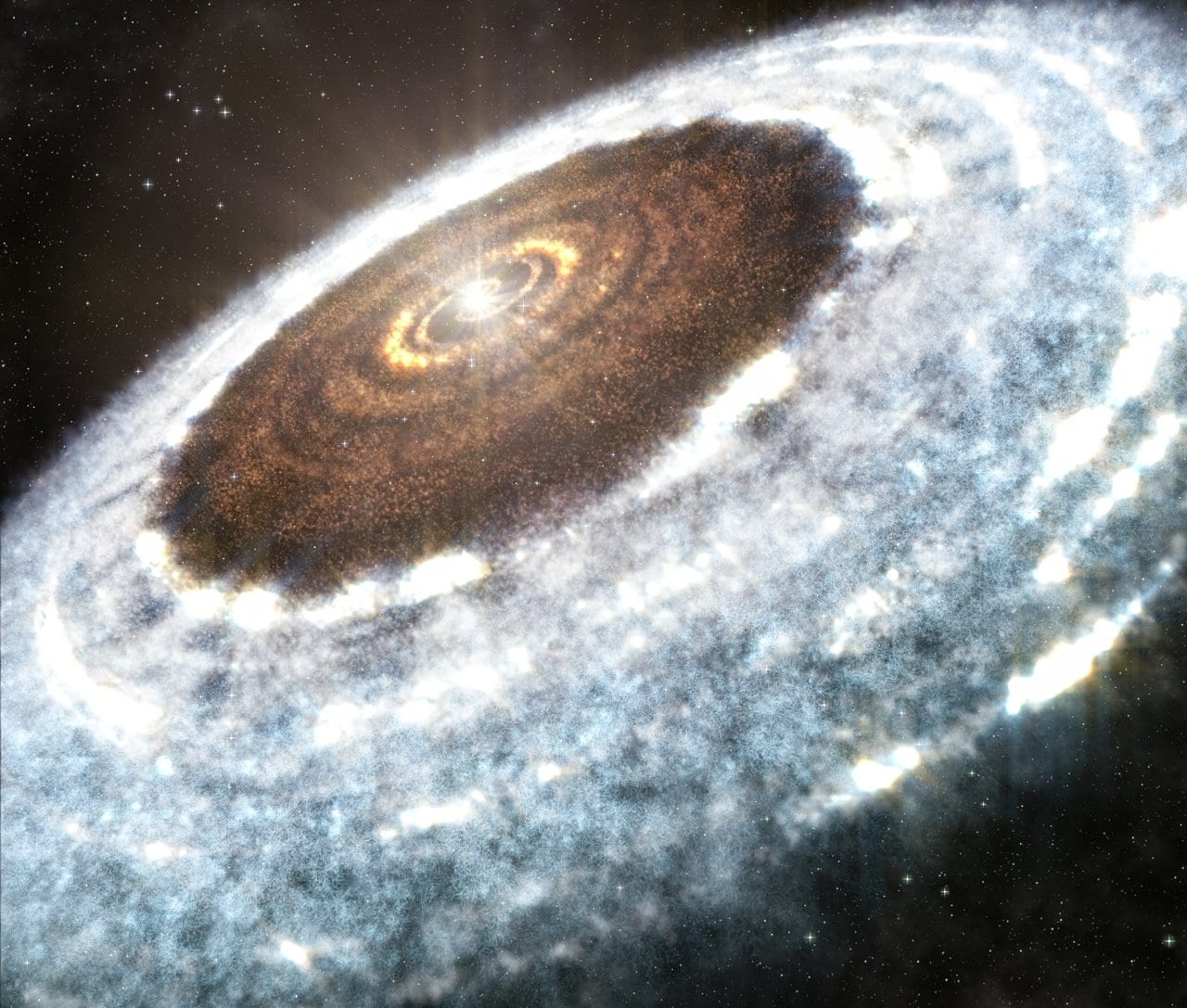
4) Formation of the solar system

4) Formation of the solar system

4.5 billion years ago, our Solar System forms from the remains of the supernova explosion.The sun and a great disk of matter emerge—all the planets and other members of our solar system family. Here …

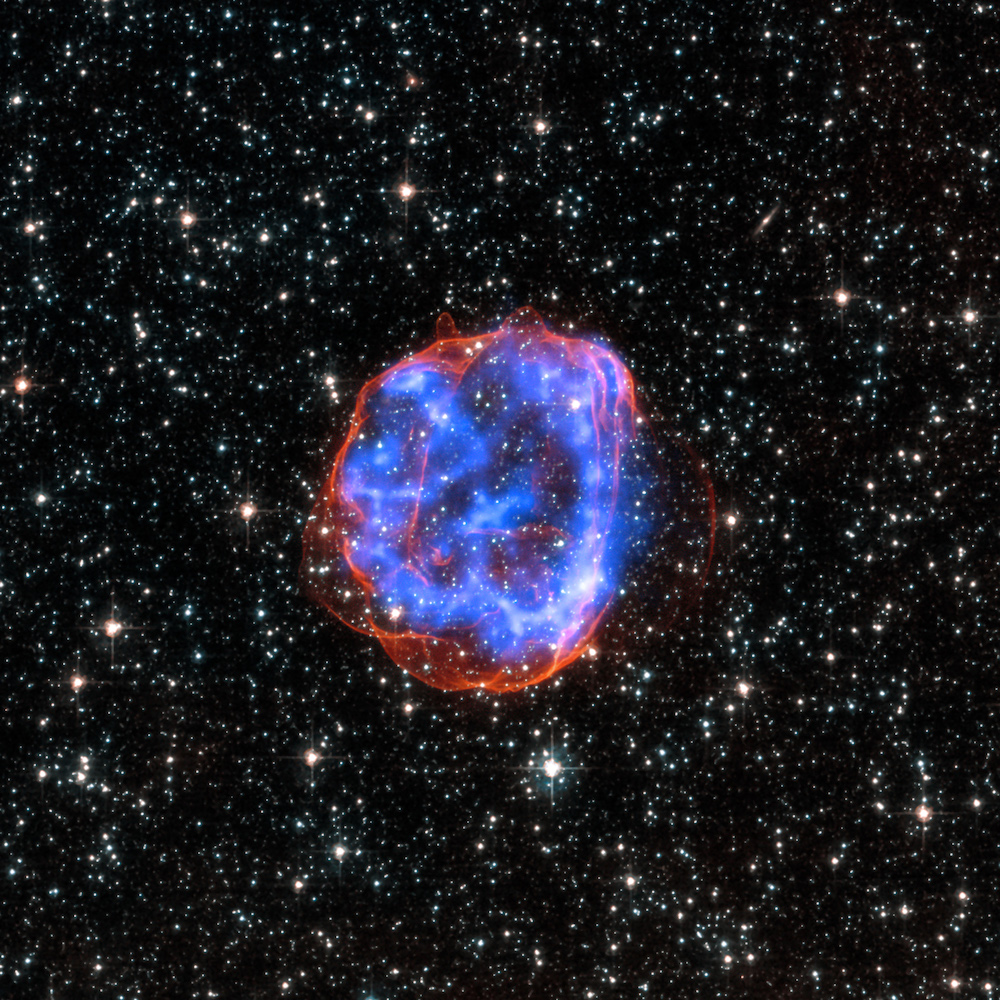
3) Grandmother supernova

3) Grandmother supernova

8 billion years later, 4.6 billion years ago, our Grandmother Star becomes a supernova.She gives up her life in an explosion of possibilities . She becomes a supernova giving rise to our Star, what …

2) Galaxies form

2) Galaxies form

A billion years later, Galaxies, Stars, and Supernovas emerge. For billions of years the universe continues to expand and cool. Hydrogen and helium coalesce into billions of enormous structures: …

1) The Big Bang

1) The Big Bang

Some 13.7 billion years ago, our Universe flashes into existence, lit by the power of the eternal matrix of being. From the quantum foam is born the universe. Time, space, and energy become the gifts …

Essay: Beyond Anthropocentrism – By John Seed

from the book Thinking Like a mountain - Towards a Council of All Beings - Seed et al by John Seed, Joanna Macy, Arne Naess & Pat Fleming, New Society Publishers, Philadelphia, 1988 First …

Satish Kumar – On a "Reverential Ecology"

https://www.youtube.com/watch?v=MlmTLvHMg-g&t=19s